%2Ffit-in%2F250x250%2Fguide_websites%2F119357%2Fimages%2F1771060589629305768235_591808822667736_4251670508769787084_n.jpg&w=1200&q=100)
/users/cd7f057a-4f6e-440b-a115-9f6203d0cdc7/ratecard/1-mllyy455.jpg)
%2F300x300%2Fusers%2Fcd7f057a-4f6e-440b-a115-9f6203d0cdc7%2Fratecard%2F1-mllyy455.jpg&w=256&q=75)
%2F300x300%2Fusers%2Fcd7f057a-4f6e-440b-a115-9f6203d0cdc7%2Fimages%2Fanglers-reel-great-haul-2698.jpg&w=256&q=75)
%2F300x300%2Fusers%2Fcd7f057a-4f6e-440b-a115-9f6203d0cdc7%2Fimages%2Fsheepshead-hudson-fishing-2620.jpg&w=256&q=75)
%2F300x300%2Fusers%2Fcd7f057a-4f6e-440b-a115-9f6203d0cdc7%2Fimages%2Ftwo-sheepshead-hudson-fishing-3111.jpg&w=256&q=75)
%2F300x300%2Fusers%2Fcd7f057a-4f6e-440b-a115-9f6203d0cdc7%2Fimages%2Fsnook-fishing-hudson-2558.jpg&w=256&q=75)
%2F300x300%2Fusers%2Fcd7f057a-4f6e-440b-a115-9f6203d0cdc7%2Fimages%2Fspotted-weakfish-florida-fishing-2613.jpg&w=256&q=75)
%2F300x300%2Fusers%2Fcd7f057a-4f6e-440b-a115-9f6203d0cdc7%2Fimages%2Ffishing-hudson-river-2655.jpg&w=256&q=75)
%2F300x300%2Fusers%2Fcd7f057a-4f6e-440b-a115-9f6203d0cdc7%2Fimages%2Ffishing-hudson-waterfront-2736.jpg&w=256&q=75)
%2F300x300%2Fusers%2Fcd7f057a-4f6e-440b-a115-9f6203d0cdc7%2Fimages%2Fspotted-weakfish-hudson-fishing-2855.jpg&w=256&q=75)
%2F300x300%2Fusers%2Fcd7f057a-4f6e-440b-a115-9f6203d0cdc7%2Fimages%2Fgag-grouper-fishing-hudson-2677.jpg&w=256&q=75)
%2F300x300%2Fusers%2Fcd7f057a-4f6e-440b-a115-9f6203d0cdc7%2Fimages%2Fredfish-caught-hudson-2649.jpg&w=256&q=75)
St Petersburg Inshore Fishing Charter 4 Hours
 Hudson FL
What you will be catching:
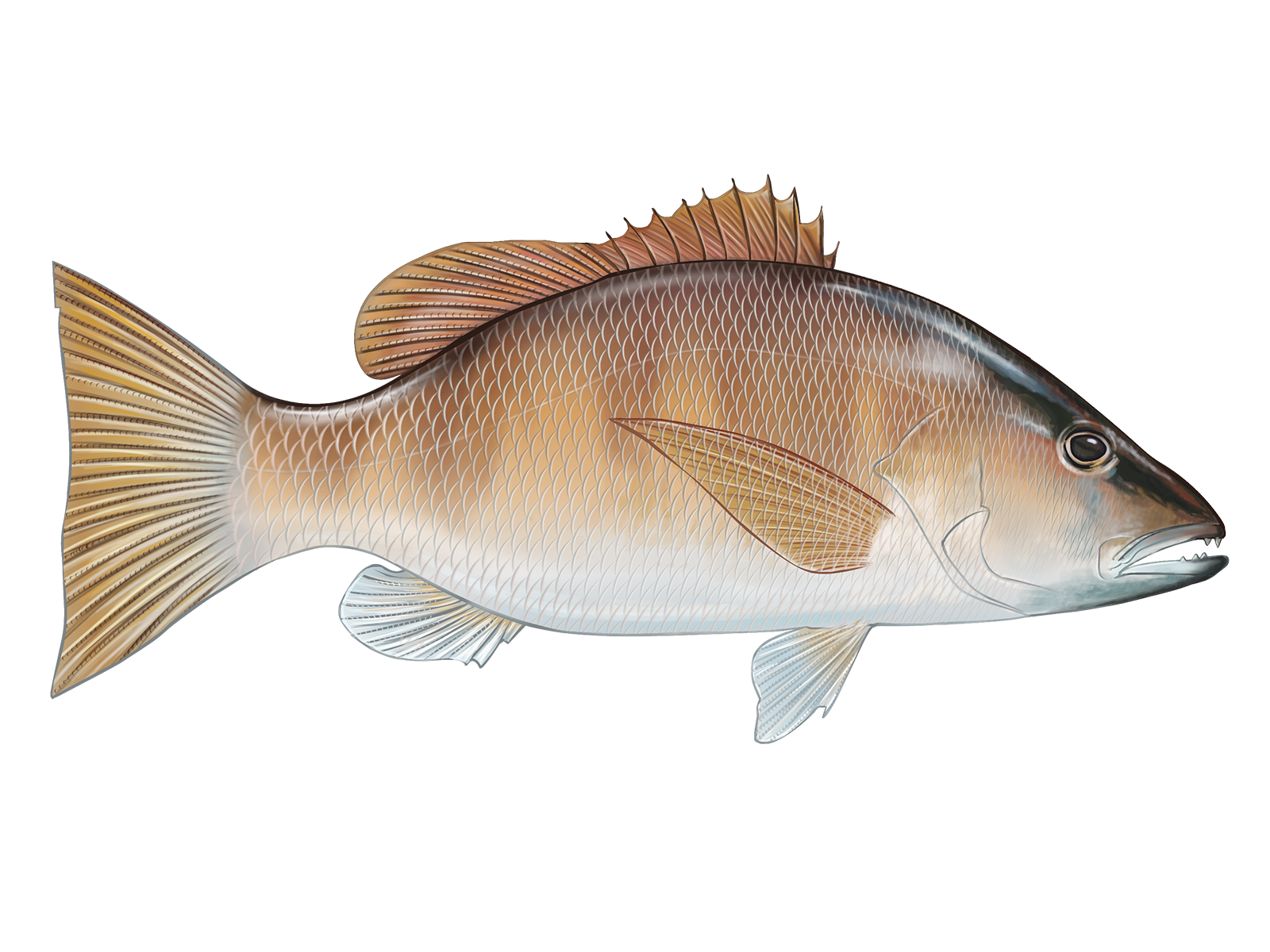 Grey Snapper
 Redfish
 Snook
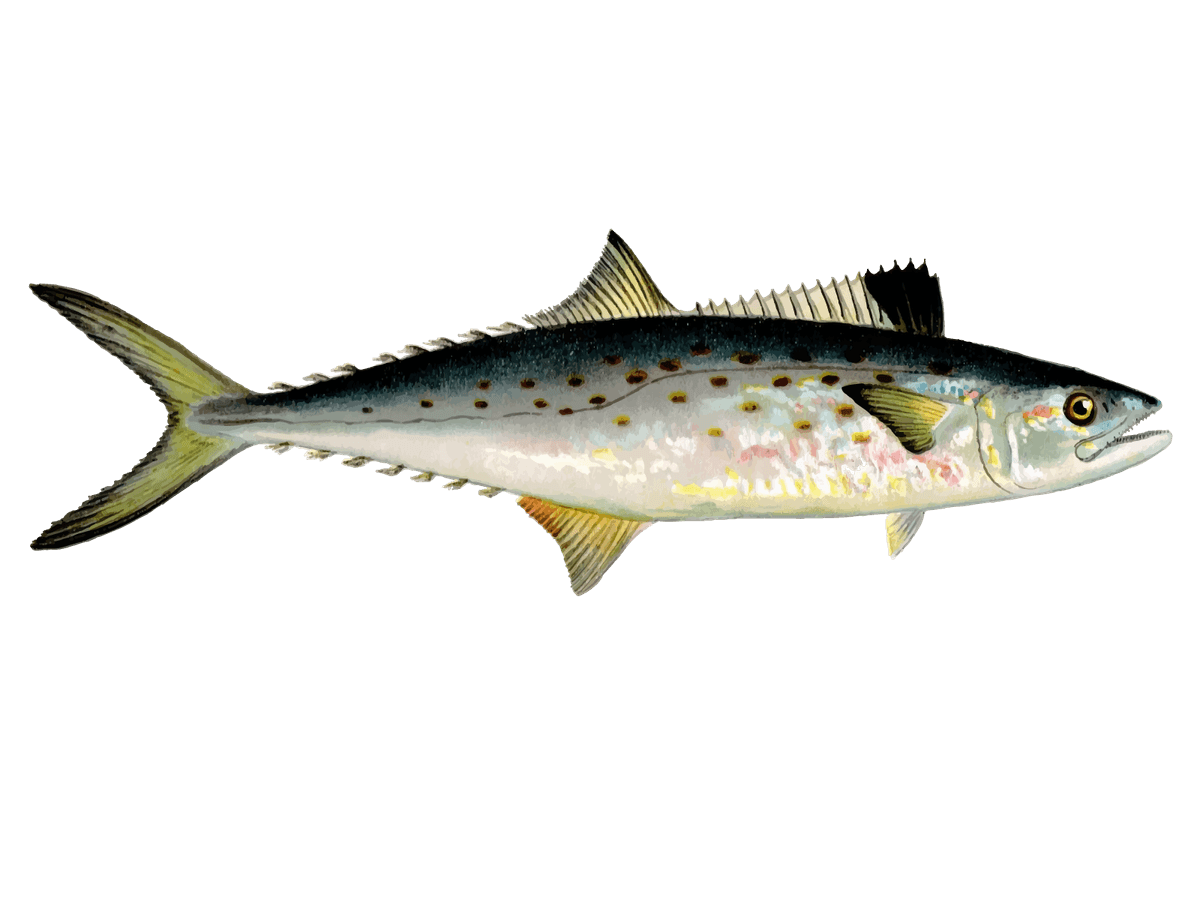
Snook Spanish Mackerel
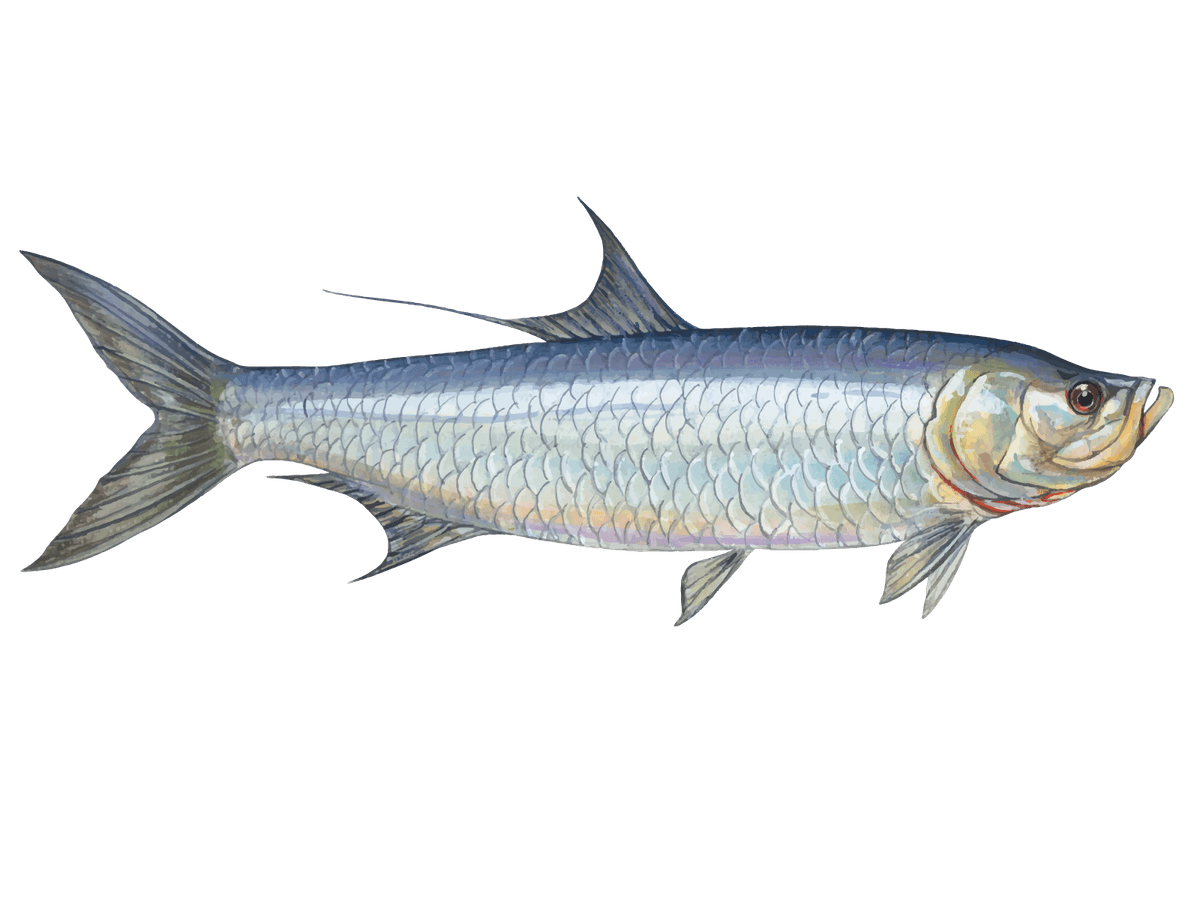
 Tarpon
- 4-hour inshore charter targeting snook, redfish, tarpon, and mackerel from Fort DeSoto
- All equipment, bait, and licenses provided with light tackle fishing techniques included
- Accommodates up to 4 guests in calm waters during April through August season
Trip Pricing and Availabilities:
Trip pricing information is temporarily unavailable.
St Petersburg 4 Hour Inshore Fishing Charter
Looking for a solid half-day fishing trip that won't break the bank? This St Petersburg inshore charter hits all the right spots. Running out of Fort DeSoto Boat Ramp, you and up to three friends can split a flat rate of $700 for four hours of quality fishing time. The captain knows these waters like the back of his hand, and he's got everything you need - rods, reels, bait, tackle, even your fishing license. All you bring is sunscreen, snacks, and maybe a cooler for drinks. This is hands-on fishing at its finest, where you'll actually learn something while having a blast on Tampa Bay's most productive inshore waters.
What to Expect on the Water
Fort DeSoto gives you access to some of the most consistent inshore fishing on Florida's west coast. We're talking grass flats, mangrove shorelines, oyster bars, and deep channels where fish stack up year-round. The trip runs from mid-April through August, perfectly timed for when the water warms up and everything starts feeding heavy. You'll cover different spots depending on tides, wind, and what's biting that day. The beauty of inshore fishing here is the variety - one minute you're sight casting to tailing redfish in two feet of water, the next you're working a deep channel for snapper. The boat stays in protected waters, so even if it's a little breezy outside, you're fishing comfortably. Perfect setup for families with kids or anyone who gets a little seasick on the big boats.
Techniques & Tackle Breakdown
This isn't a sit-and-wait kind of trip. You'll rotate through light tackle bottom fishing, trolling, spinning gear, and even some fly fishing if you're up for it. Bottom fishing means dropping live or cut bait near structure where snapper and other bottom dwellers hang out. Trolling covers water fast, perfect for finding active schools of mackerel or following baitfish movements. The spinning tackle gets a workout when you're casting to visible fish or working specific targets like downed trees and dock pilings. If you've never tried fly fishing in saltwater, the captain can set you up with a simple setup - it's addictive once you hook your first snook on the fly. All the gear is quality stuff, properly maintained and matched to the fishing you're doing. The captain runs everything from light spinning rods for smaller fish to medium-heavy setups when the tarpon show up.
Species You'll Want to Hook
Spanish Mackerel are the perfect starter fish for this trip. These silver bullets show up in schools and hit fast-moving baits like nobody's business. They're not huge - typically 12 to 16 inches - but they fight hard for their size and make excellent table fare. Peak season runs May through July when they're thick around the bridges and flats edges. Kids love them because they bite aggressively and don't require perfect technique to catch.
Snook are the holy grail of inshore fishing around here. These ambush predators love hanging around mangroves, dock lights, and anywhere baitfish get pushed by current. They're incredibly smart, incredibly strong, and incredibly addictive to target. A good slot-sized snook runs 28 to 32 inches and will test every knot in your tackle box. They're catch and release only during certain times of the year, but honestly, the fight is the reward anyway. Best action happens early morning or late afternoon when they're actively feeding in shallow water.
Grey Snapper might not win beauty contests, but they're scrappy fighters that taste fantastic. These guys hang around any kind of structure - rocks, reefs, bridges, even just shell bottom in deeper water. They're smart and can be picky eaters, which makes catching them satisfying. Most run 12 to 16 inches, perfect pan-frying size. They bite year-round but really turn on during summer months when water temperatures peak.
Tarpon are the fish that make grown men cry - tears of joy and tears of frustration. These silver kings can range from 20-pound babies to 100-pound giants, and they all jump like their life depends on it. Tampa Bay is famous for its tarpon fishing, and even a smaller fish will give you a fight you'll never forget. They're catch and release only, but one tarpon fight is worth ten of anything else. Best chances come during the cooler parts of the day when they're rolling and feeding near the surface.
Redfish are the workhorses of inshore fishing. These copper-colored bruisers cruise shallow flats looking for crabs and small fish. Slot-sized reds run 18 to 27 inches and pull like freight trains. They're not the smartest fish in the bay, but they make up for it with pure determination. You'll find them year-round, but spring and fall fishing is absolutely phenomenal when they school up in massive groups. Perfect species for beginners because they bite well and don't require surgical precision to hook up.
Time to Book Your Spot
This trip delivers exactly what it promises - a solid half-day of fishing with a captain who knows his stuff. The flat rate pricing makes it easy to budget, and having everything included means no hidden costs or forgotten gear. Fort DeSoto puts you right in the heart of some of Florida's most productive inshore waters, and the April through August season timing catches everything at its peak. Whether you're introducing kids to fishing, planning a guys' trip, or just want to get out and bend some rods, this charter hits the sweet spot. Fair warning though - deposits are non-refundable, so make sure your dates work before you commit. Ready to get out there and see what's biting?
Learn more about the species
Grey Snapper
Also called mangrove snapper, these crafty fish are some of the smartest we target. They typically run 12-16 inches inshore, with that classic grey-red coloration and sharp eyes that seem to study your bait before committing. You'll find them around any kind of structure - docks, oyster bars, rock piles, and mangrove edges in 4-15 feet of water. They're most active during our season when water temps are consistent, especially around moving water. What makes them special is the challenge - they're cautious biters that test your patience, but the reward is some of the best eating fish in these waters. The meat is white, flaky, and perfect for any recipe. My advice: once your bait hits bottom, lift it just a foot or two off the structure and wait - rushing the bite usually spooks them.
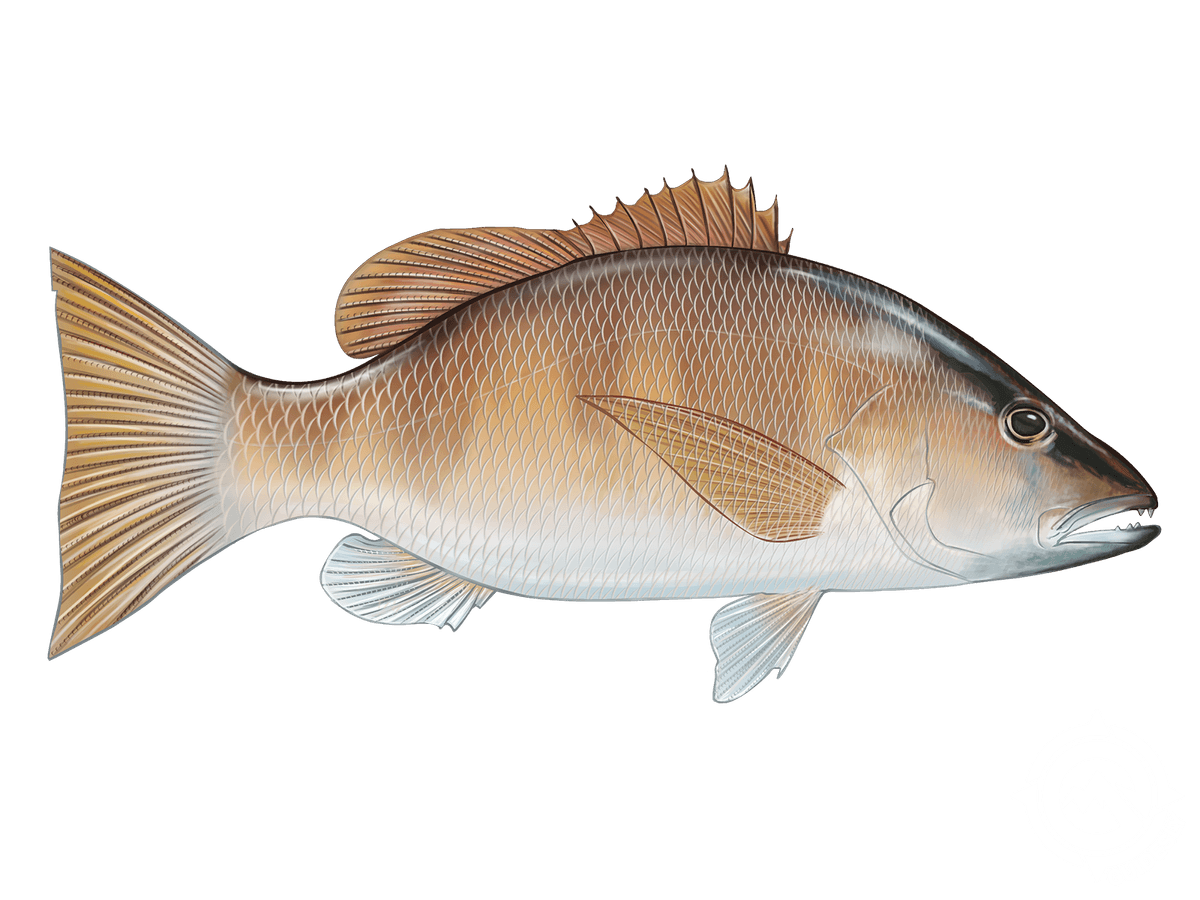
Redfish
Redfish are the bread and butter of our inshore trips, and they're built for shallow water battles. Most fish we catch run 18-27 inches with that distinctive copper color and black spot near the tail. They cruise grass flats, oyster bars, and mangrove shorelines in 1-4 feet of water - sometimes so shallow their backs stick out. During our season, they feed actively in the mornings and evenings, especially on moving tides. What people love is their strong, steady fight and excellent table fare - the meat is firm and mildly sweet. They're not picky eaters and will hit live shrimp, cut bait, or artificial lures. The real fun comes when you spot them tailing in shallow water. Local secret: look for nervous water or slight surface disturbances on calm days - that's usually redfish feeding just under the surface.
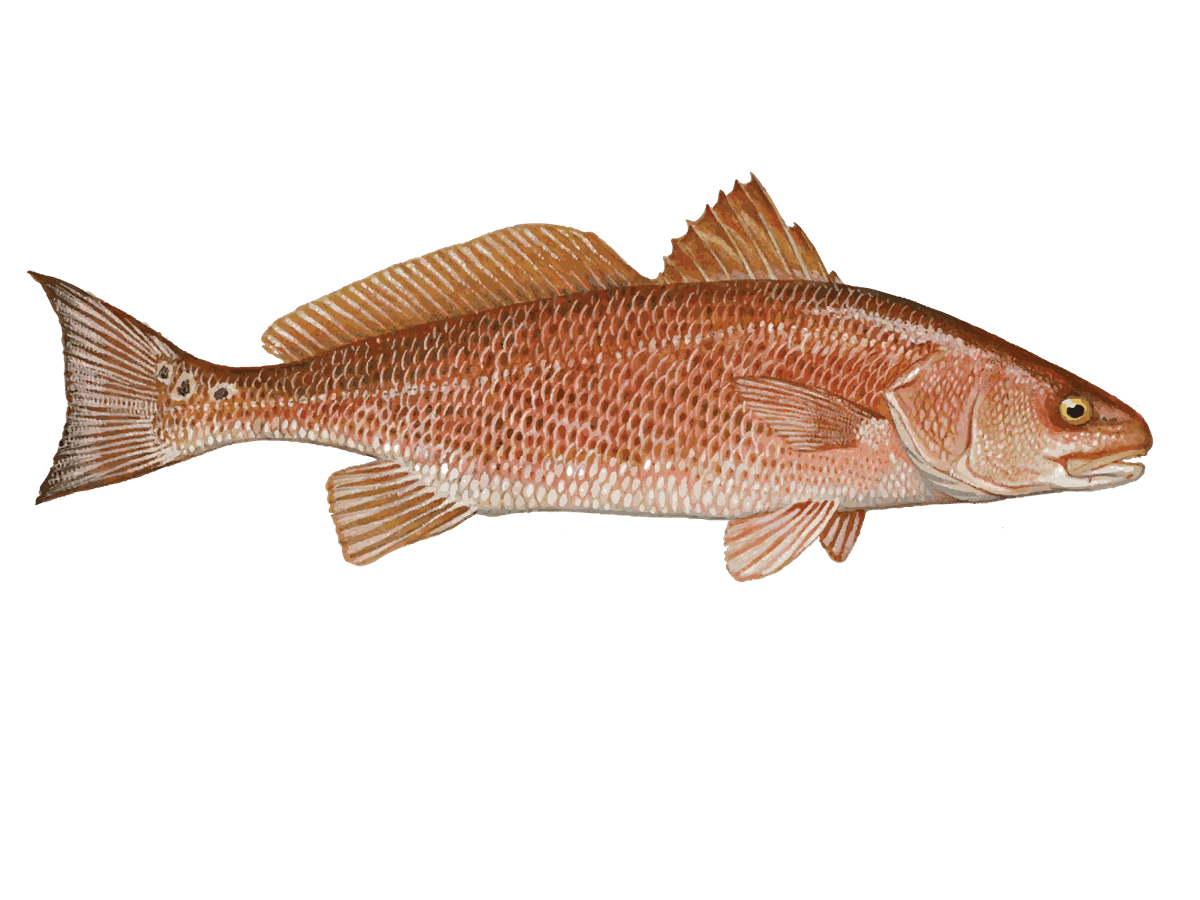
Snook
Snook are the crown jewel of inshore fishing here, and for good reason. These ambush predators hang around mangroves, docks, and oyster bars in 2-8 feet of water, using their wide tails for lightning-fast strikes. Most of what we catch runs 20-28 inches, but they can get much bigger. They're incredibly structure-oriented and love current breaks where they can wait for bait to come by. The fight is what hooks people - they'll make strong runs and try to wrap you around anything nearby. During our season, they're most active around dawn and dusk when the water temps are in the upper 70s to low 80s. Here's a local trick: when fishing around docks, cast your bait upcurrent and let it drift naturally past the pilings - that's when they usually hit.
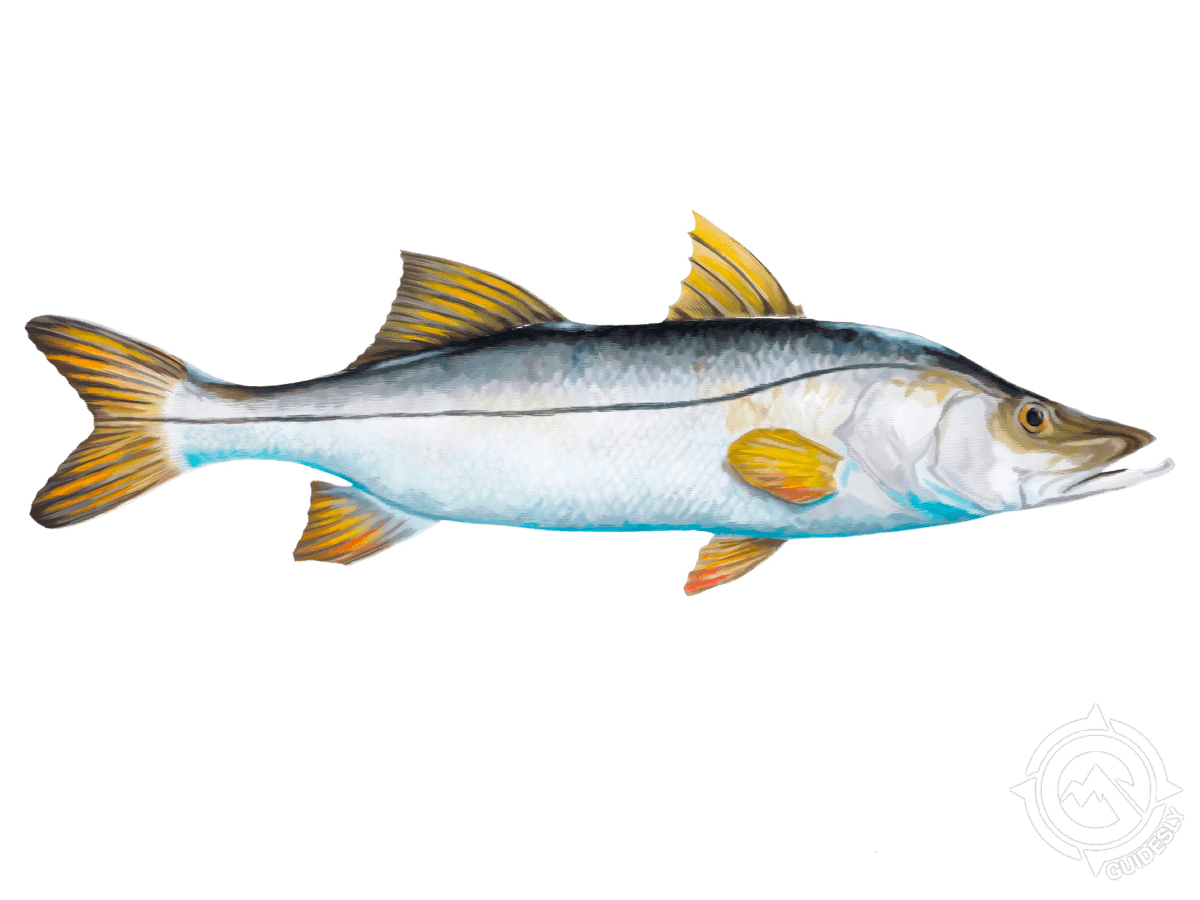
Spanish Mackerel
These silver speedsters are one of our most reliable catches during the warmer months. Spanish mackerel typically run 1-3 pounds and love to school up near the surface, making them perfect for light tackle action. You'll find them around structure and grass flats, especially when the water temps hit the 70s. They're incredibly fast swimmers - some of the quickest fish in these waters - and they'll give you a solid fight on spinning gear. What really gets people excited is how good they taste; the meat is mild, flaky, and perfect for grilling. During our season, they're most active in the mornings and late afternoons. Pro tip: when you see birds working the surface, there's usually a school of Spanish mackerel underneath feeding on baitfish.
Tarpon
The silver king is what fishing dreams are made of. These prehistoric giants can reach 4-6 feet and 80-150 pounds in our area, though we see everything from 20-pound juveniles to real monsters. They roll and feed in the shallow flats, channels, and around bridge structures during our season, particularly when water temps climb into the low 80s. What sets tarpon apart is their aerial show - they'll jump multiple times, sometimes completely clearing the water. Most folks don't keep them since the meat isn't great, but the fight and the photos make it worthwhile. They prefer live bait like pinfish or crabs, and the bite often happens during moving water around dawn or dusk. Key tip: when one jumps, bow to the fish by lowering your rod tip - it prevents the hook from pulling out during those wild aerial displays.
About the Sports Coast Inshore Charters
%2F%2Fusers%2Fcd7f057a-4f6e-440b-a115-9f6203d0cdc7%2Fvehicle_picture%2F67891147_108805460463655_970830907189493760_n-mllxwxp2.jpg&w=1200&q=75)
Vehicle Guest Capacity: 4
Manufacturer Name: Yamaha
Maximum Cruising Speed: 45
Number of Engines: 1
Horsepower per Engine: 250