%2Ffit-in%2F250x250%2Fguide_websites%2F119357%2Fimages%2F1771060589629305768235_591808822667736_4251670508769787084_n.jpg&w=1200&q=100)
/users/cd7f057a-4f6e-440b-a115-9f6203d0cdc7/ratecard/22-mlm2cfbr.jpg)
%2F300x300%2Fusers%2Fcd7f057a-4f6e-440b-a115-9f6203d0cdc7%2Fratecard%2F22-mlm2cfbr.jpg&w=256&q=75)
%2F300x300%2Fusers%2Fcd7f057a-4f6e-440b-a115-9f6203d0cdc7%2Fimages%2Fanglers-reel-great-haul-2698.jpg&w=256&q=75)
%2F300x300%2Fusers%2Fcd7f057a-4f6e-440b-a115-9f6203d0cdc7%2Fimages%2Fsheepshead-hudson-fishing-2620.jpg&w=256&q=75)
%2F300x300%2Fusers%2Fcd7f057a-4f6e-440b-a115-9f6203d0cdc7%2Fimages%2Ftwo-sheepshead-hudson-fishing-3111.jpg&w=256&q=75)
%2F300x300%2Fusers%2Fcd7f057a-4f6e-440b-a115-9f6203d0cdc7%2Fimages%2Fsnook-fishing-hudson-2558.jpg&w=256&q=75)
%2F300x300%2Fusers%2Fcd7f057a-4f6e-440b-a115-9f6203d0cdc7%2Fimages%2Fspotted-weakfish-florida-fishing-2613.jpg&w=256&q=75)
%2F300x300%2Fusers%2Fcd7f057a-4f6e-440b-a115-9f6203d0cdc7%2Fimages%2Ffishing-hudson-river-2655.jpg&w=256&q=75)
%2F300x300%2Fusers%2Fcd7f057a-4f6e-440b-a115-9f6203d0cdc7%2Fimages%2Ffishing-hudson-waterfront-2736.jpg&w=256&q=75)
%2F300x300%2Fusers%2Fcd7f057a-4f6e-440b-a115-9f6203d0cdc7%2Fimages%2Fspotted-weakfish-hudson-fishing-2855.jpg&w=256&q=75)
%2F300x300%2Fusers%2Fcd7f057a-4f6e-440b-a115-9f6203d0cdc7%2Fimages%2Fgag-grouper-fishing-hudson-2677.jpg&w=256&q=75)
%2F300x300%2Fusers%2Fcd7f057a-4f6e-440b-a115-9f6203d0cdc7%2Fimages%2Fredfish-caught-hudson-2649.jpg&w=256&q=75)
Hudson FL Fishing Charter Sports Coast 4 Hours
 Hudson FL
What you will be catching:
 Cobia
Cobia Crevalle Jack
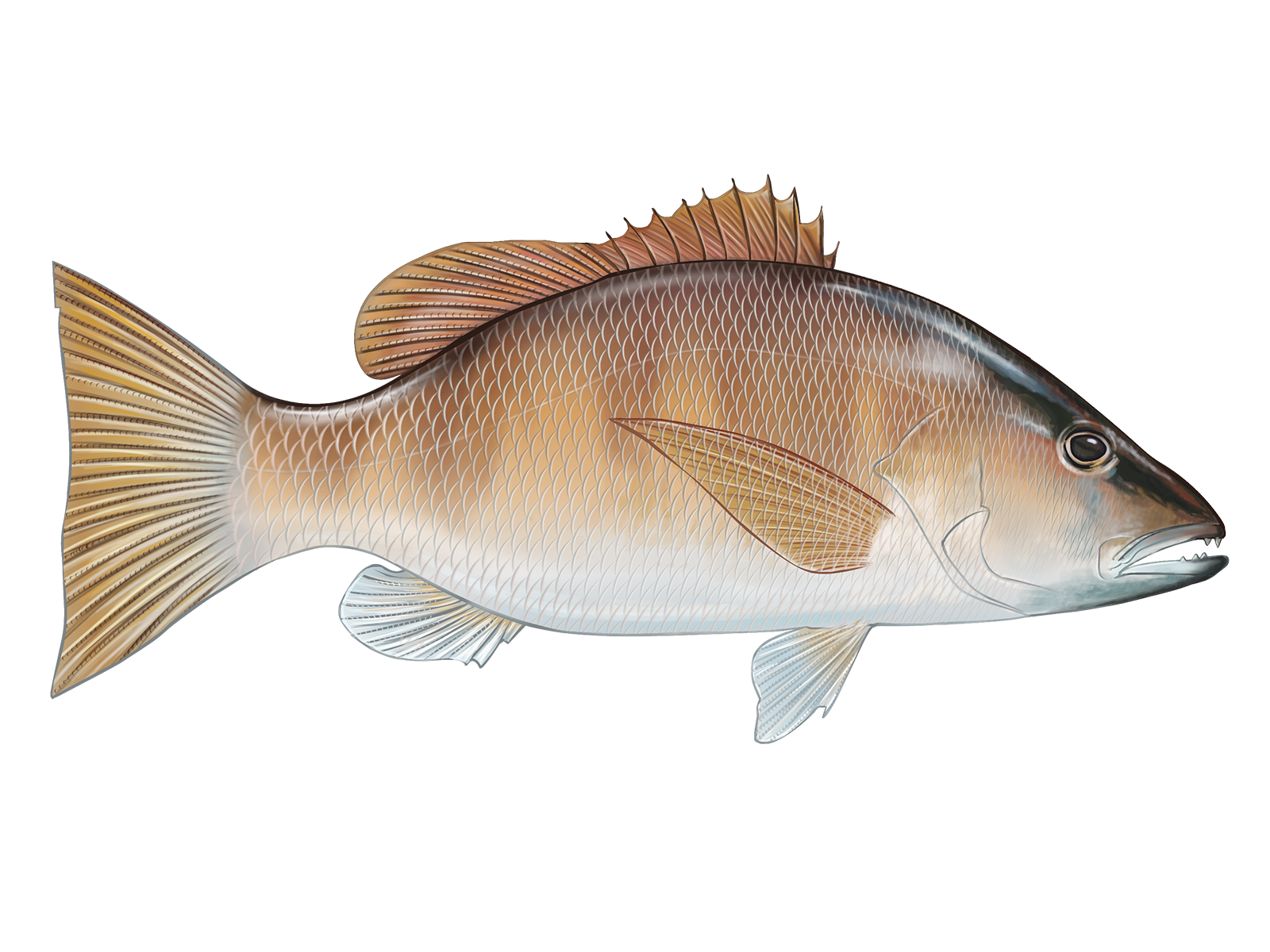 Grey Snapper
 Snook
Snook Tarpon
- Four-hour afternoon charter targeting snook, redfish, tarpon, and cobia
- All fishing gear, bait, and licenses included with experienced captain
- Accommodates up to two anglers with flexible techniques and timing
Trip Pricing and Availabilities:
Trip pricing information is temporarily unavailable.
Hudson FL 4 Hour Afternoon Inshore Charter
Picture this: it's 3PM, the afternoon bite is just starting to heat up, and you're heading out into Hudson's productive inshore waters for a relaxed four-hour fishing adventure. This private charter is built for up to two anglers who want to skip the early morning rush and still get into some serious fish. At five hundred dollars, you're getting a top-rated captain who knows exactly where the fish are holding during those prime afternoon hours when the bait starts moving and the predators come alive.
What to Expect on the Water
This isn't your typical rush-and-go fishing trip. Starting at 3PM gives you the perfect setup for afternoon tides and active feeding periods that many anglers miss. You'll be targeting an impressive mix of inshore species including Cobia, Jacks, Snook, Tarpon, Snapper, Redfish, Spanish Mackerel, Spotted Seatrout, Pompano, Flounder, Sheepshead, and Grunt. The beauty of Hudson's inshore waters is the variety - you never know what's going to hit your line next. Your captain adjusts the game plan based on real-time conditions, bait movement, and where the fish are most active that particular afternoon. It's fishing the smart way, not the hard way.
Techniques & Tackle Setup
You'll be fishing with light tackle that's perfectly matched to inshore conditions - think finesse over brute force. The captain switches between bottom fishing when targeting Snapper and Grouper around structure, trolling for pelagic species like Cobia and Jacks, and both fly and spinning techniques depending on what the fish want. All rods, reels, tackle, bait, and fishing licenses are included, so you can show up ready to fish without any extra prep work. The afternoon timing is key here - as the sun starts to angle lower, baitfish become more active, and that triggers feeding responses from just about every predator species in these waters. Your captain reads the water, watches for bird activity, and positions you where the action is happening.
Species You'll Want to Hook
Snook are the crown jewel of Hudson's inshore scene, and for good reason. These ambush predators love hanging around mangrove shorelines, docks, and structure during afternoon tides. They're incredibly strong fighters with that distinctive black lateral line, and they'll test your drag system when they make their signature runs toward cover. Best part? Hudson's Snook population is healthy and active, especially during warmer months when they're feeding aggressively in shallow water.
Grey Snapper, or Mangrove Snapper as locals call them, are some of the smartest fish you'll encounter. They're notorious for being line-shy and bait-picky, which makes landing one even more satisfying. These guys average 12-16 inches around Hudson's inshore waters and provide excellent table fare. They're year-round residents that hang around structure, and afternoon trips often produce steady action once you find their holding spots.
Tarpon are pure adrenaline on a fishing line. Even the juvenile Tarpon common in Hudson's inshore waters will jump, roll, and put on an aerial show that'll get your heart pumping. These silver kings can range from 20 pounds up to triple digits, and they're incredibly acrobatic fighters. Summer months bring the best Tarpon action, and there's nothing quite like watching one of these prehistoric fish launch itself completely out of the water.
Crevalle Jack are the bulldogs of the inshore waters - they fight way above their weight class and never give up. These aggressive predators travel in schools and when you find them, the action can be non-stop. They'll hit just about any moving bait or lure, and their powerful runs will remind you why light tackle inshore fishing is so addictive. Hudson's grass flats and deeper channels hold good populations of Jacks year-round.
Cobia are the bonus fish that can make any trip memorable. These curious, shark-like fish often approach the boat and will follow baits or lures right to the surface. They're excellent fighters and top-notch table fare. Spring and summer bring the best Cobia opportunities around Hudson, and they're often found cruising shallow flats or following rays and other bottom-disturbance that kicks up food.
Time to Book Your Spot
This afternoon charter hits the sweet spot for anglers who want productive fishing without the pre-dawn wake-up call. You're getting a private boat, experienced local captain, all gear and licenses included, and access to some of Florida's best inshore fishing grounds. The relaxed pace and flexible approach means you'll actually enjoy the experience instead of feeling rushed. Hudson's inshore waters consistently produce fish, and the afternoon bite is often just as good as the morning rush - sometimes better when conditions are right. Don't sleep on this one - afternoon slots fill up fast once word gets out about the quality fishing.
Learn more about the species
Cobia
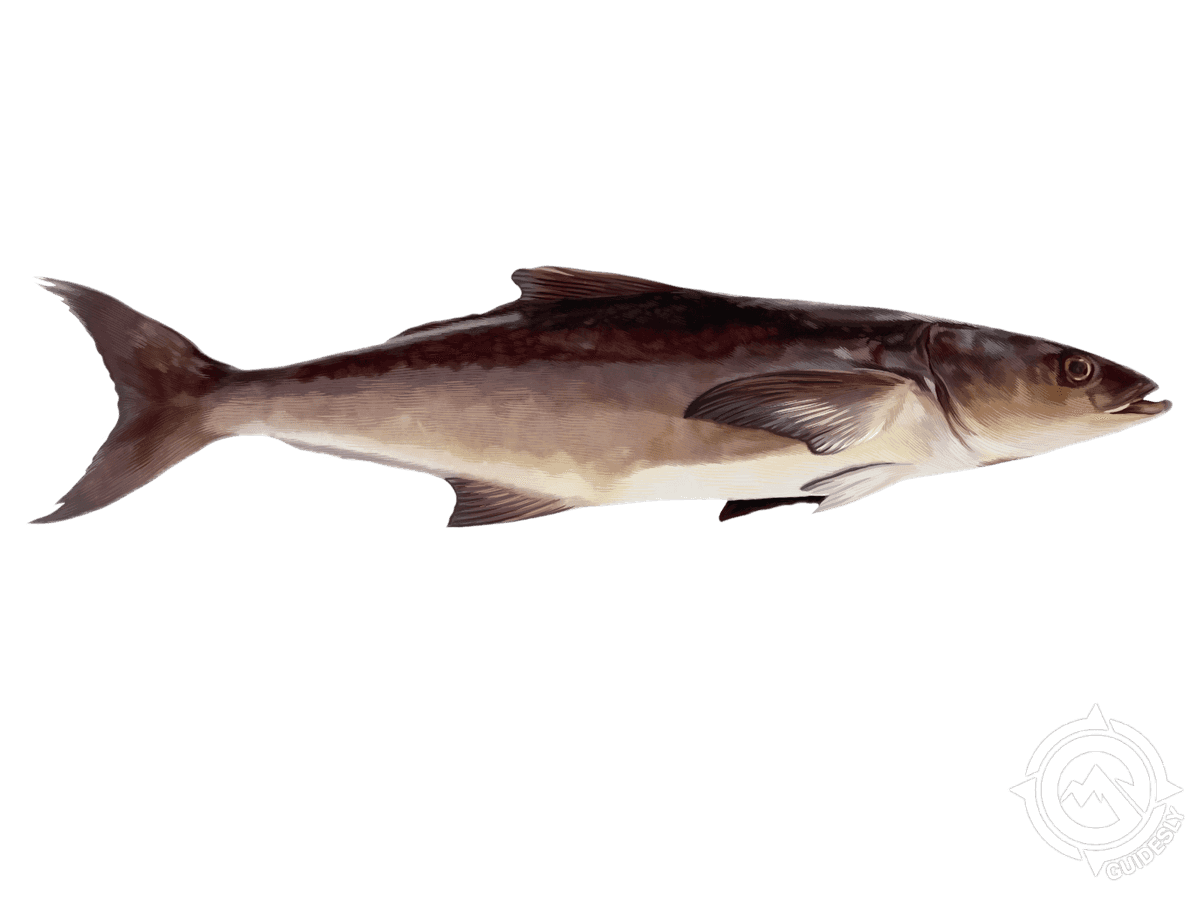
Cobia are unique fish that often get mistaken for sharks due to their brown coloration and single dorsal fin. Around Hudson, they typically run 25-40 inches and 15-30 pounds, making them solid fighters with excellent table fare. You'll find them around structure like channel markers, wrecks, and crab trap floats in 15-50 feet of water. Spring migration from March through May offers the best sight-fishing opportunities when they cruise near the surface. What makes cobia special is their curiosity - they'll often approach the boat and follow lures, giving you multiple chances. They're also premier eating fish with firm, white meat that's hard to beat. These fish are usually solitary, not schooling like other species. My favorite technique is sight-casting with bucktail jigs, but here's the trick - if one follows your lure without striking, change to a different colored jig. Sometimes that's all it takes.
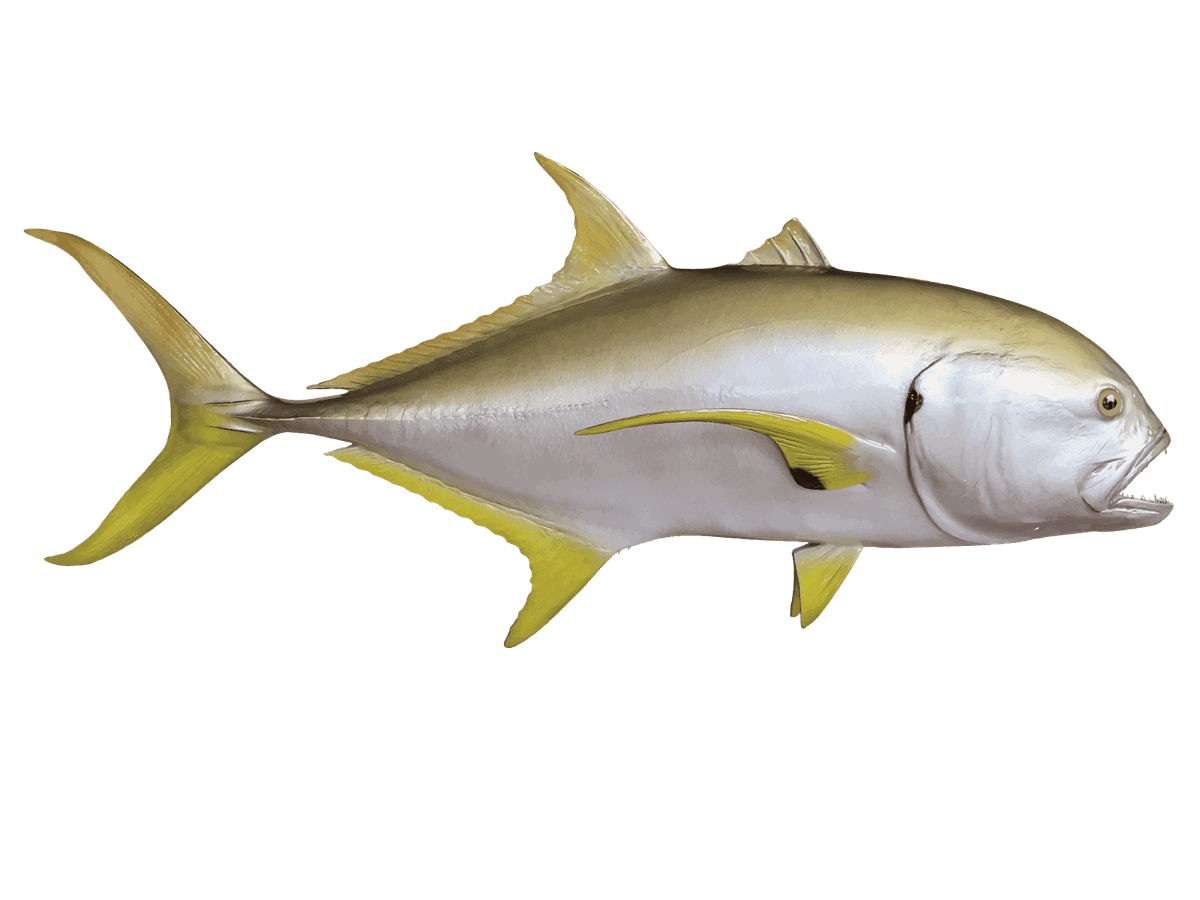
Crevalle Jack
Crevalle jacks are the bulldogs of our inshore waters - aggressive, powerful fighters that never quit. These brassy-colored fish with yellow tails typically run 2-8 pounds around Hudson, though we hook bigger ones occasionally. They roam grass flats, channel edges, and around structure in 3-30 feet of water. Spring through fall provides the best action when they're actively feeding. What makes jacks exciting is their attitude - they attack lures with reckless abandon and fight way above their weight class. Look for diving birds, which signal jacks pushing baitfish to the surface. They're not great table fare, but the sport is outstanding. Fast-moving lures like spoons and topwater plugs work best. Local tip: when you spot feeding birds, cast beyond the school and retrieve fast through the commotion. Jacks love the chase and will demolish a lure moving at high speed.
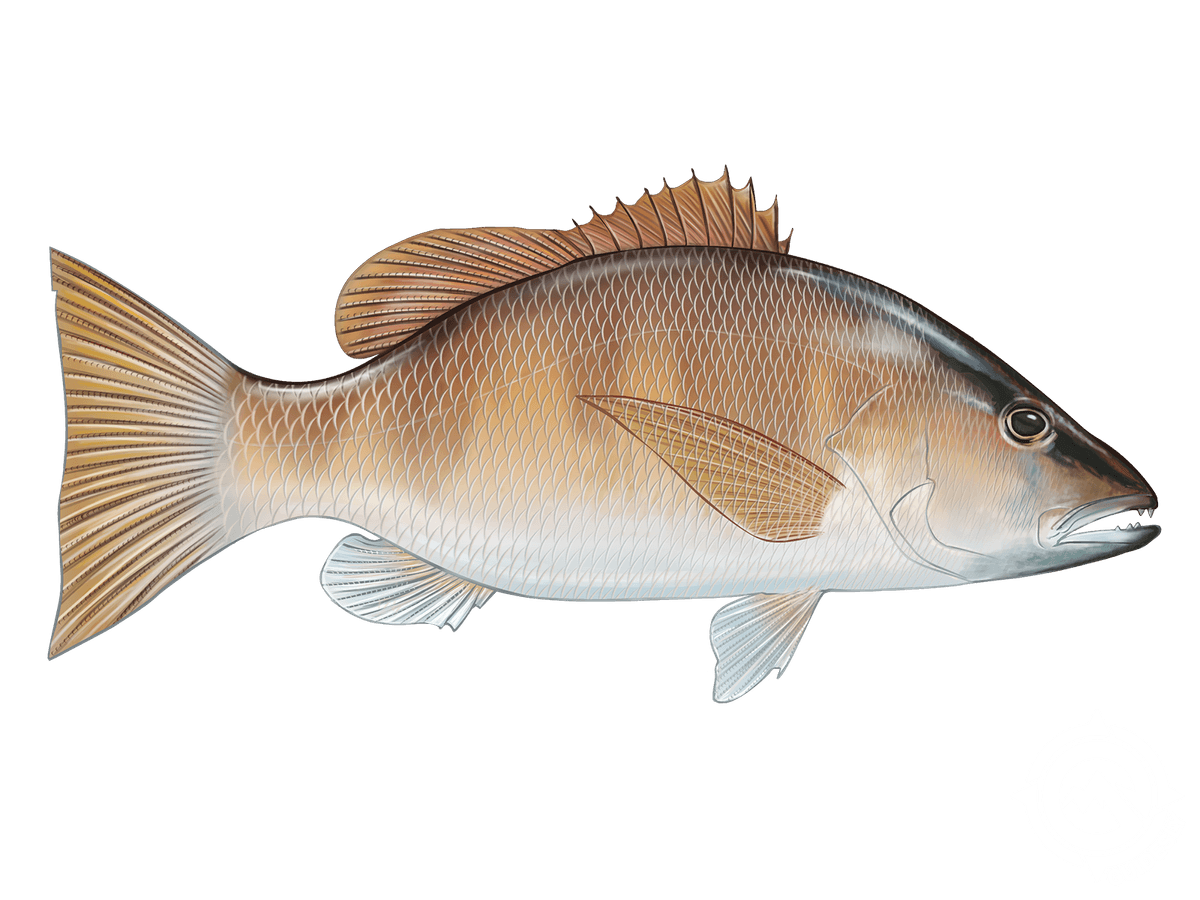
Grey Snapper
Grey snappers, also called mangrove snappers, are smart fish that keep you on your toes. Around Hudson, they typically run 12-16 inches and 1-3 pounds, though we occasionally hook bigger ones near structure. You'll find them around docks, mangroves, and rocky bottom in 5-25 feet of water. These copper-colored fish with the dark eye stripe are active year-round but fish best on moving tides when they're feeding. What guests love is the challenge - they're cautious biters that require finesse, but once hooked they fight hard for their size. The payoff is worth it since they're excellent table fare with white, flaky meat. They're most active at dusk and dawn. My go-to trick is using a live shrimp on a light jig head, but here's the key - let it sit still on the bottom. Too much movement spooks these wary fish.
Snook
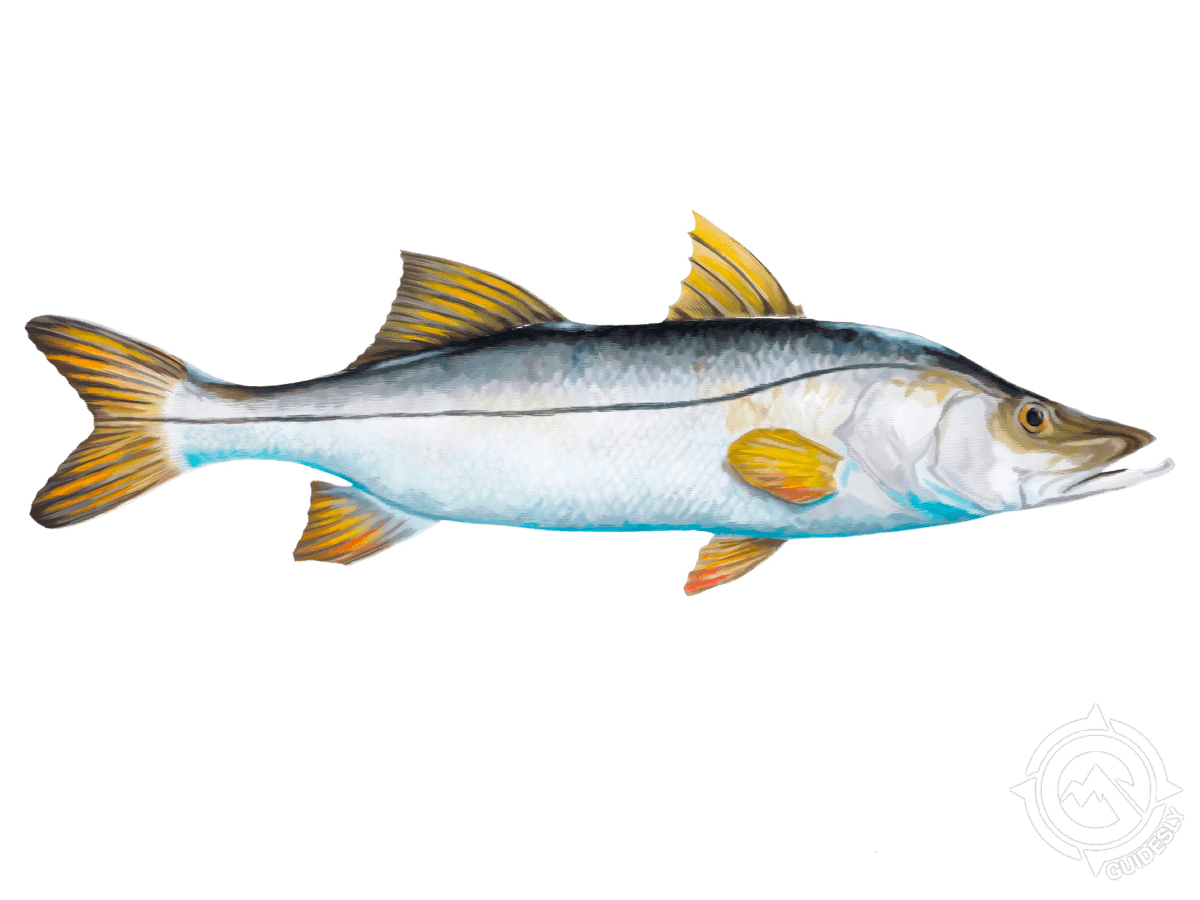
Snook are one of our most popular targets around Hudson's mangroves and creek mouths. These silver beauties with that distinctive black lateral line typically run 18-28 inches inshore, though bigger ones lurk in deeper channels. They're structure fish - you'll find them around docks, mangrove roots, and bridge pilings in water from 2-15 feet deep. Spring through fall is prime time when water temps stay above 70°F. Snook are ambush predators that hit hard and make powerful runs toward cover. What makes them special is their versatility - they eat everything from shrimp to mullet, making them great on both live bait and artificials. Here's a local trick: when working mangroves, cast your bait tight to the roots and let it drift naturally with the current. Snook often hold in the shadows waiting to pounce.
Tarpon
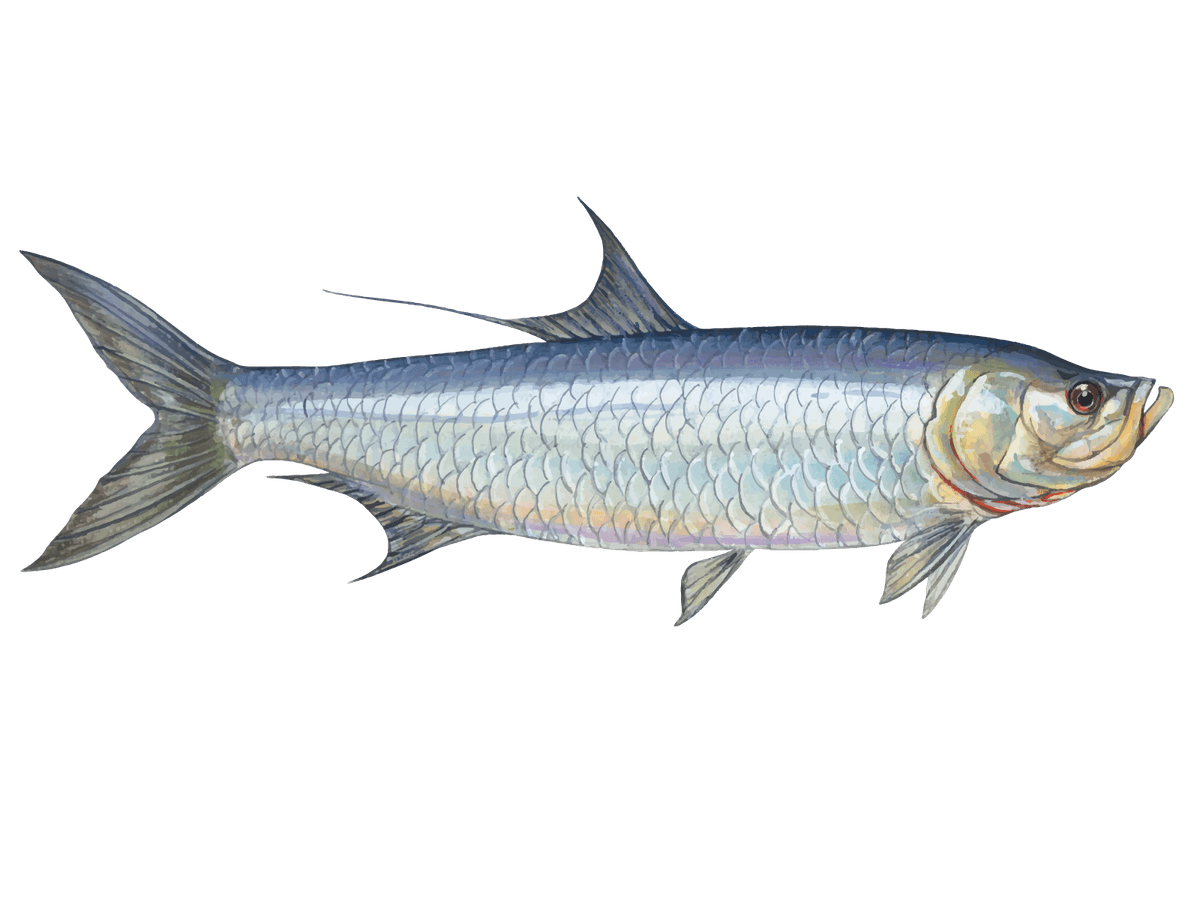
Tarpon are the ultimate bucket-list fish - nothing matches seeing a 100-pound silver king launch itself six feet out of the water. Around Hudson, we encounter them from spring through fall, with peak action in summer months. Most of our fish run 50-120 pounds and frequent shallow flats, channels, and around bridges in 4-20 feet of water. They migrate through our area following baitfish and prefer warmer water above 75°F. What makes tarpon special isn't the eating - most anglers release them - but the fight. They're pure athletes with incredible jumps and long powerful runs that test your equipment and skills. Live bait like crabs, pinfish, or mullet works best. The key trick is keeping steady pressure but not too much - when they jump, bow to the fish by lowering your rod tip to keep slack in the line. That prevents them from throwing the hook.
About the Sports Coast Inshore Charters
%2F%2Fusers%2Fcd7f057a-4f6e-440b-a115-9f6203d0cdc7%2Fvehicle_picture%2F67891147_108805460463655_970830907189493760_n-mllxwxp2.jpg&w=1200&q=75)
Vehicle Guest Capacity: 4
Manufacturer Name: Yamaha
Maximum Cruising Speed: 45
Number of Engines: 1
Horsepower per Engine: 250