%2Ffit-in%2F250x250%2Fguide_websites%2F119357%2Fimages%2F1771060589629305768235_591808822667736_4251670508769787084_n.jpg&w=1200&q=100)
/users/cd7f057a-4f6e-440b-a115-9f6203d0cdc7/ratecard/19-mlm1q1a1.jpg)
%2F300x300%2Fusers%2Fcd7f057a-4f6e-440b-a115-9f6203d0cdc7%2Fratecard%2F19-mlm1q1a1.jpg&w=256&q=75)
%2F300x300%2Fusers%2Fcd7f057a-4f6e-440b-a115-9f6203d0cdc7%2Fimages%2Fanglers-reel-great-haul-2698.jpg&w=256&q=75)
%2F300x300%2Fusers%2Fcd7f057a-4f6e-440b-a115-9f6203d0cdc7%2Fimages%2Fsheepshead-hudson-fishing-2620.jpg&w=256&q=75)
%2F300x300%2Fusers%2Fcd7f057a-4f6e-440b-a115-9f6203d0cdc7%2Fimages%2Ftwo-sheepshead-hudson-fishing-3111.jpg&w=256&q=75)
%2F300x300%2Fusers%2Fcd7f057a-4f6e-440b-a115-9f6203d0cdc7%2Fimages%2Fsnook-fishing-hudson-2558.jpg&w=256&q=75)
%2F300x300%2Fusers%2Fcd7f057a-4f6e-440b-a115-9f6203d0cdc7%2Fimages%2Fspotted-weakfish-florida-fishing-2613.jpg&w=256&q=75)
%2F300x300%2Fusers%2Fcd7f057a-4f6e-440b-a115-9f6203d0cdc7%2Fimages%2Ffishing-hudson-river-2655.jpg&w=256&q=75)
%2F300x300%2Fusers%2Fcd7f057a-4f6e-440b-a115-9f6203d0cdc7%2Fimages%2Ffishing-hudson-waterfront-2736.jpg&w=256&q=75)
%2F300x300%2Fusers%2Fcd7f057a-4f6e-440b-a115-9f6203d0cdc7%2Fimages%2Fspotted-weakfish-hudson-fishing-2855.jpg&w=256&q=75)
%2F300x300%2Fusers%2Fcd7f057a-4f6e-440b-a115-9f6203d0cdc7%2Fimages%2Fgag-grouper-fishing-hudson-2677.jpg&w=256&q=75)
%2F300x300%2Fusers%2Fcd7f057a-4f6e-440b-a115-9f6203d0cdc7%2Fimages%2Fredfish-caught-hudson-2649.jpg&w=256&q=75)
Hudson FL 2 Hour Sports Coast Inshore Charter
 Hudson FL
What you will be catching:
 Cobia
Cobia Crevalle Jack
 Redfish
 Snook
Snook Tarpon
- Two-hour private charter targeting snook, redfish, tarpon, and cobia
- All equipment, tackle, bait, and fishing licenses provided by captain
- Ideal duration for families, beginners, or introductory fishing experiences
Trip Pricing and Availabilities:
Trip pricing information is temporarily unavailable.
Hudson FL 2 Hour Inshore Fishing Charter
Looking for a quick but action-packed fishing adventure on Florida's Nature Coast? This two-hour inshore charter out of Hudson delivers exactly what serious anglers and families alike are searching for. At three hundred dollars for up to two guests, you're getting a private boat experience that targets some of the most sought-after gamefish swimming in these productive waters. Captain and crew handle all the details – rods, reels, tackle, bait, and even your fishing licenses – so you can focus on what matters most: hooking up with snook, redfish, tarpon, and whatever else is biting that day.
What to Expect on the Water
Hudson's inshore waters offer the perfect blend of shallow flats, mangrove shorelines, and deeper channels that hold fish year-round. This isn't some cookie-cutter trip where you'll anchor in one spot all day. Your captain reads conditions like tide movement, bait schools, and fish activity to keep you on the most productive water. One minute you might be sight-casting to cruising redfish in two feet of water, the next you could be working structure for snapper and sheepshead. The beauty of a two-hour window is that it stays fast-paced and exciting – no dead time, no long runs between spots. Perfect for first-timers who want to test the waters or experienced anglers squeezing in a quick session before other commitments. Kids especially love the variety since something different happens every fifteen minutes.
Techniques & Tackle Setup
Your captain brings multiple approaches to match whatever the fish are doing that particular day. Light tackle spinning gear lets you feel every headshake and run, whether you're working topwater plugs over grass flats or bouncing soft plastics along oyster bars. Bottom fishing comes into play around structure where snapper, grunt, and sheepshead hang out, while trolling covers water efficiently when hunting for spanish mackerel or cobia. Fly fishing opportunities pop up regularly, especially when tarpon are rolling or snook are ambushing bait in the shadows. Bait selection ranges from live shrimp and pinfish to cut bait and artificials, all chosen based on target species and current conditions. The captain handles rigging changes so you stay fishing instead of fumbling with knots and weights. Everything's sized appropriately – no heavy boat rods that take the fun out of catching smaller fish, but sturdy enough to handle anything that might show up unexpectedly.
Species You'll Want to Hook
Snook rank as the most popular target around Hudson's mangrove coastline, and for good reason. These ambush predators hang in the shadows waiting to blast whatever swims by, creating heart-stopping strikes that'll make you jump. Best action typically happens around moving tides when bait gets pushed through their feeding zones. Snook fight dirty – they'll head straight for the nearest mangrove roots or piling, testing your drag and the captain's boat-handling skills. Spring through fall offers the most consistent action, though winter can produce some monster fish when cold fronts push them into deeper creeks.
Tarpon bring a completely different energy to the trip. Even juvenile tarpon in the 20-40 pound range will clear the water multiple times, shaking their heads and throwing hooks with impressive athleticism. Hudson's waters host tarpon year-round, but late spring and summer bring the best numbers. These fish often travel in small pods, so hooking one frequently leads to multiple shots. The key is getting them to eat before they spook – tarpon can be incredibly finicky, following baits for long distances without committing.
Redfish provide steady action and excellent table fare, making them a customer favorite for good reason. These copper-colored bruisers cruise shallow flats and oyster bars, often with their backs out of water while feeding. Sight-fishing for reds creates some of the most exciting moments of any inshore trip – watching a fish track your bait before inhaling it never gets old. Peak season runs from late summer through early winter when schools of bull reds move through the area. Smaller slot-size fish are available year-round and make excellent eating.
Crevalle jack might not win beauty contests, but they'll absolutely wear you out with their bulldogging fights. These yellow-tinged scrappers hunt in schools and attack baits with reckless abandon. When you hook into a school of jacks, everyone on board usually gets a shot. They're particularly active during warmer months and often show up unexpectedly, turning a slow period into non-stop action. Their powerful runs and stamina make them perfect for testing your tackle and fighting technique.
Cobia represent the wild card species that can make any trip memorable. These brown sharks-lookalikes cruise independently or in small groups, often following rays and other fish to steal easy meals. Cobia season peaks during spring and fall migrations, but resident fish stick around year-round. They're curious by nature and will often approach the boat for a closer look, creating sight-fishing opportunities. Once hooked, cobia make long, powerful runs and don't give up easily. Plus, they're outstanding on the dinner table.
Time to Book Your Spot
Two hours might not sound like much, but experienced captains know how to make every minute count in these fish-rich waters. You're getting the same quality experience as longer charters, just condensed into a perfect bite-sized adventure. The private boat setup means no crowds, no waiting for other anglers, and fishing techniques tailored to your skill level and interests. Whether you're introducing kids to fishing, planning a quick date activity, or just need to get your fishing fix without burning a whole day, this charter delivers exactly what you're looking for. Hudson's inshore fishery produces year-round, so there's never a bad time to get out there and see what's biting.
Learn more about the animals
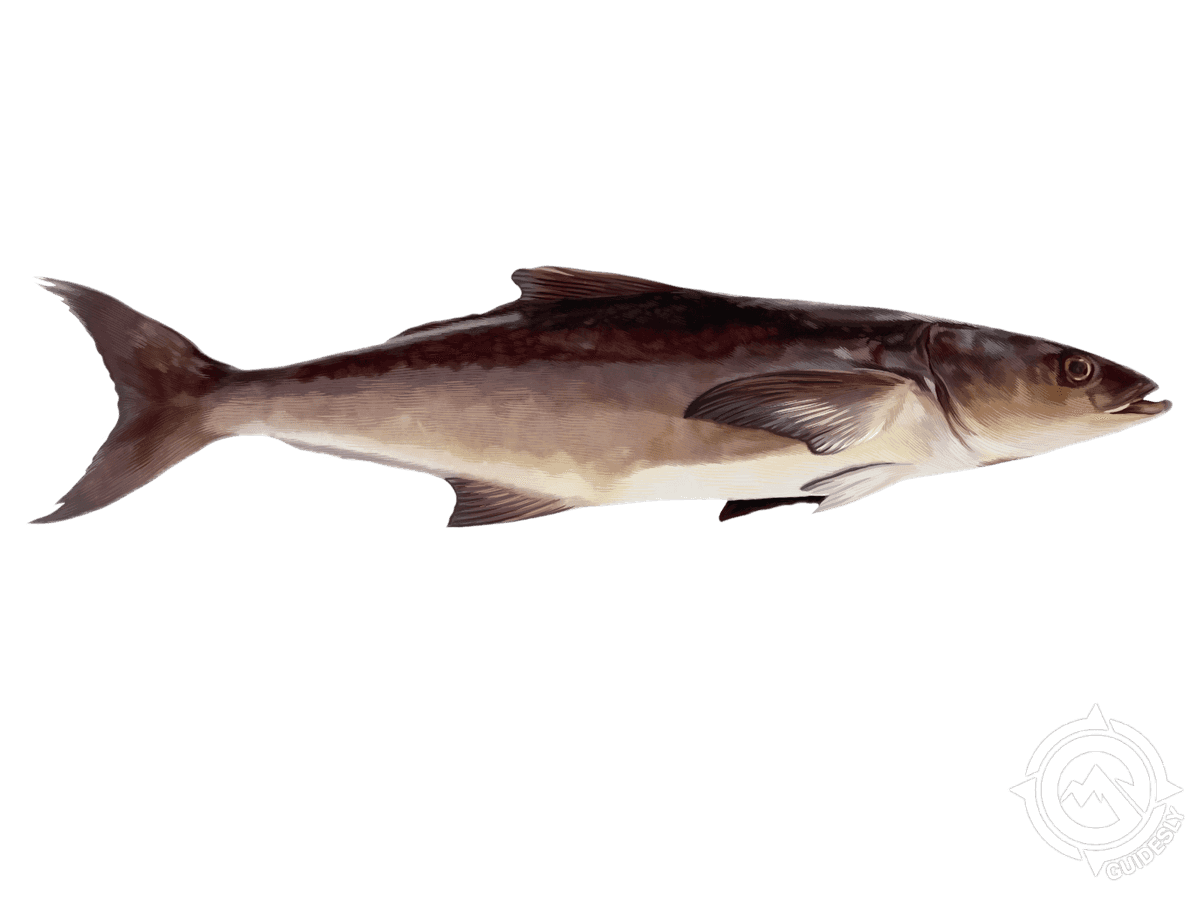
Cobia
Cobia are one of our premium targets, typically running 30-50 pounds and 4-5 feet long with that dark brown shark-like appearance. These loners cruise around structure like buoys, wrecks, and channel markers in 15-40 feet of water, often near the surface. Spring through early fall is your best bet, especially during their spawning runs from June through August. What makes them special is their incredible table fare - firm, white meat that's restaurant quality - plus they put up a solid fight. Unlike most fish, they're curious and will often approach the boat. Being solitary hunters, you typically catch one at a time rather than multiple fish. Here's my trick: sight fish for them around any floating structure or debris, and drop a bucktail jig or live bait right in front of their nose - they rarely refuse an easy meal.
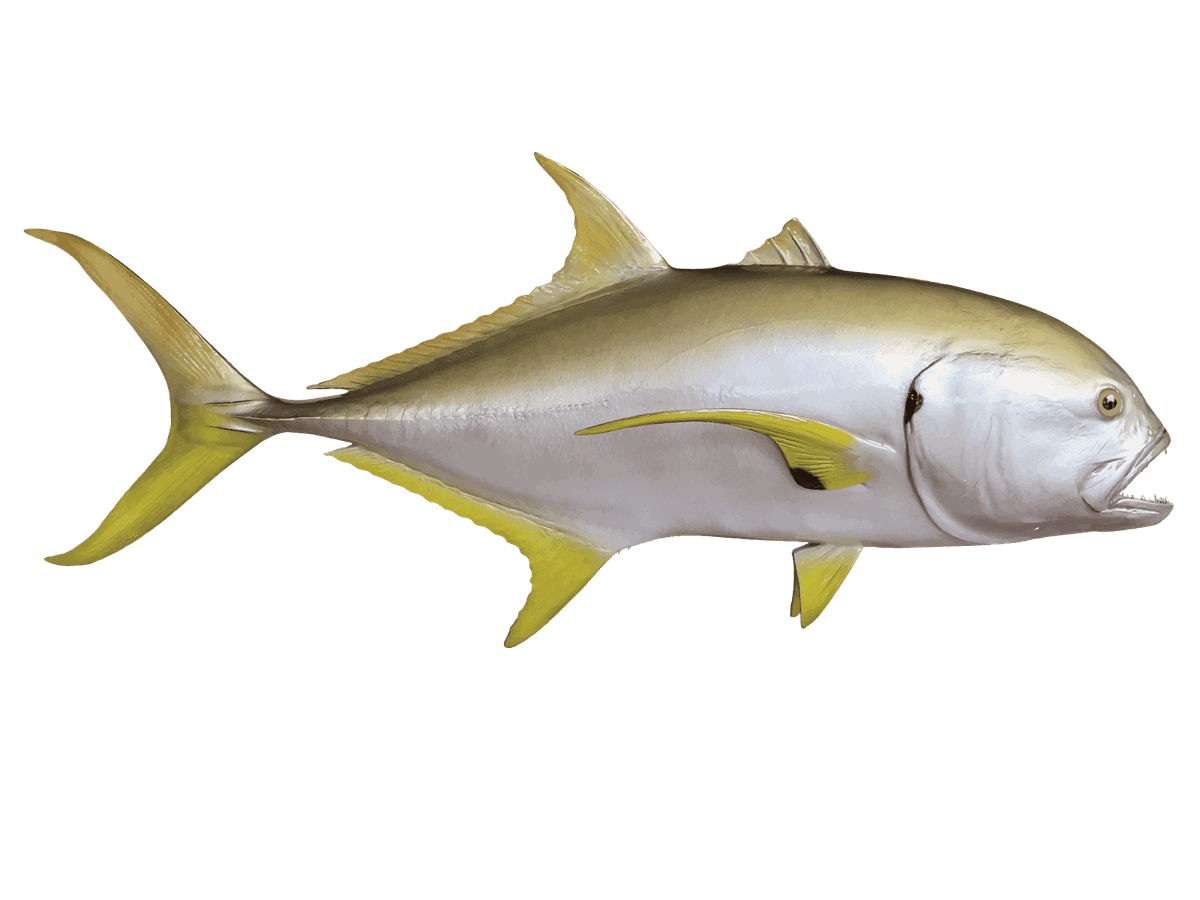
Crevalle Jack
Crevalle Jack are the ocean bullies that'll test your tackle, averaging 12-24 inches but capable of hitting 40+ pounds. These aggressive hunters roam grass flats, reefs, and open water from the surface down to 30 feet, often in large schools chasing baitfish. They're here year-round, but spring and summer offer the hottest action when they're actively feeding. Guests love their raw power and non-stop fights - they'll peel drag like crazy. While they're not the best eating, the action more than makes up for it. You can sometimes smell a watermelon-like scent when schools are feeding nearby. Watch for diving birds - that's your cue that jacks are pushing bait to the surface. Cast silver spoons or fast-moving lures past the school and retrieve quickly; these fish love the chase.
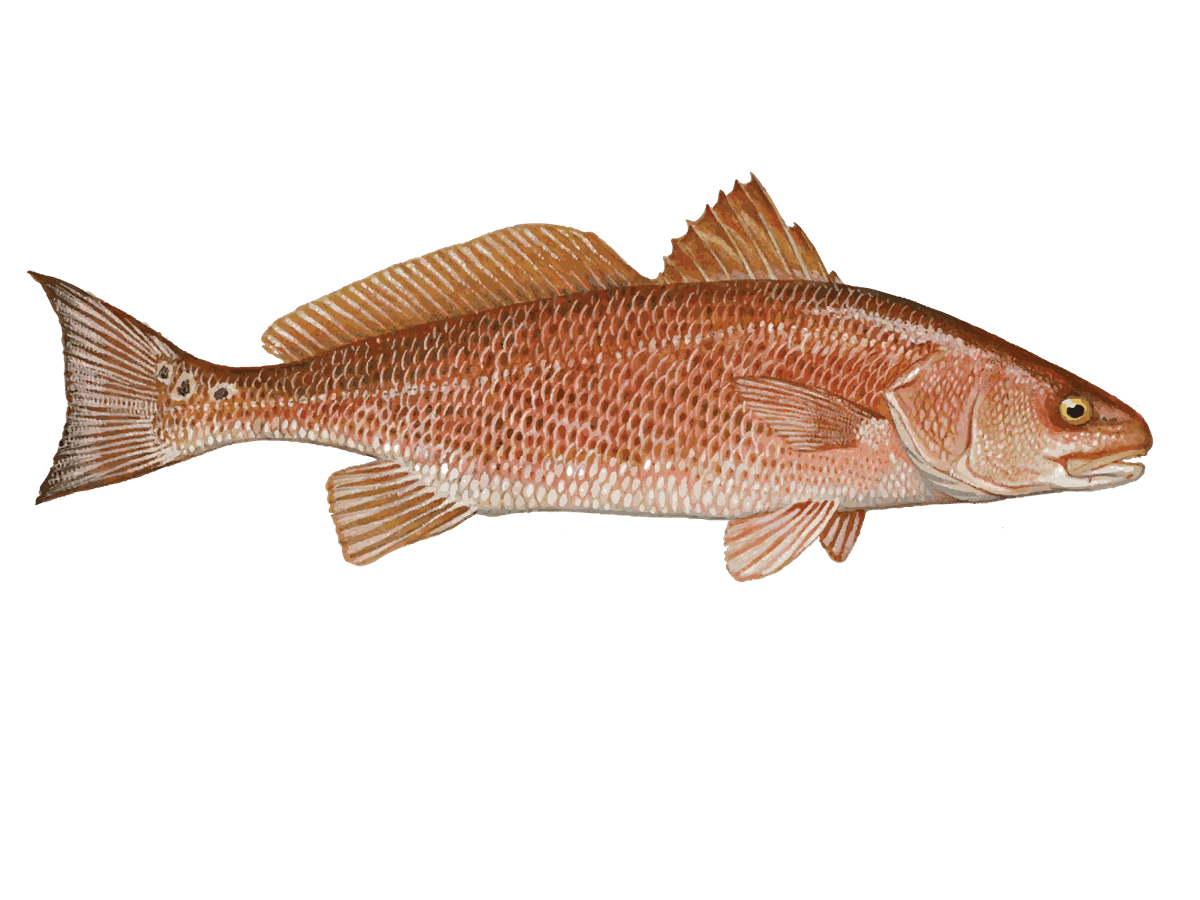
Redfish
Redfish are perfect for our shallow water fishing, typically running 20-30 inches with that signature black spot near the tail. They love cruising grass flats, oyster bars, and shallow bays in just 1-4 feet of water - sometimes so shallow their backs stick out. Year-round fishing is solid here, but fall and winter months are especially productive when they school up. What guests love is their strong, steady fight and excellent table fare - mild, flaky white meat that's hard to beat. These copper-colored bruisers will eat almost anything, making them great for beginners. They use that black spot to confuse predators, making them think the tail is the head. My best advice: look for nervous water or tailing fish on the flats, then pitch soft plastics or live shrimp just ahead of where they're heading.
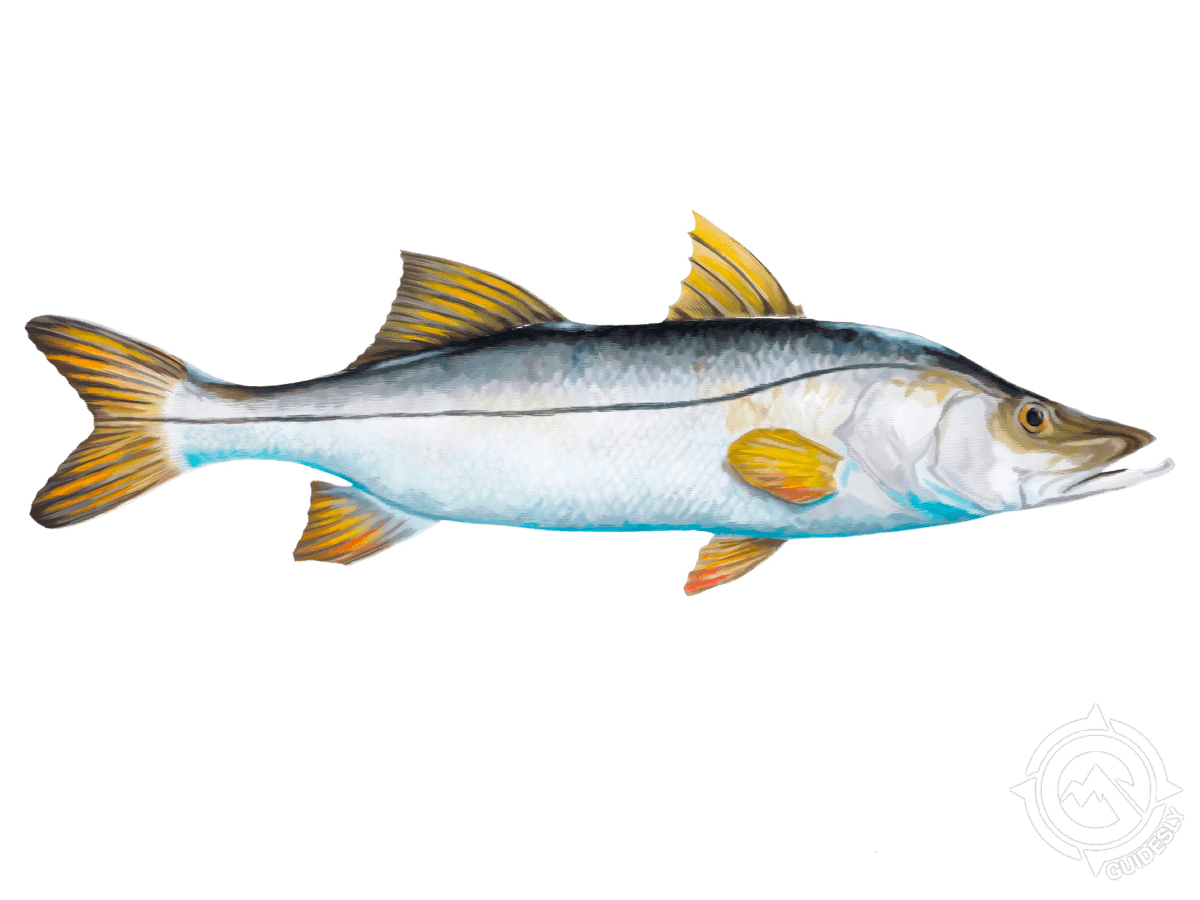
Snook
Snook are one of our most prized inshore targets, running 18-36 inches on average with that distinctive black lateral line and golden coloring. These ambush predators love structure - you'll find them around mangroves, docks, and creek mouths in 2-6 feet of water. They're temperature sensitive, so spring through fall gives you the best action when water temps stay above 65°F. What makes them special is that explosive strike when they hammer your bait, plus they're fantastic eating with firm white meat. They change from male to female as they grow, so those bigger fish are usually females. My go-to trick is working live shrimp or pinfish right along the mangrove edge during moving tides - let it drift naturally and be ready for that sudden thump.
Tarpon
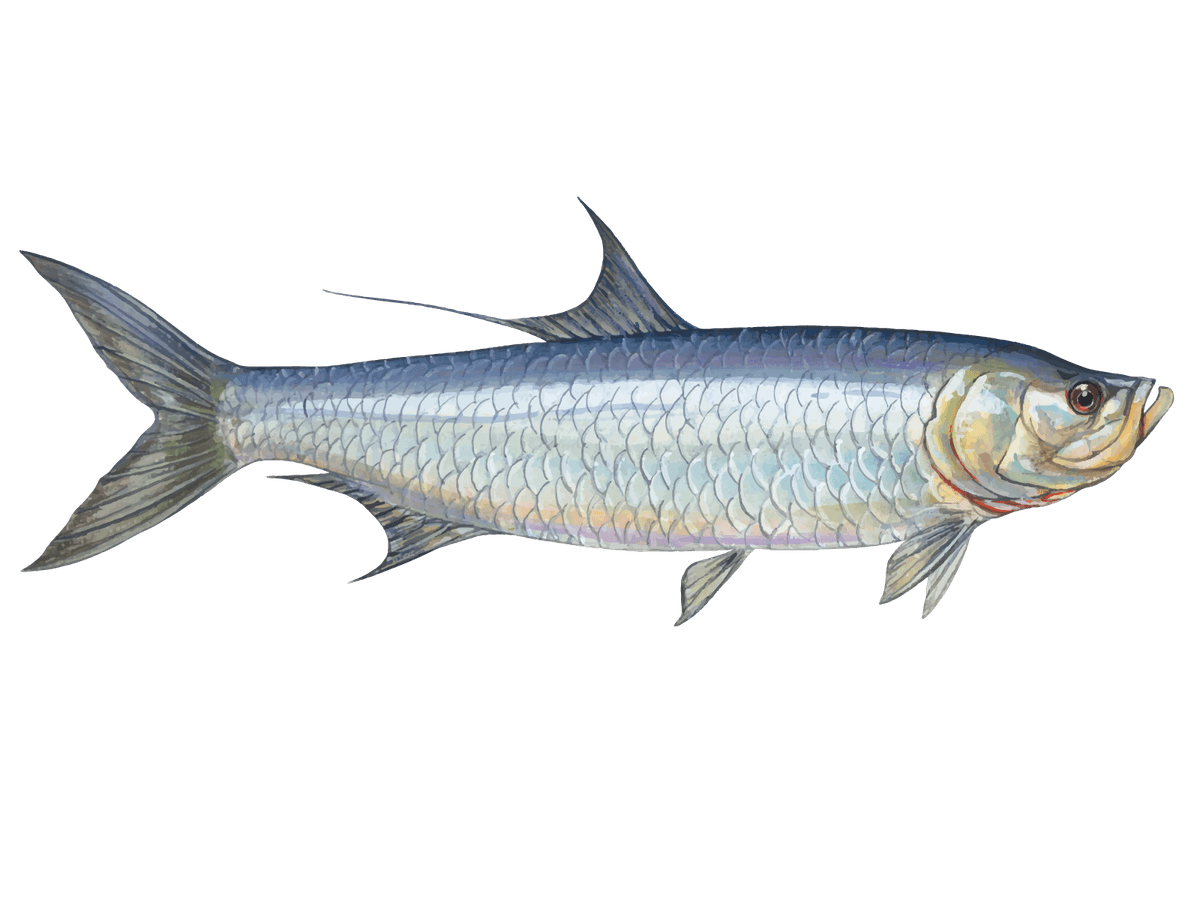
Tarpon are the kings of inshore fishing, averaging 4-6 feet and 80-100 pounds around here. These silver giants cruise shallow flats, channels, and bridges in 5-20 feet of water, gulping air at the surface when oxygen runs low. Late spring through summer is prime time, especially around new and full moons when they're most active. What hooks every angler is watching a 100-pound fish launch 10 feet out of the water - pure adrenaline. They're not great eating due to bony meat, so it's all about the fight and photos. These prehistoric fish can live 50+ years, so we practice catch and release. Pro tip: when you see one jump, bow to the fish by dropping your rod tip toward the water - it prevents the line from snapping on re-entry.
About the Sports Coast Inshore Charters
%2F%2Fusers%2Fcd7f057a-4f6e-440b-a115-9f6203d0cdc7%2Fvehicle_picture%2F67891147_108805460463655_970830907189493760_n-mllxwxp2.jpg&w=1200&q=75)
Vehicle Guest Capacity: 4
Manufacturer Name: Yamaha
Maximum Cruising Speed: 45
Number of Engines: 1
Horsepower per Engine: 250