%2Ffit-in%2F250x250%2Fguide_websites%2F119357%2Fimages%2F1771060589629305768235_591808822667736_4251670508769787084_n.jpg&w=1200&q=100)
/users/cd7f057a-4f6e-440b-a115-9f6203d0cdc7/ratecard/2-mllz4hkf.jpg)
%2F300x300%2Fusers%2Fcd7f057a-4f6e-440b-a115-9f6203d0cdc7%2Fratecard%2F2-mllz4hkf.jpg&w=256&q=75)
%2F300x300%2Fusers%2Fcd7f057a-4f6e-440b-a115-9f6203d0cdc7%2Fimages%2Fanglers-reel-great-haul-2698.jpg&w=256&q=75)
%2F300x300%2Fusers%2Fcd7f057a-4f6e-440b-a115-9f6203d0cdc7%2Fimages%2Fsheepshead-hudson-fishing-2620.jpg&w=256&q=75)
%2F300x300%2Fusers%2Fcd7f057a-4f6e-440b-a115-9f6203d0cdc7%2Fimages%2Ftwo-sheepshead-hudson-fishing-3111.jpg&w=256&q=75)
%2F300x300%2Fusers%2Fcd7f057a-4f6e-440b-a115-9f6203d0cdc7%2Fimages%2Fsnook-fishing-hudson-2558.jpg&w=256&q=75)
%2F300x300%2Fusers%2Fcd7f057a-4f6e-440b-a115-9f6203d0cdc7%2Fimages%2Fspotted-weakfish-florida-fishing-2613.jpg&w=256&q=75)
%2F300x300%2Fusers%2Fcd7f057a-4f6e-440b-a115-9f6203d0cdc7%2Fimages%2Ffishing-hudson-river-2655.jpg&w=256&q=75)
%2F300x300%2Fusers%2Fcd7f057a-4f6e-440b-a115-9f6203d0cdc7%2Fimages%2Ffishing-hudson-waterfront-2736.jpg&w=256&q=75)
%2F300x300%2Fusers%2Fcd7f057a-4f6e-440b-a115-9f6203d0cdc7%2Fimages%2Fspotted-weakfish-hudson-fishing-2855.jpg&w=256&q=75)
%2F300x300%2Fusers%2Fcd7f057a-4f6e-440b-a115-9f6203d0cdc7%2Fimages%2Fgag-grouper-fishing-hudson-2677.jpg&w=256&q=75)
%2F300x300%2Fusers%2Fcd7f057a-4f6e-440b-a115-9f6203d0cdc7%2Fimages%2Fredfish-caught-hudson-2649.jpg&w=256&q=75)
St Petersburg 6 Hour Inshore Charter Sports Coast
 Hudson FL
What you will be catching:
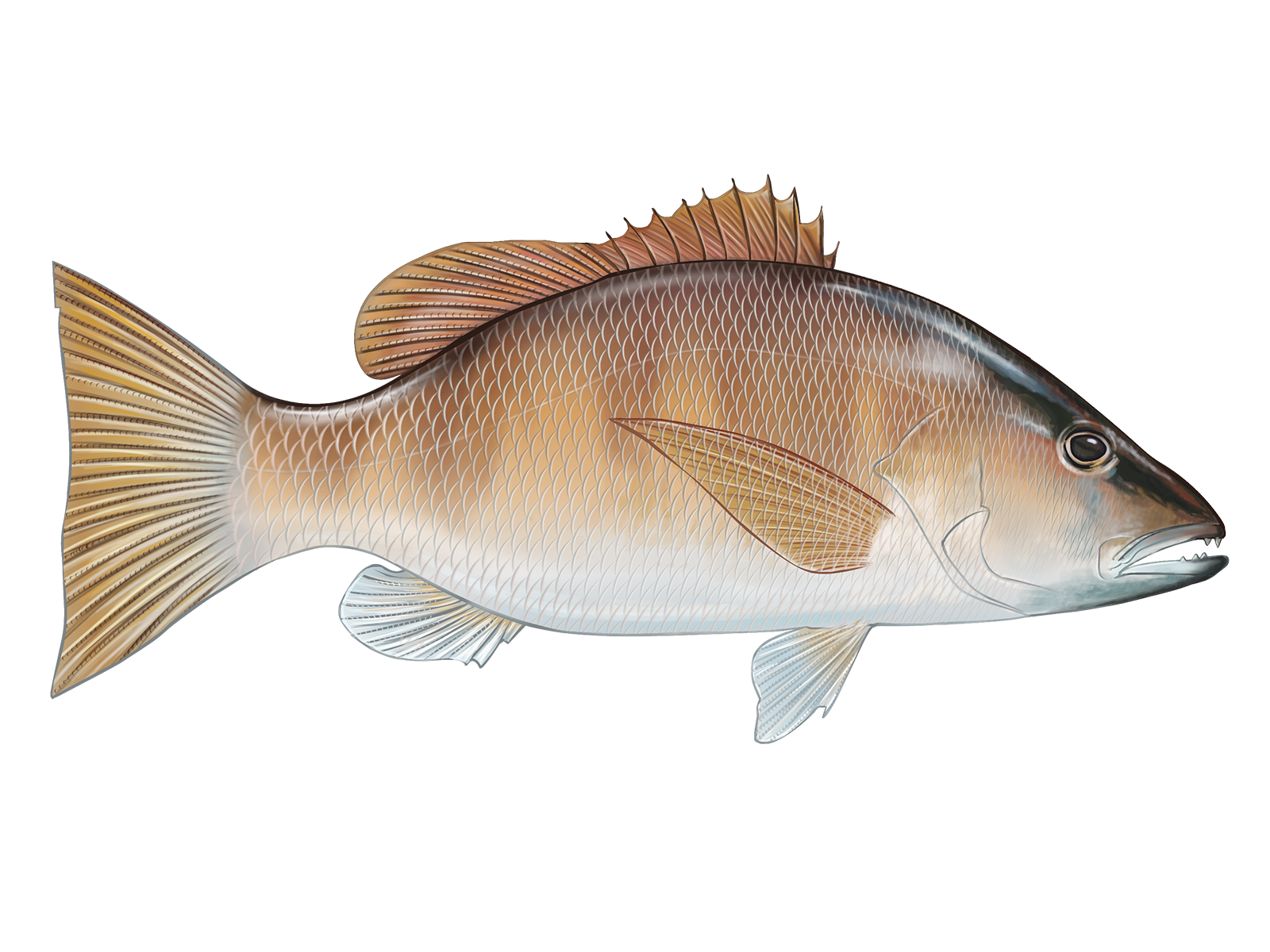 Grey Snapper
 Redfish
 Snook
Snook Spanish Mackerel
 Tarpon
- Six-hour inshore charter targeting five premier fish species
- Multiple fishing techniques adapted to daily conditions and skill levels
- Complete package includes gear, licenses, and captain for $900
Trip Pricing and Availabilities:
Trip pricing information is temporarily unavailable.
St Petersburg 6 Hour Inshore Fishing Charter
Looking for a solid day on the water around St Pete? This six-hour inshore charter gives you plenty of time to work the flats, channels, and structure that make this area famous. At $900 for up to four people, you're getting a private boat with a captain who knows these waters inside and out. The season runs from mid-April through August 1st, hitting prime time for snook, redfish, tarpon, and more. Everything's included - rods, reels, tackle, bait, and licenses - so you just show up ready to fish. Perfect for families, mixed groups, or anyone wanting to experience what makes Tampa Bay such a renowned fishing destination.
What to Expect on the Water
Your captain will pick the spots based on tides, weather, and what's biting that day. Six hours gives you real flexibility to move around and try different techniques without feeling rushed. You might start the morning working shallow grass flats for redfish, then move to deeper structure for snapper when the sun gets high. The beauty of inshore fishing here is the variety - one cast you're sight-fishing a tailing red, the next you're working a mangrove shoreline for snook. The boat stays in protected waters, so it's comfortable for everyone, including kids or folks who get seasick offshore. Your guide will adjust the program based on your group's experience level, whether you're first-timers or seasoned anglers looking to dial in your technique.
Gear and Techniques
The boat comes rigged with light tackle spinning gear that's perfect for inshore work - sensitive enough to feel a redfish pickup, but with enough backbone for a big snook or tarpon. Depending on conditions and target species, you'll use bottom fishing rigs for snapper, trolling setups for mackerel, and live bait presentations for everything else. Fly fishing is available if that's your thing, and the captain can walk beginners through the basics. Artificial lures get plenty of work too - topwater plugs at dawn, soft plastics around structure, and spoons over grass beds. The tackle box is stocked with everything you need, from circle hooks to fluorocarbon leaders. Your captain will handle the technical stuff like rigging and net work, but they're also happy to teach if you want to learn.
Species You'll Want to Hook
Spanish Mackerel show up in good numbers during the warmer months, usually found around bait schools in 8-15 feet of water. These fish are fast and fun on light tackle, averaging 1-3 pounds with occasional larger specimens. They're excellent table fare and great for kids since they bite aggressively and don't require perfect technique. Look for diving birds or surface activity - that's usually where you'll find them. They respond well to small spoons, jigs, or live shrimp fished under a cork.
Snook are the crown jewel of inshore fishing here, and St Pete's waters hold some world-class fish. These ambush predators love structure - docks, mangroves, bridges, and oyster bars. They're most active during dawn and dusk, but you can find them all day if you know where to look. Slot-size fish run 28-32 inches, but you'll encounter everything from schoolie snook to monsters over 40 inches. They're incredibly strong fighters with that distinctive gill-rattling jump. The bite is often subtle - just a slight tick or weight on the line - so stay alert.
Grey Snapper are reliable producers year-round, holding around any hard bottom or structure in 10-30 feet of water. They're excellent eating and provide steady action when other species are finicky. These fish are smart and often require light leaders and small hooks. Fresh shrimp or pinfish work best, fished right on the bottom. They average 1-3 pounds but can reach 5-8 pounds around deeper structure. Kids love them because they pull hard for their size and are relatively easy to catch.
Tarpon fishing peaks during summer months when these silver kings move through Tampa Bay in large numbers. You'll encounter fish from 20-pound juveniles to 100+ pound adults. Even smaller tarpon provide an amazing fight with multiple jumps and long runs. They're primarily catch-and-release, making for great photos and stories. Live bait works best - crabs, pinfish, or threadfins - fished around bridges, channels, or wherever you see them rolling. The key is patience and letting them eat before setting the hook.
Redfish are the area's bread-and-butter species, available year-round in varying sizes. Slot fish run 18-27 inches and are fantastic eating, while oversized "bull" reds provide serious fights on light tackle. Look for them tailing in shallow grass beds, cruising mangrove edges, or schooled up around structure. They eat almost anything - live shrimp, cut bait, artificials, even fly patterns. Reds are perfect for sight-fishing when conditions are right, making them exciting for experienced anglers while still being forgiving for beginners.
Time to Book Your Spot
This charter hits the sweet spot for groups wanting quality time on the water without the expense of offshore fishing. Six hours gives you a real fishing trip, not just a taste, and the all-inclusive pricing makes budgeting simple. The April through August season covers the absolute best inshore fishing Tampa Bay has to offer, with warm weather and active fish. Sports Coast Inshore Charters knows these waters and puts you on fish consistently. Whether you're locals looking for a top-rated guide or visitors wanting an authentic Florida fishing experience, this trip delivers. Just remember that deposits are non-refundable, so book when you're sure about your dates. The boat fills up fast during peak season - especially weekends and holidays.
Learn more about the species
Grey Snapper
Grey snapper, or mangrove snapper as most locals call them, are some of the smartest fish we target around St. Pete's structures. These copper-colored beauties with the dark eye stripe typically run 12-16 inches and 1-2 pounds inshore, though bigger ones lurk around deeper docks and bridges. They love any kind of cover - mangroves, oyster bars, rock piles, bridge pilings - where they can ambush small crabs and baitfish. They're most active during our warmer months and bite best around dawn and dusk. Guests love them because they're scrappy fighters and make outstanding table fare with sweet, white meat. Here's the key: use small hooks and let your bait sit still. These fish are spooky, so too much movement will shut them down completely.
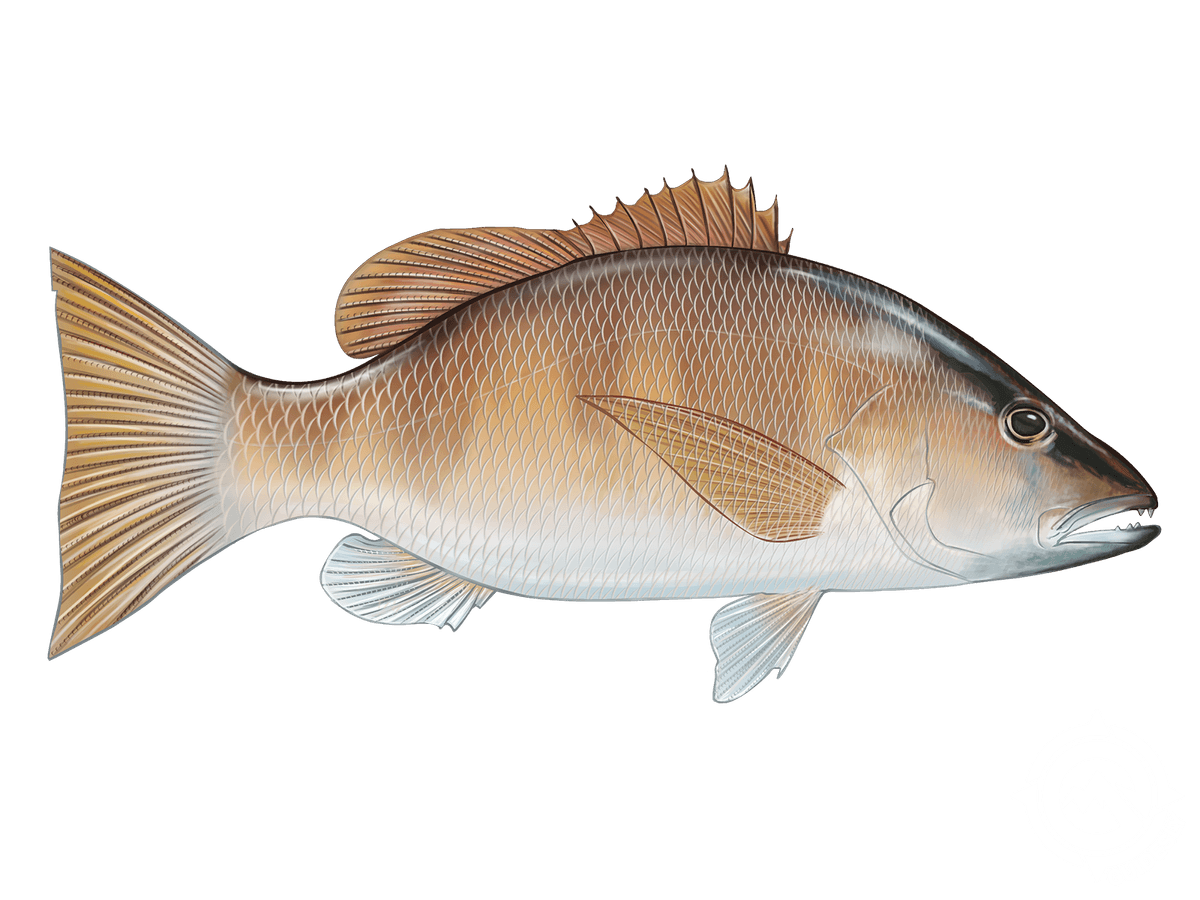
Redfish
Redfish are hands-down the most popular target on our flats, and for good reason. These bronze-backed beauties with the distinctive black spot near their tail typically run 18-27 inches in our shallow waters, making them perfect on light tackle. They love super shallow flats, oyster bars, and grass beds - sometimes in water so skinny their backs stick out. During our season, they're actively feeding and relatively easy to spot. What makes reds special is their willingness to eat almost anything and that powerful, bulldogging fight in shallow water. They're also excellent table fare with sweet, flaky meat. My go-to trick: look for nervous water or tailing fish on the flats, then cast a gold spoon or live shrimp just ahead of where they're moving.
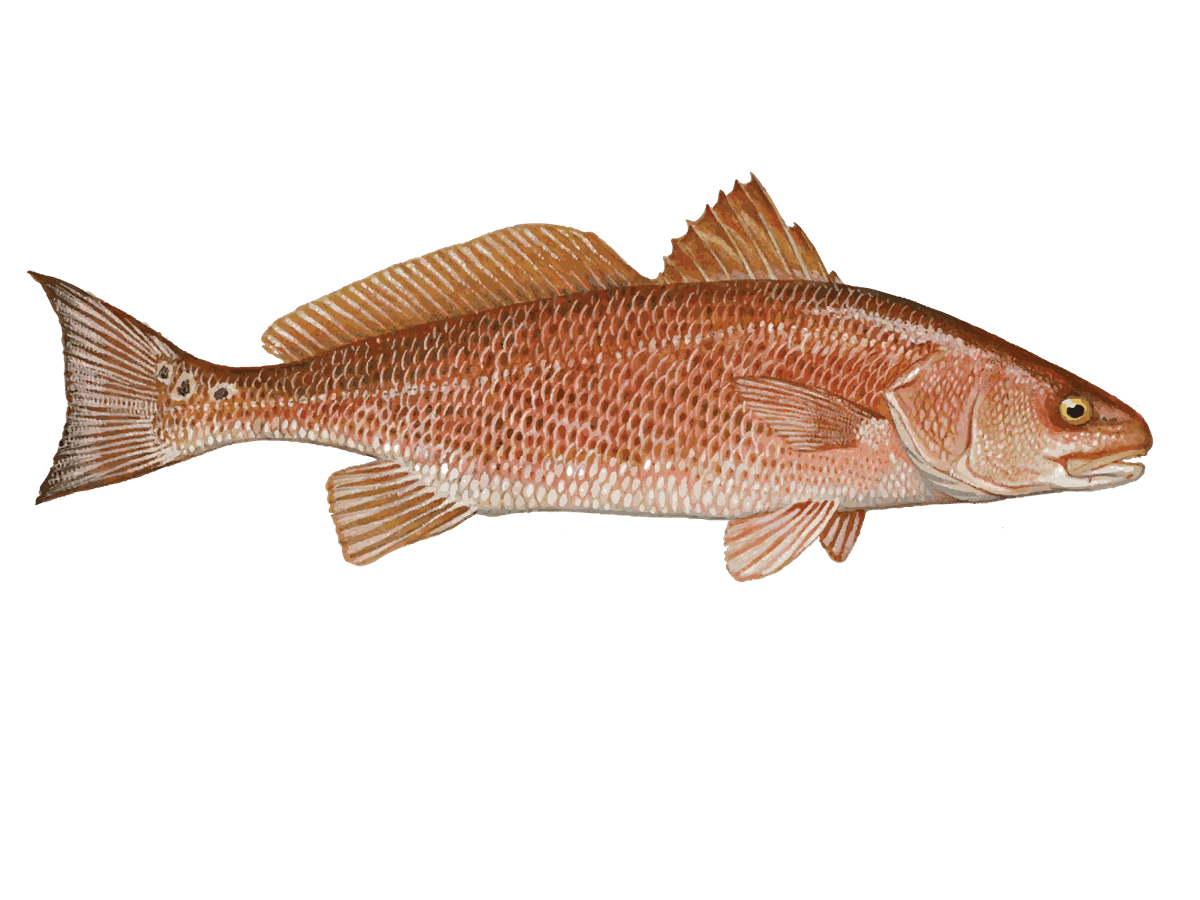
Snook
Snook are the ultimate ambush predator around our mangrove shorelines and dock pilings. These beautiful fish with their signature black lateral line typically run 18-28 inches inshore, but the bigger females can push 30-plus inches and really test your skills. They love structure - docks, mangroves, oyster bars - anywhere they can hide and attack passing baitfish. Summer months are prime time when they're active and feeding hard before spawn season. What guests love most is that explosive strike and stubborn fight - snook don't give up easy. They're also protected gamefish, so it's all catch-and-release, which keeps the fishery strong. Pro tip: cast your bait upcurrent from structure and let it drift naturally into their strike zone.
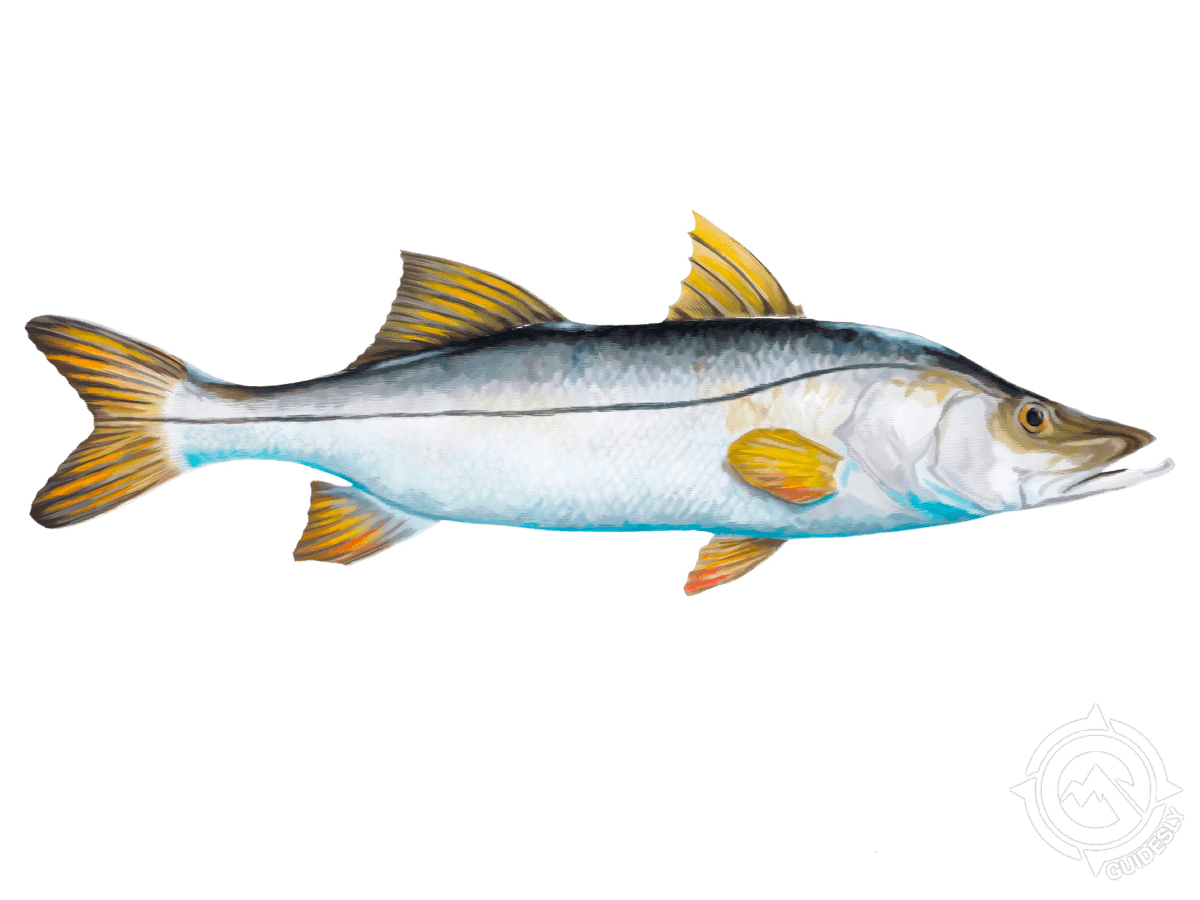
Spanish Mackerel
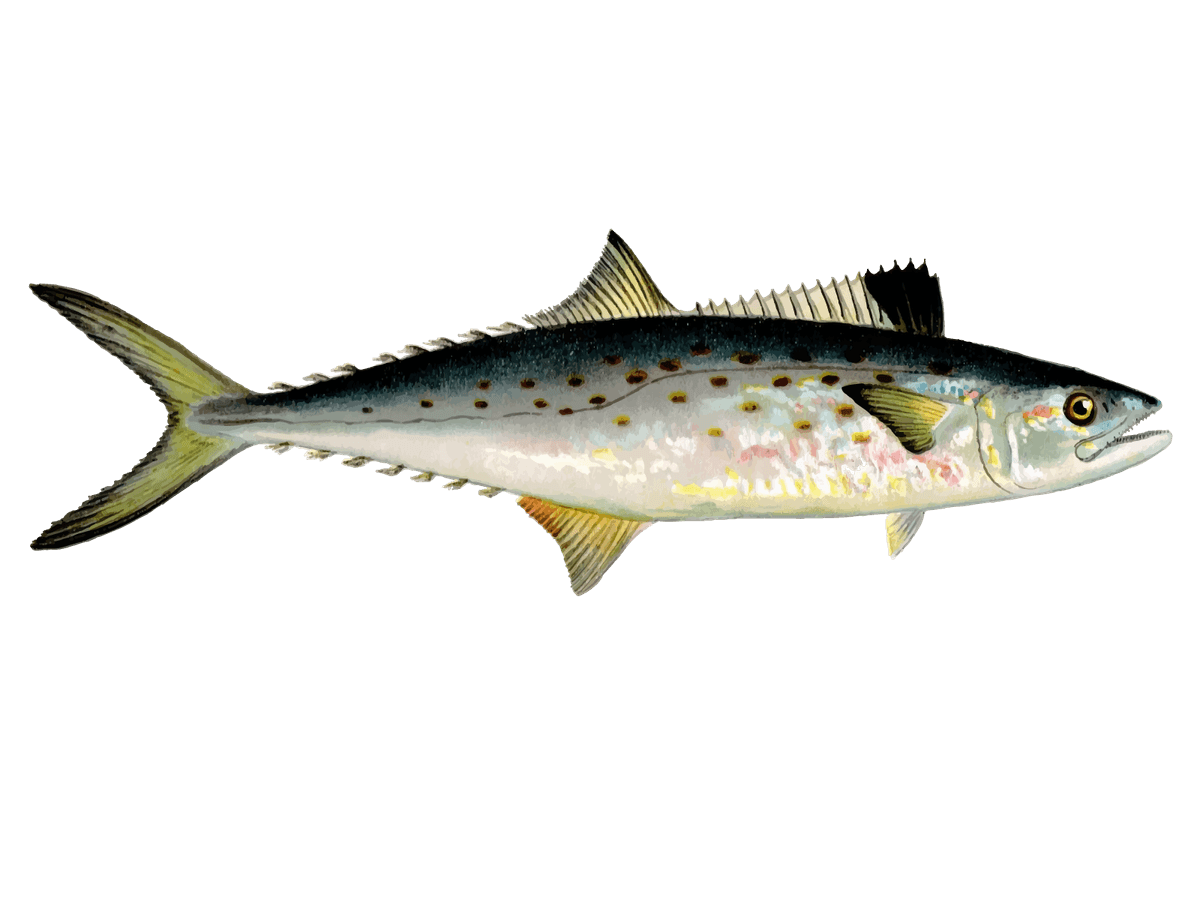
Spanish mackerel are some of the fastest fish you'll hook around St. Pete, hitting speeds that'll test your drag in a hurry. These sleek, silver speedsters with their distinctive yellow spots typically run 1-3 pounds inshore, though we occasionally see bigger ones. They love open flats and structure edges in 5-20 feet of water, especially during our season when baitfish are thick. What makes them special is that explosive strike and blistering run - pure adrenaline on light tackle. Plus, they're fantastic eating with that mild, flaky meat that grills perfectly. My tip: when you see them busting bait on the surface, cast a small silver spoon just past the school and retrieve it fast. They can't resist that flash.
Tarpon
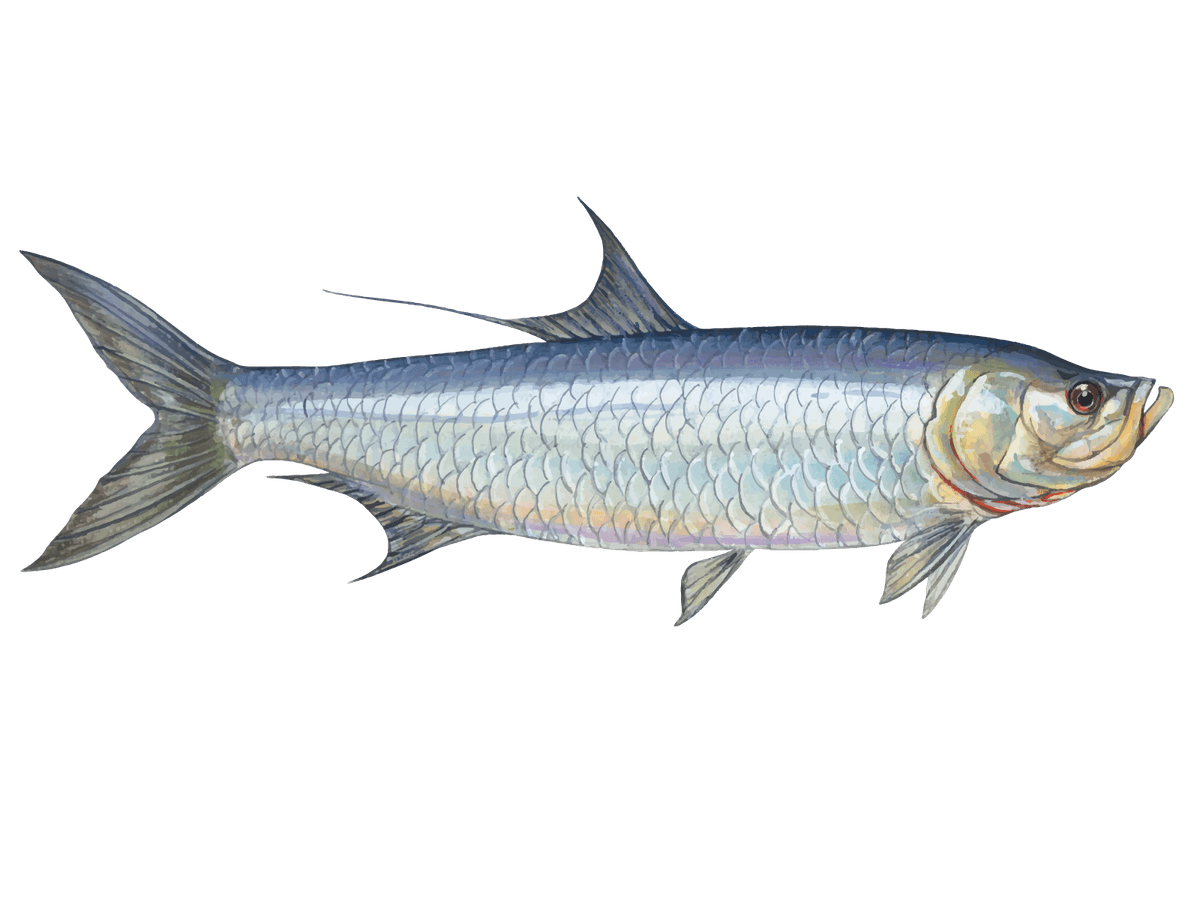
Tarpon are the kings of our inshore waters - massive, acrobatic fish that can reach 100-200 pounds and jump 6 feet out of the water when hooked. These silver giants migrate through Tampa Bay during our season, rolling on the surface in shallow flats and around bridges where they feed on crabs, pinfish, and mullet. Late spring through summer is prime time when they're thick in the bay. What makes tarpon special isn't the eating - most folks release them - it's that heart-stopping fight and those spectacular jumps. Landing one is a lifetime achievement for most anglers. The secret is patience and live bait. When you see them rolling, anchor upcurrent and let a live crab drift down to them. Keep steady pressure but bow to the fish when it jumps.
About the Sports Coast Inshore Charters
%2F%2Fusers%2Fcd7f057a-4f6e-440b-a115-9f6203d0cdc7%2Fvehicle_picture%2F67891147_108805460463655_970830907189493760_n-mllxwxp2.jpg&w=1200&q=75)
Vehicle Guest Capacity: 4
Manufacturer Name: Yamaha
Maximum Cruising Speed: 45
Number of Engines: 1
Horsepower per Engine: 250