%2Ffit-in%2F250x250%2Fguide_websites%2F119357%2Fimages%2F1771060589629305768235_591808822667736_4251670508769787084_n.jpg&w=1200&q=100)
/users/cd7f057a-4f6e-440b-a115-9f6203d0cdc7/ratecard/7-mlm0ei70.jpg)
%2F300x300%2Fusers%2Fcd7f057a-4f6e-440b-a115-9f6203d0cdc7%2Fratecard%2F7-mlm0ei70.jpg&w=256&q=75)
%2F300x300%2Fusers%2Fcd7f057a-4f6e-440b-a115-9f6203d0cdc7%2Fimages%2Fanglers-reel-great-haul-2698.jpg&w=256&q=75)
%2F300x300%2Fusers%2Fcd7f057a-4f6e-440b-a115-9f6203d0cdc7%2Fimages%2Fsheepshead-hudson-fishing-2620.jpg&w=256&q=75)
%2F300x300%2Fusers%2Fcd7f057a-4f6e-440b-a115-9f6203d0cdc7%2Fimages%2Ftwo-sheepshead-hudson-fishing-3111.jpg&w=256&q=75)
%2F300x300%2Fusers%2Fcd7f057a-4f6e-440b-a115-9f6203d0cdc7%2Fimages%2Fsnook-fishing-hudson-2558.jpg&w=256&q=75)
%2F300x300%2Fusers%2Fcd7f057a-4f6e-440b-a115-9f6203d0cdc7%2Fimages%2Fspotted-weakfish-florida-fishing-2613.jpg&w=256&q=75)
%2F300x300%2Fusers%2Fcd7f057a-4f6e-440b-a115-9f6203d0cdc7%2Fimages%2Ffishing-hudson-river-2655.jpg&w=256&q=75)
%2F300x300%2Fusers%2Fcd7f057a-4f6e-440b-a115-9f6203d0cdc7%2Fimages%2Ffishing-hudson-waterfront-2736.jpg&w=256&q=75)
%2F300x300%2Fusers%2Fcd7f057a-4f6e-440b-a115-9f6203d0cdc7%2Fimages%2Fspotted-weakfish-hudson-fishing-2855.jpg&w=256&q=75)
%2F300x300%2Fusers%2Fcd7f057a-4f6e-440b-a115-9f6203d0cdc7%2Fimages%2Fgag-grouper-fishing-hudson-2677.jpg&w=256&q=75)
%2F300x300%2Fusers%2Fcd7f057a-4f6e-440b-a115-9f6203d0cdc7%2Fimages%2Fredfish-caught-hudson-2649.jpg&w=256&q=75)
Port Richey 6 Hour Sports Coast Inshore Trip
 Hudson FL
What you will be catching:
 Cobia
Cobia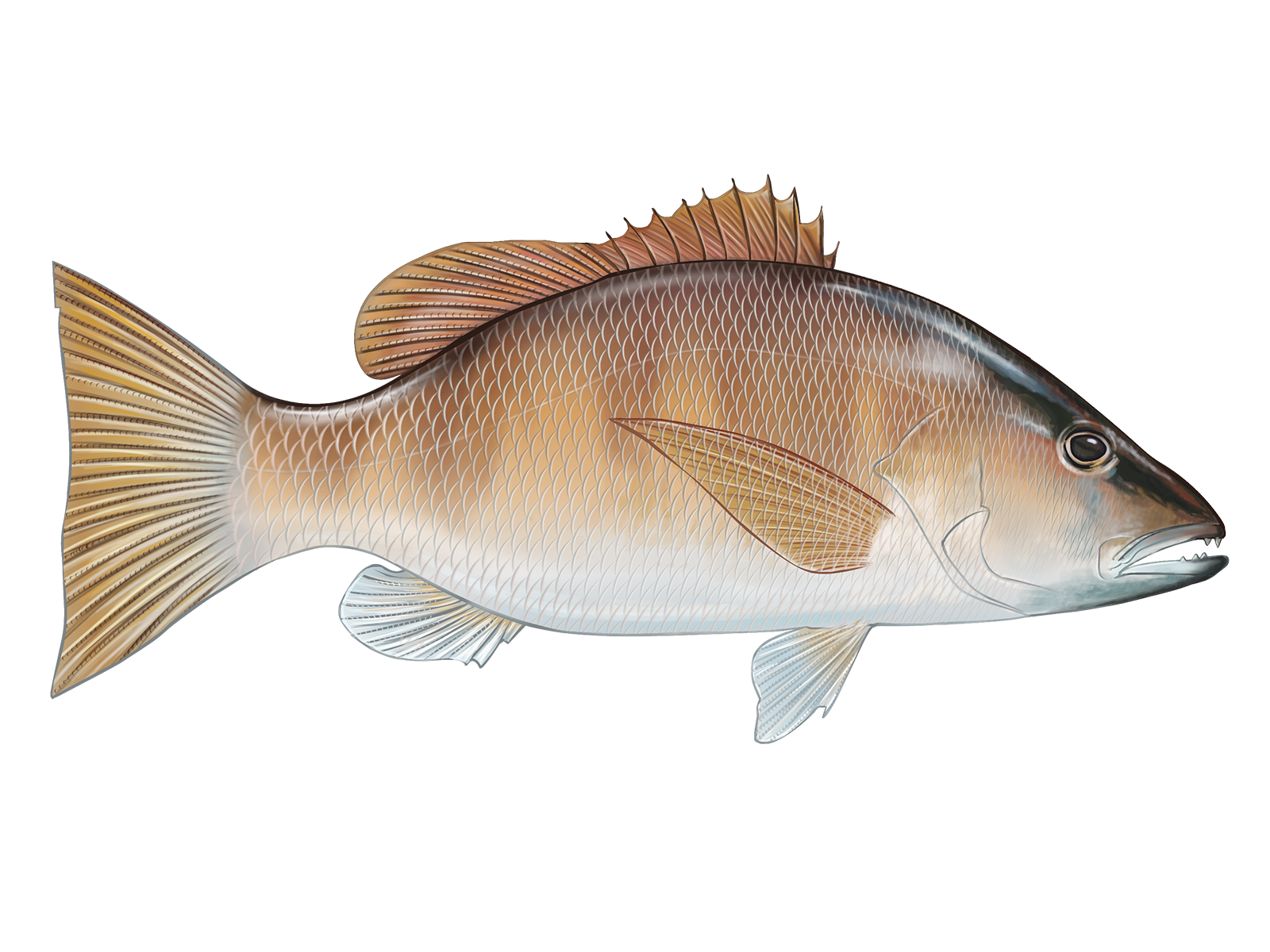 Grey Snapper
 Redfish
 Snook
Snook Tarpon
- Six-hour private charter accommodates up to two anglers maximum
- Targets cobia, snook, tarpon, redfish, trout, grouper using multiple techniques
- All equipment, tackle, bait, and fishing licenses included
Trip Pricing and Availabilities:
Trip pricing information is temporarily unavailable.
Port Richey 6 Hour Inshore Fishing Charter
When you're ready to fish Port Richey's world-class inshore waters without the crowds, this private 6-hour charter is exactly what you've been looking for. You and one fishing buddy get the entire boat to yourselves, working with a top-rated local captain who knows every grass flat, oyster bar, and mangrove shoreline from here to the Gulf. At $650 for the trip, you're getting serious value – that's prime time on productive waters where snook, redfish, tarpon, and cobia make their home year-round. We're talking about the kind of fishing that keeps anglers coming back to Florida's Nature Coast season after season.
What to Expect on the Water
Your captain starts every trip by reading the conditions – tide movement, wind direction, water temperature, and what the fish have been doing lately. Some days that means starting shallow in the grass flats for spotted seatrout, other days it's running to nearshore structure for cobia and snapper. The beauty of a 6-hour window is flexibility. If the redfish aren't cooperating on the first flat, you've got time to move and adjust. Your guide carries multiple rod setups rigged for different techniques, from light spinning gear perfect for sight-fishing snook in skinny water to heavier tackle ready for that 100-pound tarpon that might roll up behind the boat. The longer trip length means you're not rushing – there's time to work a productive spot thoroughly or make that run to where the fish are really biting.
Tackle & Techniques
Everything's provided, so you can leave the tackle shop visits to someone else. Your captain brings the rods, reels, terminal tackle, live and artificial baits, plus handles your fishing licenses. You'll likely use several techniques during the day – bottom fishing around structure for grouper and snapper, trolling the edges for cobia, sight-casting to tailing redfish, or working topwater plugs along mangrove shorelines at first light. Fly fishing is absolutely an option if that's your style, especially when the snook are active in shallow water. The approach changes with conditions and what's biting, but the goal stays the same: putting you on fish using the most effective method for the moment.
Species You'll Want to Hook
Snook are the crown jewel of Port Richey inshore fishing, and for good reason. These ambush predators hang around docks, mangroves, and bridge pilings, waiting to demolish whatever looks like an easy meal. They're notorious for their gill-rattling jumps and bulldog fights in shallow water. Best fishing happens during warmer months, though they're catchable year-round if you know where to look. What makes snook special isn't just the fight – it's the chess match of presentation and timing that gets them to bite.
Grey snapper might not get the same headlines as snook, but they're customer favorites for a reason. These reef dwellers are smart, spooky, and absolutely delicious. You'll find them around structure in 15-30 feet of water, often mixed with other bottom species. Summer and fall offer the best action, when they move shallow to feed. The trick is getting your bait down quickly before they have time to inspect it too closely. When you hook one, expect company – where there's one snapper, there's usually a whole school waiting.
Tarpon fishing in Port Richey is something every angler needs to experience at least once. These silver kings can push 100+ pounds and turn your carefully planned fishing trip into controlled chaos in about two seconds. They're most active during the warmer months, often rolling and feeding in nearshore waters. The hookup is just the beginning – tarpon are famous for their acrobatic jumps and long, powerful runs that test every component of your tackle. Most get released after a quick photo, making them a sustainable trophy fish that'll live to fight another day.
Redfish are the bread and butter of inshore fishing here, and they're absolute bulldogs once hooked. These copper-colored fighters love shallow grass flats, oyster bars, and mangrove edges where they root around for crabs and baitfish. Fall and spring offer peak action, though they're catchable year-round. Sight-fishing for reds in skinny water is about as good as it gets – watching that bronze back cruise the flats, making the perfect cast, and feeling that crushing take when they inhale your bait.
Cobia are the wildcards of this fishery – you never know when one might show up, but when they do, things get interesting fast. These curious fish often approach the boat, giving you shots at sight-casting to 30+ pound fish in clear water. Spring migration brings the best numbers, though residents are around year-round. They're strong fighters that make long runs, and they're phenomenal table fare. Cobia fishing is equal parts patience and quick reflexes – they appear without warning and don't stick around long if you don't capitalize.
Time to Book Your Spot
Six hours of private fishing in Port Richey's renowned inshore waters, with all gear and licenses included, represents serious fishing value. Your captain knows these waters like his backyard, and the longer trip window gives you the flexibility to chase whatever's biting best that day. Whether you're after that slot snook, a trophy tarpon photo, or just want to bend some rods with quality fish, this charter delivers the goods. Port Richey's inshore fishing is trending up each season, and dates fill fast during peak times. Ready to get on the water? This is your chance to fish some of Florida's best inshore action with a guide who knows how to put you on fish.
Learn more about the species
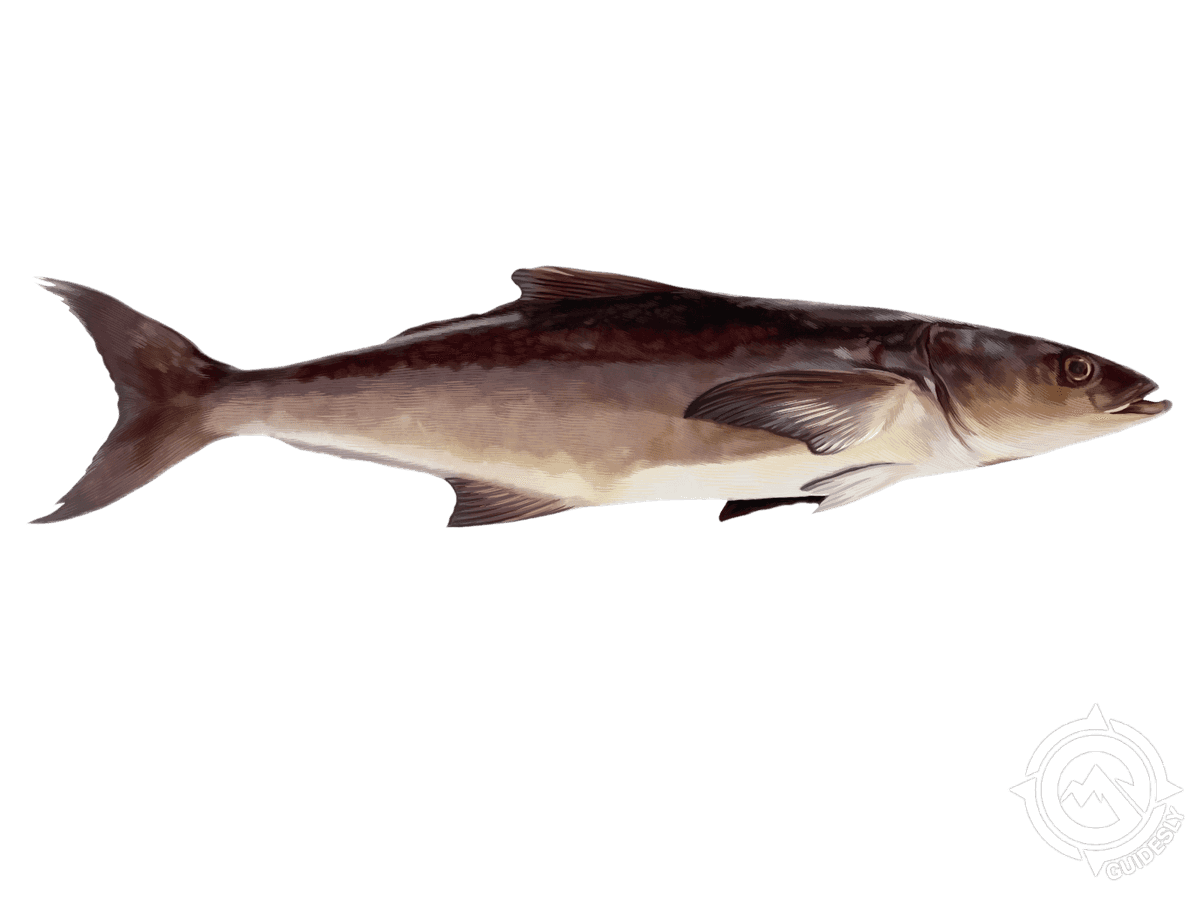
Cobia
Cobia are like the sharks of the inshore world - big, brown, and powerful. These bruisers average 20-40 pounds around here, with 50+ pounders showing up regularly. You'll find them cruising around structure like buoys, wrecks, and channel markers, usually in 15-50 feet of water. They're often alone, not in schools. Spring migration from March to May gives you the best shot at them, especially when water temps hit the mid-70s. Cobia are prized for two things: their incredible fight and outstanding table fare. They're aggressive predators that'll eat big baits and make long, powerful runs. The meat is firm and white, almost like mahi. What's unique is sight fishing for them - you'll often spot them just under the surface looking like small sharks. My favorite technique is throwing a large bucktail jig when you see one. Cast past them and work it back slowly. Once they see it, they usually commit hard.
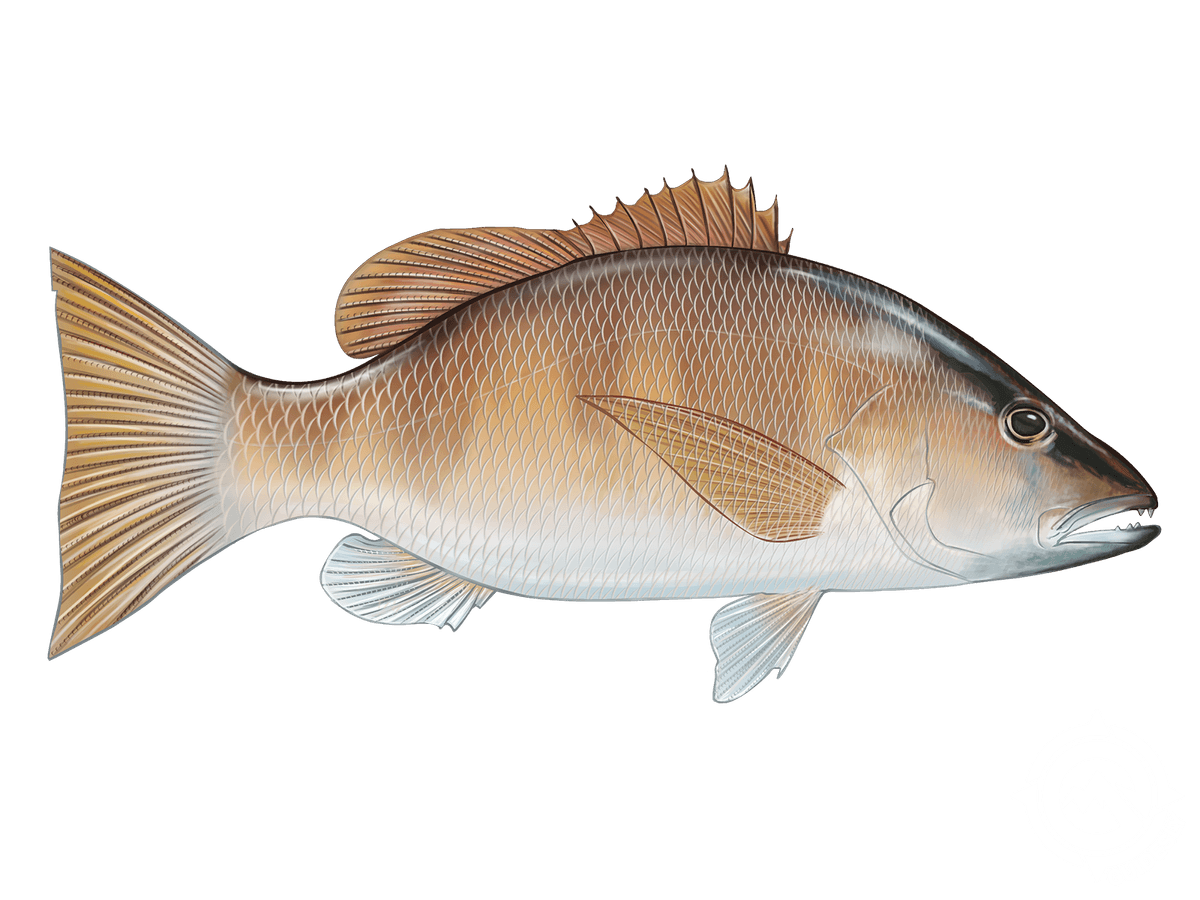
Grey Snapper
Also called mangrove snapper, these greyish-red fish are some of the smartest and most challenging to catch around here. They typically run 12-16 inches inshore, though you'll occasionally hook into a 3-4 pounder that'll surprise you. Grey snapper love structure - docks, mangroves, rocks, and any kind of cover where they can ambush prey. They're opportunistic feeders that hunt mostly at night, but you can catch them during the day if you're patient. Best fishing is late spring through early fall when water temps are warmest. What guests love about them is the challenge - they're notorious bait stealers that require finesse. But land one and you've got some of the best eating fish in the Gulf with sweet, flaky white meat. My advice: use a 4J hook with live shrimp hooked through the tail, let it sink to bottom, then reel up just a bit. No jerky movements - let them take it.
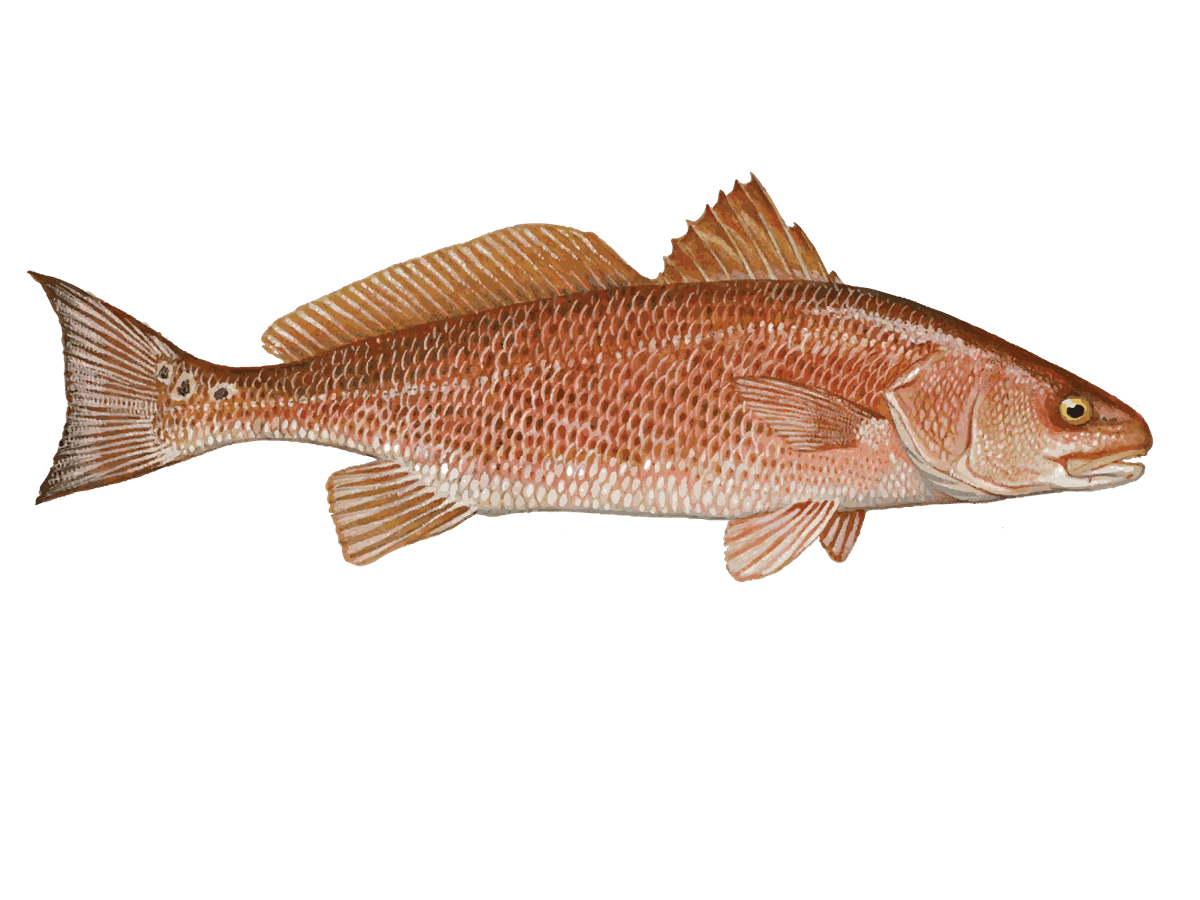
Redfish
Redfish, or red drum, are the bread and butter of our inshore fishing. These copper-colored beauties with distinctive black spots near the tail typically run 18-27 inches in our shallow waters. They love cruising grass flats, oyster bars, and mangrove shorelines in just 1-4 feet of water - so shallow their backs sometimes show. Year-round fishing is good, but fall and spring offer the most consistent action when they school up. Redfish are special because they eat almost anything and fight hard with powerful runs. They're also excellent table fare with mild, sweet meat that grills perfectly. What's really cool is sight fishing for them in skinny water - you can actually see them tailing and cruising. Here's my go-to technique: throw a topwater plug early morning over shallow grass. Work it slow with long pauses. When they blow up on it, the strike is explosive and you'll never forget it.
Snook
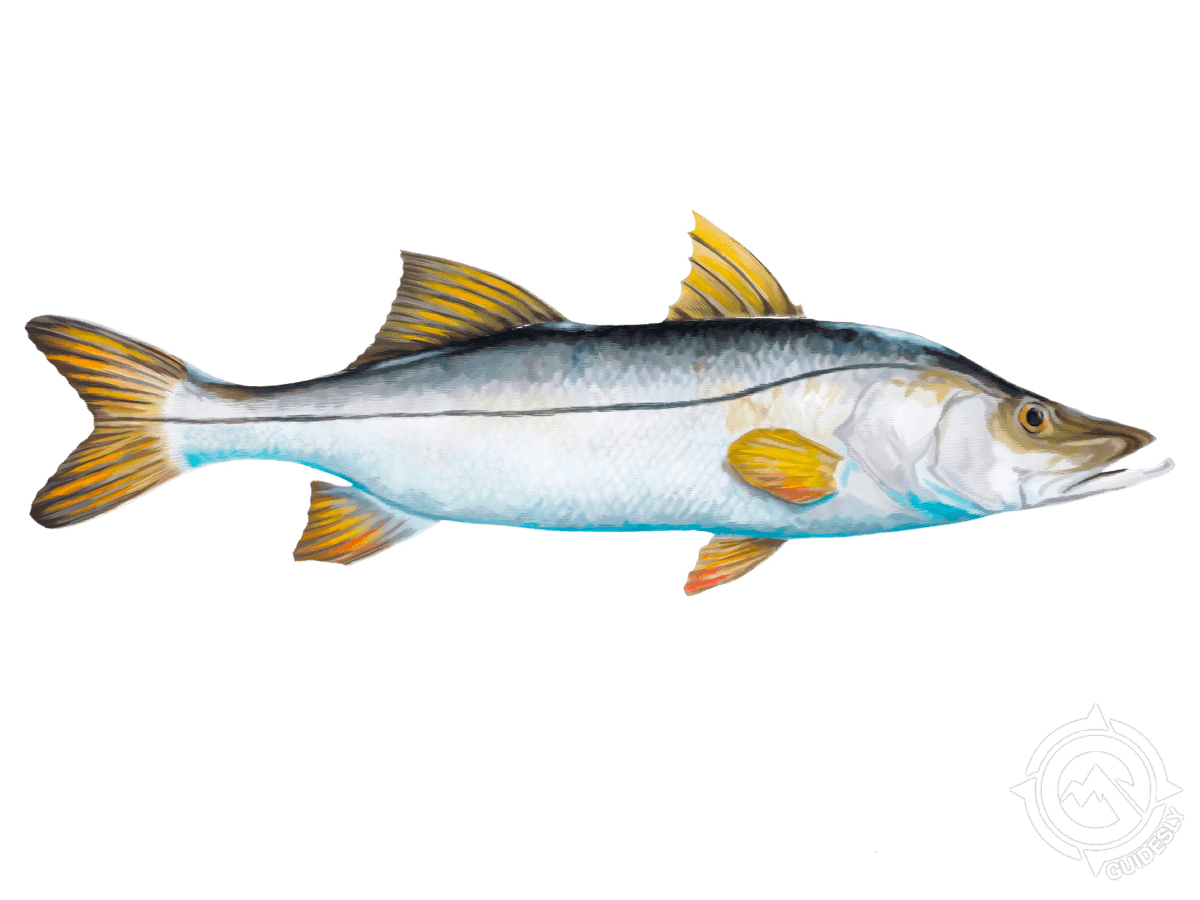
Snook are one of the most sought-after fish in these waters, and for good reason. These sleek, golden-colored fish with that distinctive black lateral line typically run 18-28 inches around Port Richey, though the big ones can push 30+ inches. They love hanging around mangroves, docks, and creek mouths where they ambush baitfish. You'll find them in everything from shallow backcountry creeks to deeper passes, especially where fresh water meets salt. Spring through fall gives you the best action, particularly around moving tides at dawn and dusk. What makes snook special is their explosive strike and acrobatic fight - they'll jump and run like crazy. Plus, they're excellent eating with firm, white meat. Here's a tip: when fishing around structure, let your bait sink naturally rather than working it aggressively. Snook are ambush predators and often hit on the fall.
Tarpon
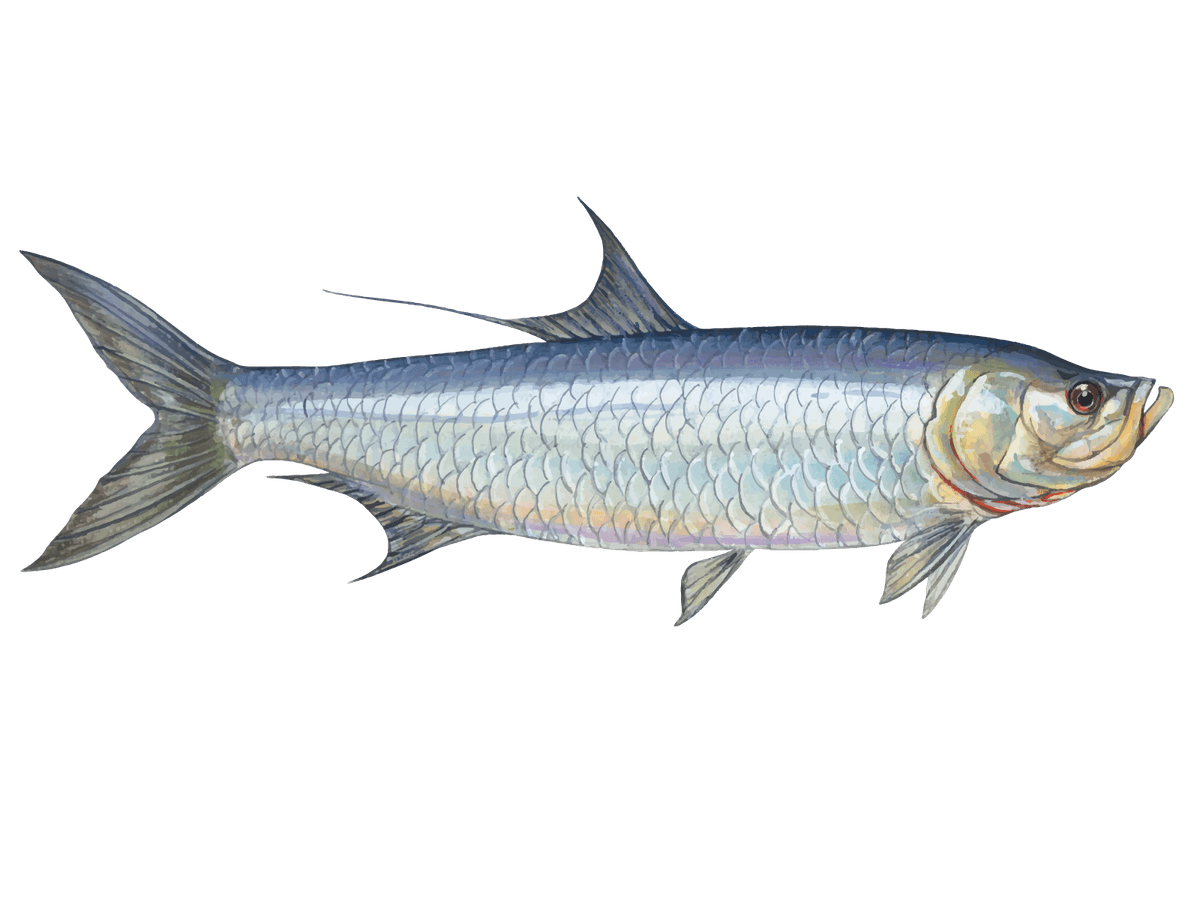
The silver king is what fishing dreams are made of. These prehistoric giants average 80-120 pounds around here, but we see them up to 150+ pounds during peak season. Tarpon love our shallow bays, channels, and grass flats in 3-20 feet of water, often rolling on the surface. Best action runs May through August when they migrate through, especially on moving tides around dawn and dusk. What makes tarpon special isn't the eating - most folks release them - it's the fight. When hooked, they'll launch 6+ feet out of the water in spectacular jumps that'll get your heart racing. These battles can last 30 minutes or more. The thrill is pure adrenaline. They're also ancient fish that can live 50+ years, so every one is special. Pro tip: when they jump, bow to the king - point your rod tip at the fish to give slack and prevent them from throwing the hook. It takes practice but saves fish.
About the Sports Coast Inshore Charters
%2F%2Fusers%2Fcd7f057a-4f6e-440b-a115-9f6203d0cdc7%2Fvehicle_picture%2F67891147_108805460463655_970830907189493760_n-mllxwxp2.jpg&w=1200&q=75)
Vehicle Guest Capacity: 4
Manufacturer Name: Yamaha
Maximum Cruising Speed: 45
Number of Engines: 1
Horsepower per Engine: 250