%2Ffit-in%2F250x250%2Fguide_websites%2F119357%2Fimages%2F1771060589629305768235_591808822667736_4251670508769787084_n.jpg&w=1200&q=100)
/users/cd7f057a-4f6e-440b-a115-9f6203d0cdc7/ratecard/23-mlm2mh8h.jpg)
%2F300x300%2Fusers%2Fcd7f057a-4f6e-440b-a115-9f6203d0cdc7%2Fratecard%2F23-mlm2mh8h.jpg&w=256&q=75)
%2F300x300%2Fusers%2Fcd7f057a-4f6e-440b-a115-9f6203d0cdc7%2Fimages%2Fanglers-reel-great-haul-2698.jpg&w=256&q=75)
%2F300x300%2Fusers%2Fcd7f057a-4f6e-440b-a115-9f6203d0cdc7%2Fimages%2Fsheepshead-hudson-fishing-2620.jpg&w=256&q=75)
%2F300x300%2Fusers%2Fcd7f057a-4f6e-440b-a115-9f6203d0cdc7%2Fimages%2Ftwo-sheepshead-hudson-fishing-3111.jpg&w=256&q=75)
%2F300x300%2Fusers%2Fcd7f057a-4f6e-440b-a115-9f6203d0cdc7%2Fimages%2Fsnook-fishing-hudson-2558.jpg&w=256&q=75)
%2F300x300%2Fusers%2Fcd7f057a-4f6e-440b-a115-9f6203d0cdc7%2Fimages%2Fspotted-weakfish-florida-fishing-2613.jpg&w=256&q=75)
%2F300x300%2Fusers%2Fcd7f057a-4f6e-440b-a115-9f6203d0cdc7%2Fimages%2Ffishing-hudson-river-2655.jpg&w=256&q=75)
%2F300x300%2Fusers%2Fcd7f057a-4f6e-440b-a115-9f6203d0cdc7%2Fimages%2Ffishing-hudson-waterfront-2736.jpg&w=256&q=75)
%2F300x300%2Fusers%2Fcd7f057a-4f6e-440b-a115-9f6203d0cdc7%2Fimages%2Fspotted-weakfish-hudson-fishing-2855.jpg&w=256&q=75)
%2F300x300%2Fusers%2Fcd7f057a-4f6e-440b-a115-9f6203d0cdc7%2Fimages%2Fgag-grouper-fishing-hudson-2677.jpg&w=256&q=75)
%2F300x300%2Fusers%2Fcd7f057a-4f6e-440b-a115-9f6203d0cdc7%2Fimages%2Fredfish-caught-hudson-2649.jpg&w=256&q=75)
Hudson FL Night Fishing Charter Sports Coast
 Hudson FL
What you will be catching:
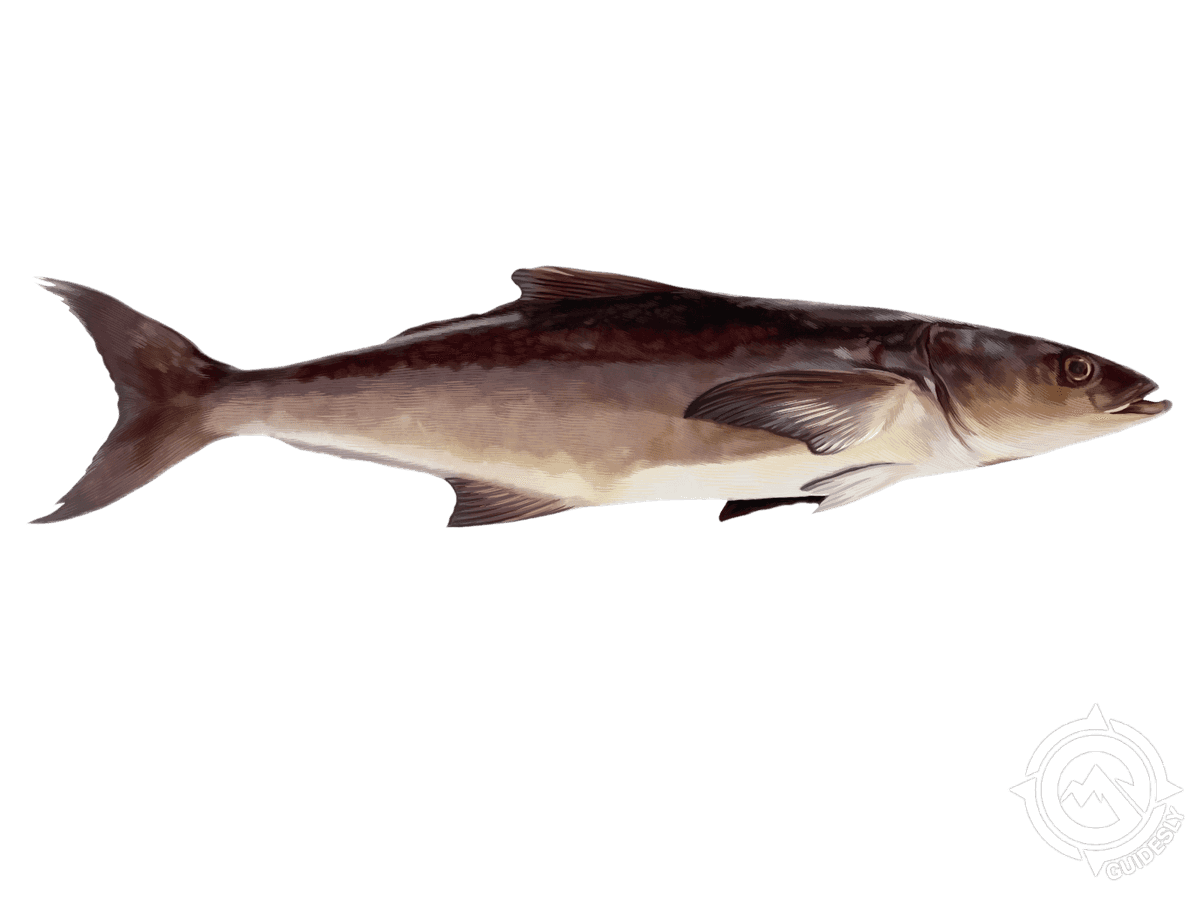
 Cobia
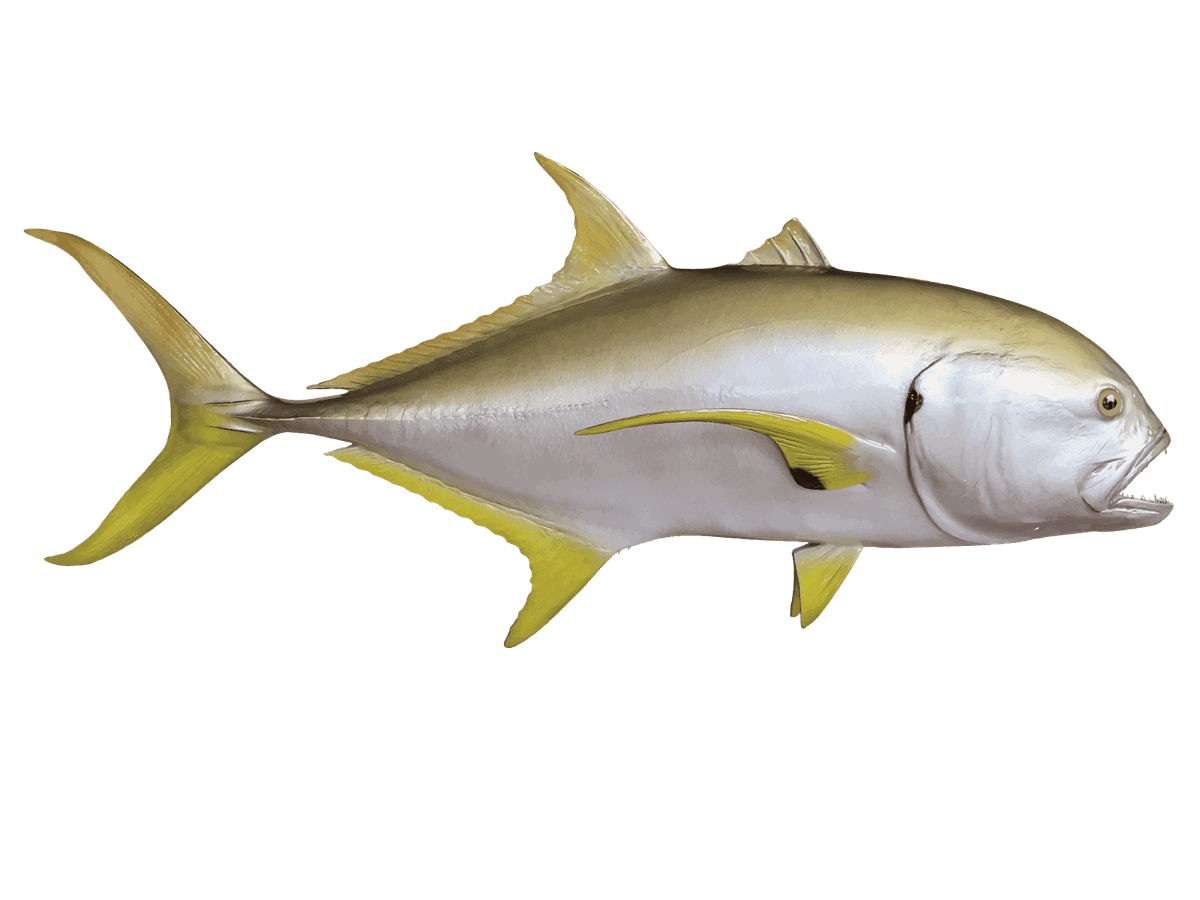
Cobia Crevalle Jack
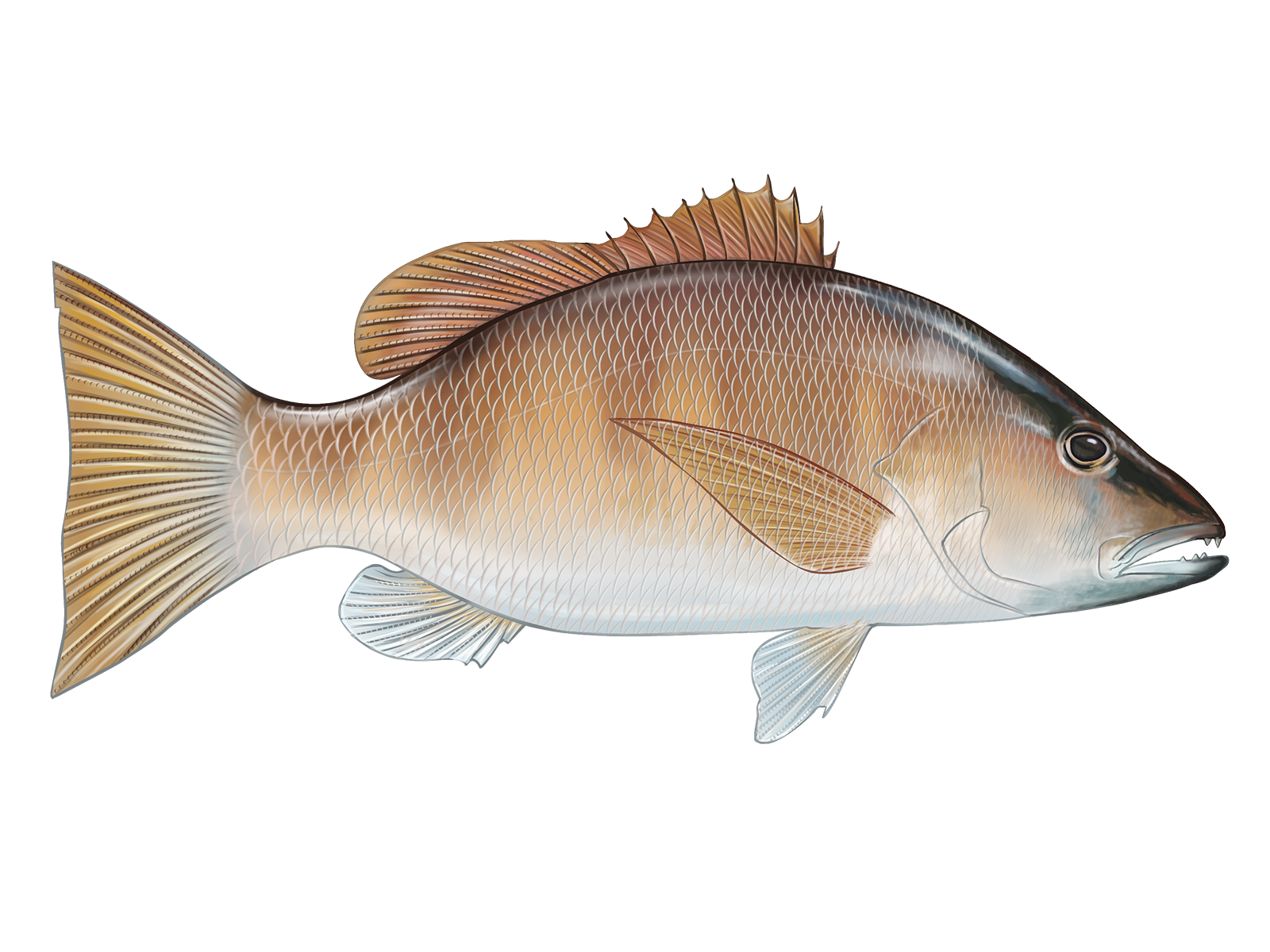 Grey Snapper
 Snook
Snook Tarpon
- Four-hour private night charter for up to two anglers
- Target snook, tarpon, redfish using specialized low-light techniques
- All equipment, bait, and fishing licenses included in package
Trip Pricing and Availabilities:
Trip pricing information is temporarily unavailable.
Hudson FL 4 Hour Night Fishing Charter
When the sun sets over Hudson's waters, that's when the real action begins. This four-hour night fishing charter puts you right where the fish are feeding after dark – and trust me, it's a completely different world out there. You'll be fishing prime inshore spots where Snook, Tarpon, Redfish, and more come alive in the cooler evening temperatures. With all gear, bait, and licenses included, you just need to show up ready for some serious fishing. This private charter accommodates up to five guests, so bring your crew for an evening they won't forget on Florida's Nature Coast.
What to Expect on the Water
Night fishing is a whole different beast, and that's exactly what makes it so addictive. As daylight fades, the water temperature drops and baitfish start moving, which gets the predators fired up. We'll be targeting structure and feeding areas where fish feel safe to hunt in the darkness. The atmosphere is calm and focused – no weekend boat traffic, just you, your group, and some of the best fishing Hudson has to offer. This isn't a rushed trip; we take our time to work each spot methodically, adjusting our approach based on tide movement and fish activity. You'll experience the peaceful side of inshore fishing while still getting plenty of action once we find where the fish are staging.
Techniques and Tackle
We'll be using light tackle adjusted specifically for low-light conditions, which means more sensitivity to feel those subtle bites and better control when fighting fish in the dark. Depending on what we're targeting and where the fish are holding, we'll switch between bottom fishing around structure, trolling through feeding lanes, and both spinning and fly techniques. The key to successful night fishing is adapting to what the fish are doing – sometimes they want bait sitting still on the bottom near a dock or bridge, other times they're actively chasing schools of pilchards in open water. All rods, reels, tackle, and fresh bait are provided, plus we've got the lighting setup to help you see what you're doing without spooking the fish. The tackle is specifically chosen for the species we're targeting, so you'll have the right gear for everything from feisty Jacks to powerful Tarpon.
Top Catches This Season
Snook are the crown jewel of night fishing around Hudson, and for good reason. These ambush predators love to hunt in low light, positioning themselves near structure like docks, mangroves, and bridge pilings where they can surprise unsuspecting baitfish. They're most active during the warmer months from spring through fall, and a good-sized Snook will give you a fight you won't forget – they're known for their explosive strikes and acrobatic jumps. What makes them so exciting is their unpredictability; one minute you're quietly working a dock line, the next you're fighting a 20-pound fish that's trying to wrap your line around every piling in sight.
Grey Snapper become much more aggressive feeders after dark, moving up from deeper water to hunt around structure and grass flats. These fish are excellent table fare and put up a solid fight for their size. During summer months, you'll find them in good numbers around rocky areas and hard bottom, and they're particularly active on moving tides. They're smart fish that can be finicky during daylight hours, but night fishing gives you a real advantage since they let their guard down to feed.
Tarpon are the ultimate game fish, and Hudson's waters see good numbers during their seasonal migrations. These silver kings can range from juvenile fish in the 10-30 pound range up to giants over 100 pounds. Night fishing for Tarpon is special because they often feed more aggressively in cooler temperatures, and you'll hear them rolling and crashing bait on the surface. When you hook one, be ready for multiple jumps and long runs – it's pure adrenaline. Peak season runs from late spring through summer, with the best action often happening around new and full moon phases.
Crevalle Jack are the bulldogs of the inshore waters, and they're incredibly fun on light tackle. These powerful fish hunt in schools and when you find them, the action can be non-stop. They're available year-round but are most active during warmer months. Jacks are known for their brute strength and stubborn fighting style – they'll just put their head down and pull. Night fishing gives you access to bigger fish that often stay in deeper water during the day.
Cobia are the wild cards of this fishery – you never know when one might show up. These fish are curious and aggressive, often following rays and sharks around the flats. They're excellent eating and can reach impressive sizes, with fish over 30 pounds not uncommon. Spring and fall are prime times, and night fishing can be very productive since they're active hunters in low light conditions. When you hook a Cobia, expect a strong, steady fight with powerful runs.
Time to Book Your Spot
Night fishing around Hudson offers something you just can't get during busy daytime hours – peace, focus, and fish that are actually hungry and feeding. This four-hour charter gives you enough time to really get into the rhythm of night fishing while targeting some of the best species the Nature Coast has to offer. With all gear and licenses included, plus a private boat for your group, it's the perfect way to experience inshore fishing from a completely different perspective. The $500 price point for up to five guests makes it an affordable option for groups looking for a top-rated fishing experience. Remember that deposits are non-refundable, so plan accordingly, but trust me – once you experience night fishing done right, you'll be planning your next trip before this one's over.
Learn more about the animals
Cobia
Cobia are premium targets - big, brown, shark-looking fish that can reach 40+ pounds in our area. These solitary hunters cruise around structure like channel markers, wrecks, and deep flats, often near the surface where you can sight-fish them. Spring through fall is peak season when they're most active, especially during their migration periods. What makes cobia special is the combination of size, fight, and incredible table fare - firm, white meat that rivals any fish in the Gulf. They're curious fish that will often follow the boat, giving you multiple shot opportunities. You'll typically find them in 20-60 feet around structure, though they'll move shallow to feed. Here's the key to success: when you spot a cobia, don't rush the cast. They're not spooky, so take your time, lead them properly, and use a bucktail jig or live bait presented right in front of their nose.
Crevalle Jack
Crevalle jacks are the bulldogs of the flats - aggressive, hard-fighting fish that'll test your tackle and your arms. These brassy-colored bruisers typically run 3-15 pounds around here, with broad shoulders and serious attitude. Look for them around structure, channels, and anywhere baitfish are getting pushed to the surface - watch for diving birds as a dead giveaway. They're year-round residents but really turn on during warmer months and at night when they hunt in packs. What makes jacks so popular is their willingness to hit almost anything and their never-quit fighting style. They'll make multiple runs and use every trick to break you off. The meat's not great, so most folks release them, but the fight is what you're after. Pro tip: when you see a school feeding, cast past them and retrieve fast - jacks love the chase and aggressive movement triggers explosive strikes.
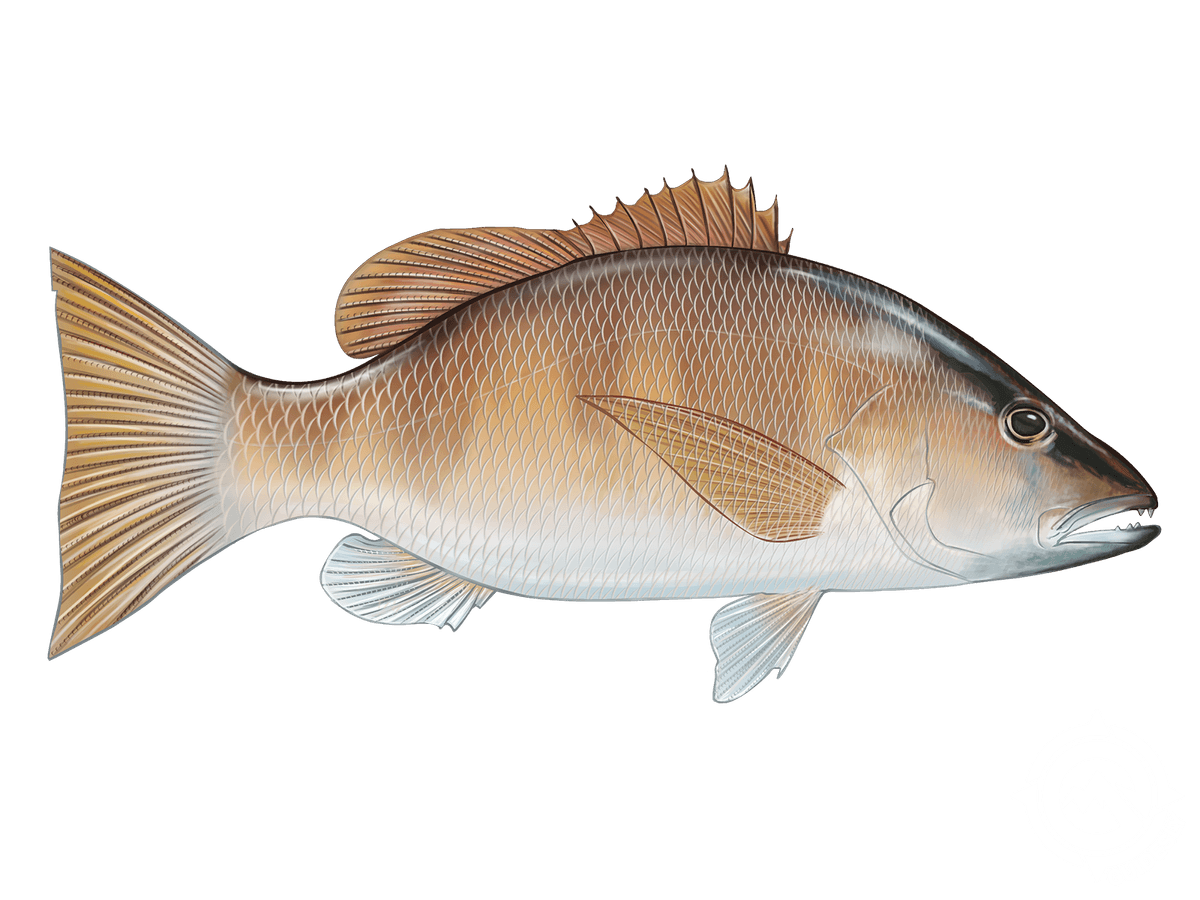
Grey Snapper
Grey snapper, or mangrove snapper as most folks call them, are perfect nighttime targets that love hanging around structure. These reddish-grey fish with the dark eye stripe usually run 1-2 pounds inshore, but don't be surprised if you hook into a 4-pounder around deeper structure. They're opportunistic feeders that get much more active after sunset, making them ideal for our night trips. You'll find them around docks, rocks, and anywhere there's cover in 10-30 feet of water. What guests love about mangrove snapper is they're scrappy fighters for their size and absolutely delicious - firm, white, flaky meat that's hard to beat. They can be finicky though, so here's the key: once your bait hits bottom, reel up just a turn or two to keep it off the structure but still in their zone. Too much movement spooks them, so let it sit and wait for that subtle tap.
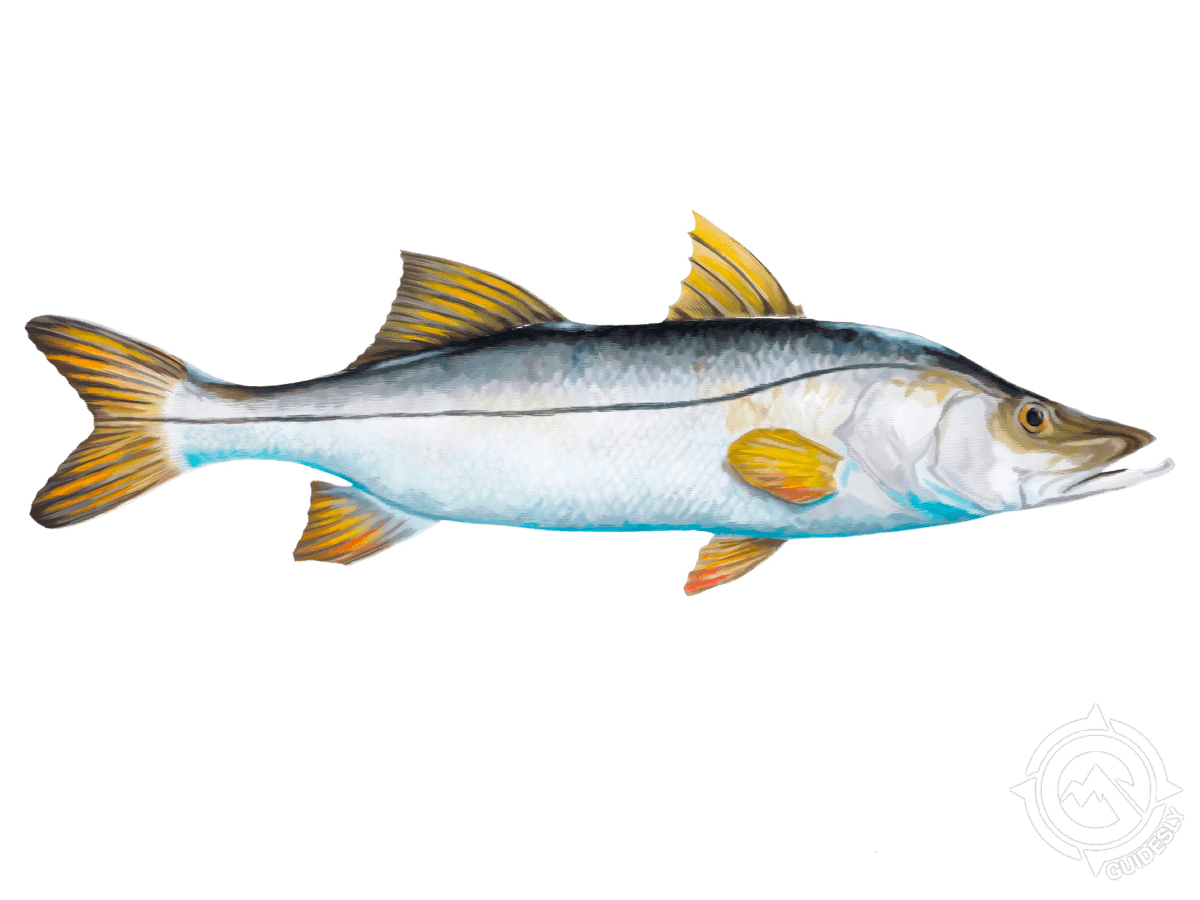
Snook
Snook are one of our most prized inshore targets, especially during night trips when they're most active. These sleek fish with that distinctive black lateral line typically run 1-3 feet long around here, though you might hook into something pushing 4 feet if you're lucky. They love hanging around docks, mangroves, and any kind of structure where they can ambush baitfish. Night fishing is prime time since they become much more aggressive feeders after dark. What makes snook special is their explosive strike and acrobatic fight - they'll make blistering runs and try to cut your line on whatever structure they can find. Plus they're excellent table fare with firm, white meat. Here's a local trick: when you're fishing around lights at night, cast your bait just outside the lit area where snook wait to ambush prey moving through the light.
Tarpon
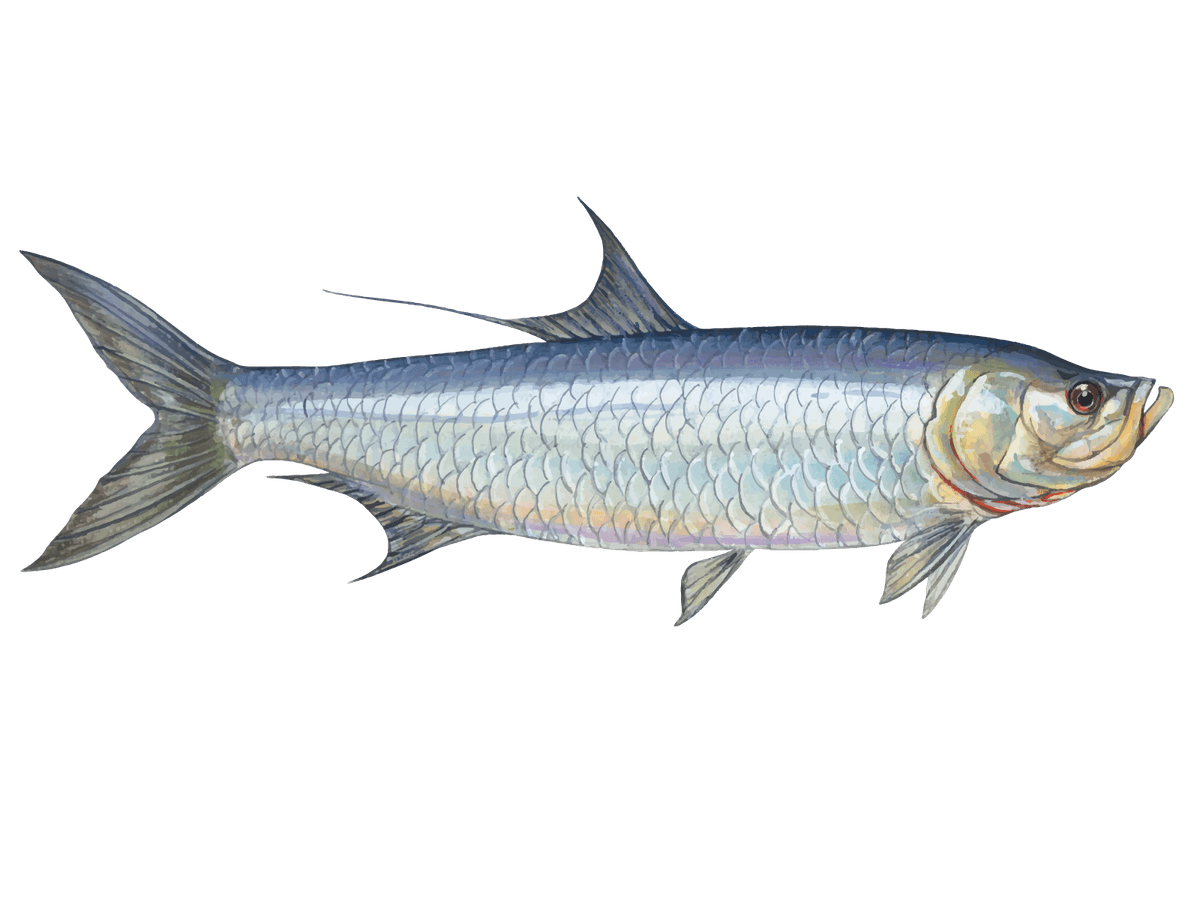
Tarpon are the ultimate gamefish challenge - silver kings that can reach 6+ feet and over 100 pounds in our waters. These prehistoric fish become much more active at night, rolling and feeding around bridges, channels, and deeper flats. Spring through fall is prime season, with warmer months being best. What makes tarpon fishing so special isn't the eating - they're all catch and release - but the fight. When a tarpon takes your bait, you're in for multiple jumps, blistering runs, and a battle that can last an hour. They're found in shallow coastal waters, often following bait schools around structure. The acrobatic display when they're hooked is something you'll never forget. Here's a key tip for landing one: when a tarpon jumps, bow to the king - drop your rod tip toward the fish to give slack and prevent them from throwing the hook on their aerial display.
About the Sports Coast Inshore Charters
%2F%2Fusers%2Fcd7f057a-4f6e-440b-a115-9f6203d0cdc7%2Fvehicle_picture%2F67891147_108805460463655_970830907189493760_n-mllxwxp2.jpg&w=1200&q=75)
Vehicle Guest Capacity: 4
Manufacturer Name: Yamaha
Maximum Cruising Speed: 45
Number of Engines: 1
Horsepower per Engine: 250