%2Ffit-in%2F250x250%2Fguide_websites%2F119357%2Fimages%2F1771060589629305768235_591808822667736_4251670508769787084_n.jpg&w=1200&q=100)
/users/cd7f057a-4f6e-440b-a115-9f6203d0cdc7/ratecard/9-mlm16w3c.jpg)
%2F300x300%2Fusers%2Fcd7f057a-4f6e-440b-a115-9f6203d0cdc7%2Fratecard%2F9-mlm16w3c.jpg&w=256&q=75)
%2F300x300%2Fusers%2Fcd7f057a-4f6e-440b-a115-9f6203d0cdc7%2Fimages%2Fanglers-reel-great-haul-2698.jpg&w=256&q=75)
%2F300x300%2Fusers%2Fcd7f057a-4f6e-440b-a115-9f6203d0cdc7%2Fimages%2Fsheepshead-hudson-fishing-2620.jpg&w=256&q=75)
%2F300x300%2Fusers%2Fcd7f057a-4f6e-440b-a115-9f6203d0cdc7%2Fimages%2Ftwo-sheepshead-hudson-fishing-3111.jpg&w=256&q=75)
%2F300x300%2Fusers%2Fcd7f057a-4f6e-440b-a115-9f6203d0cdc7%2Fimages%2Fsnook-fishing-hudson-2558.jpg&w=256&q=75)
%2F300x300%2Fusers%2Fcd7f057a-4f6e-440b-a115-9f6203d0cdc7%2Fimages%2Fspotted-weakfish-florida-fishing-2613.jpg&w=256&q=75)
%2F300x300%2Fusers%2Fcd7f057a-4f6e-440b-a115-9f6203d0cdc7%2Fimages%2Ffishing-hudson-river-2655.jpg&w=256&q=75)
%2F300x300%2Fusers%2Fcd7f057a-4f6e-440b-a115-9f6203d0cdc7%2Fimages%2Ffishing-hudson-waterfront-2736.jpg&w=256&q=75)
%2F300x300%2Fusers%2Fcd7f057a-4f6e-440b-a115-9f6203d0cdc7%2Fimages%2Fspotted-weakfish-hudson-fishing-2855.jpg&w=256&q=75)
%2F300x300%2Fusers%2Fcd7f057a-4f6e-440b-a115-9f6203d0cdc7%2Fimages%2Fgag-grouper-fishing-hudson-2677.jpg&w=256&q=75)
%2F300x300%2Fusers%2Fcd7f057a-4f6e-440b-a115-9f6203d0cdc7%2Fimages%2Fredfish-caught-hudson-2649.jpg&w=256&q=75)
Holiday FL 4 Hour Sports Coast Inshore Charter
 Hudson FL
What you will be catching:
 Cobia
Cobia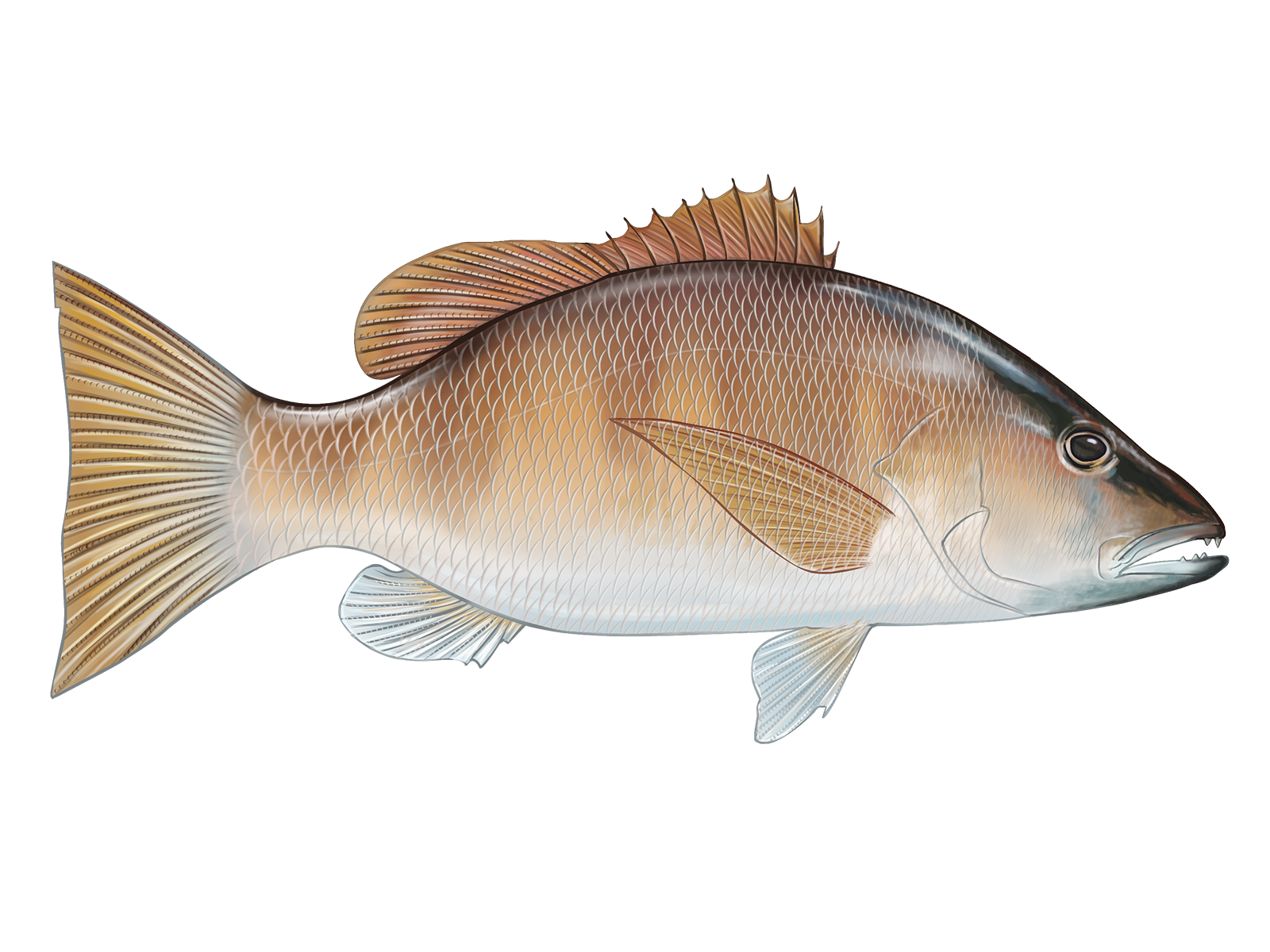 Grey Snapper
 Redfish
 Snook
Snook Tarpon
- Four-hour inshore charter targeting cobia, snook, tarpon, redfish, and seatrout
- Light tackle techniques with flexible approaches based on tides and structure
- All gear, bait, and licenses included for relaxed beginner-friendly experience
Trip Pricing and Availabilities:
Trip pricing information is temporarily unavailable.
Holiday FL 4 Hour Inshore Fishing Charter
Looking for a solid half-day fishing trip that won't break the bank or eat up your whole vacation? This four-hour inshore charter out of Holiday, Florida is exactly what you need. Captain and crew know these waters like the back of their hand, and they're not interested in wasting time running around aimlessly. You'll launch from Baillies Bluff Road and spend your time fishing the productive inshore and nearshore spots where fish actually live, not just the postcard-pretty areas that look good but fish poorly. At $500 for up to two people, it's a sweet deal for couples or fishing buddies who want quality time on the water without the crowd.
What to Expect on the Water
This isn't some cookie-cutter trip where everyone does the same thing regardless of conditions. Your captain reads the water, checks the tides, and adjusts the game plan accordingly. Some days that means working the grass flats for redfish, other days you might find yourself casting around structure for snook or working the edges for tarpon. The beauty of a four-hour window is there's enough time to try different techniques and spots without feeling rushed, but it's not so long that you're exhausted by the end. Perfect for beginners who want to learn without information overload, or experienced anglers who appreciate a focused approach. The vibe is relaxed and hands-on – your captain wants you to catch fish, but they're also happy to teach you why certain spots work and others don't.
Gear & Techniques
Everything's included, so you can show up with just your sunglasses and enthusiasm. Light tackle is the name of the game here, which means more fun when you hook up but also requires a bit more finesse. You'll use spinning gear, bottom rigs, and depending on what's biting, maybe some fly tackle if you're interested. Trolling comes into play when covering water or targeting specific species like cobia that cruise the flats. The captain brings all the bait – live, dead, and artificial depending on what the fish want that day. Licenses are covered too, which is one less thing to worry about. The boat's rigged for inshore work, meaning it can get into skinny water where the big fish hide, but it's also comfortable enough that you're not cramped or constantly getting soaked.
Species You'll Want to Hook
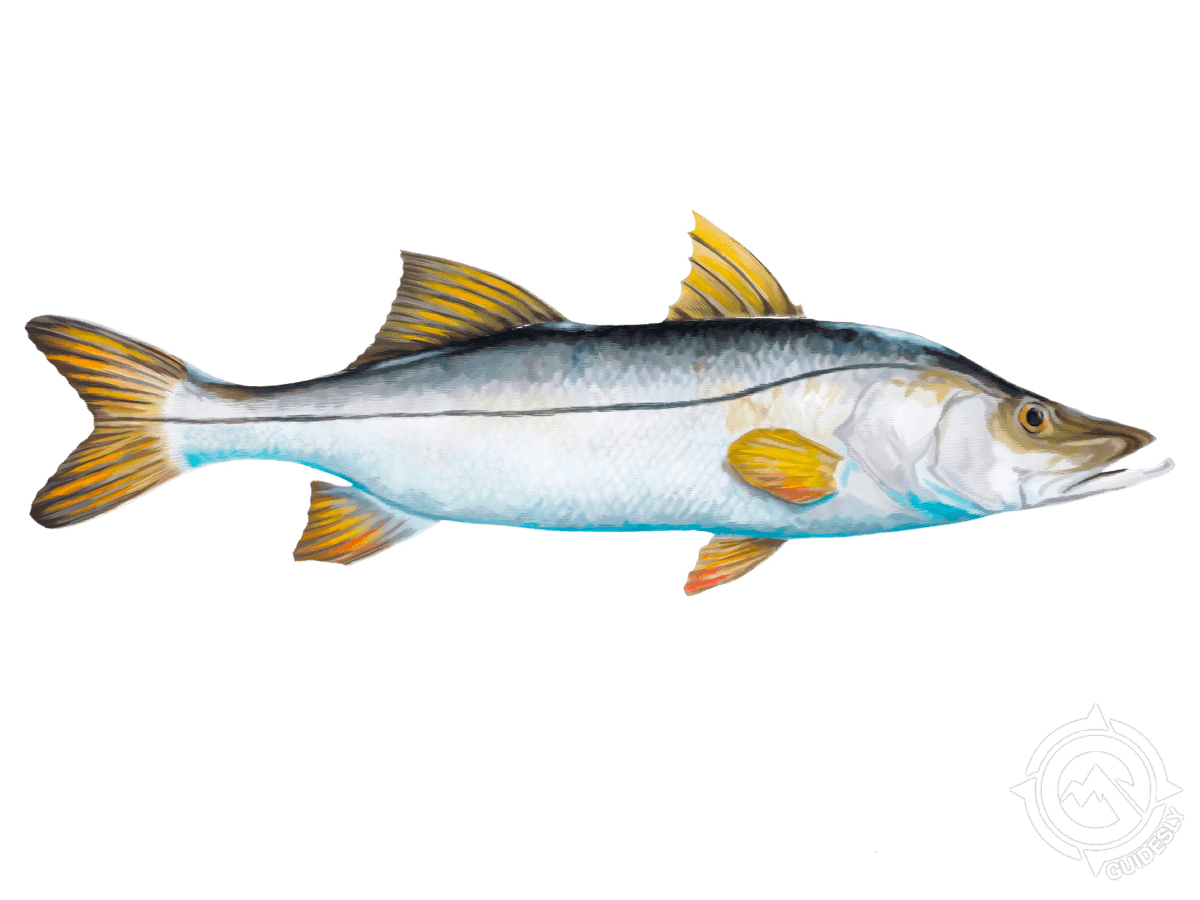
Snook are the crown jewel of Florida inshore fishing, and Holiday's waters hold some beauties. These ambush predators love structure – docks, mangroves, bridges – anywhere they can hide and wait for an easy meal. Best times are dawn and dusk when they're actively feeding, though you can catch them all day if you know where to look. They're notorious for their gill-rattling jumps and that distinctive black lateral line. Size-wise, anything over 28 inches is a keeper, but the real trophy fish run 35+ inches. What makes them special is the fight – they're smart, strong, and they know how to use structure to their advantage.
Grey snapper might not get the glory of their bigger cousins, but they're scrappy fighters and excellent table fare. These guys school up around hard bottom, artificial reefs, and rocky areas in 15-40 feet of water. They're year-round residents, though they're most active during warmer months. The trick with mangroves is getting your bait down quickly before the smaller fish steal it, and being ready for that initial run when a good one grabs hold. Most fish run 12-16 inches, but the occasional 20+ inch fish will surprise you. They're perfect for beginners because they bite readily, but they still require some skill to land consistently.
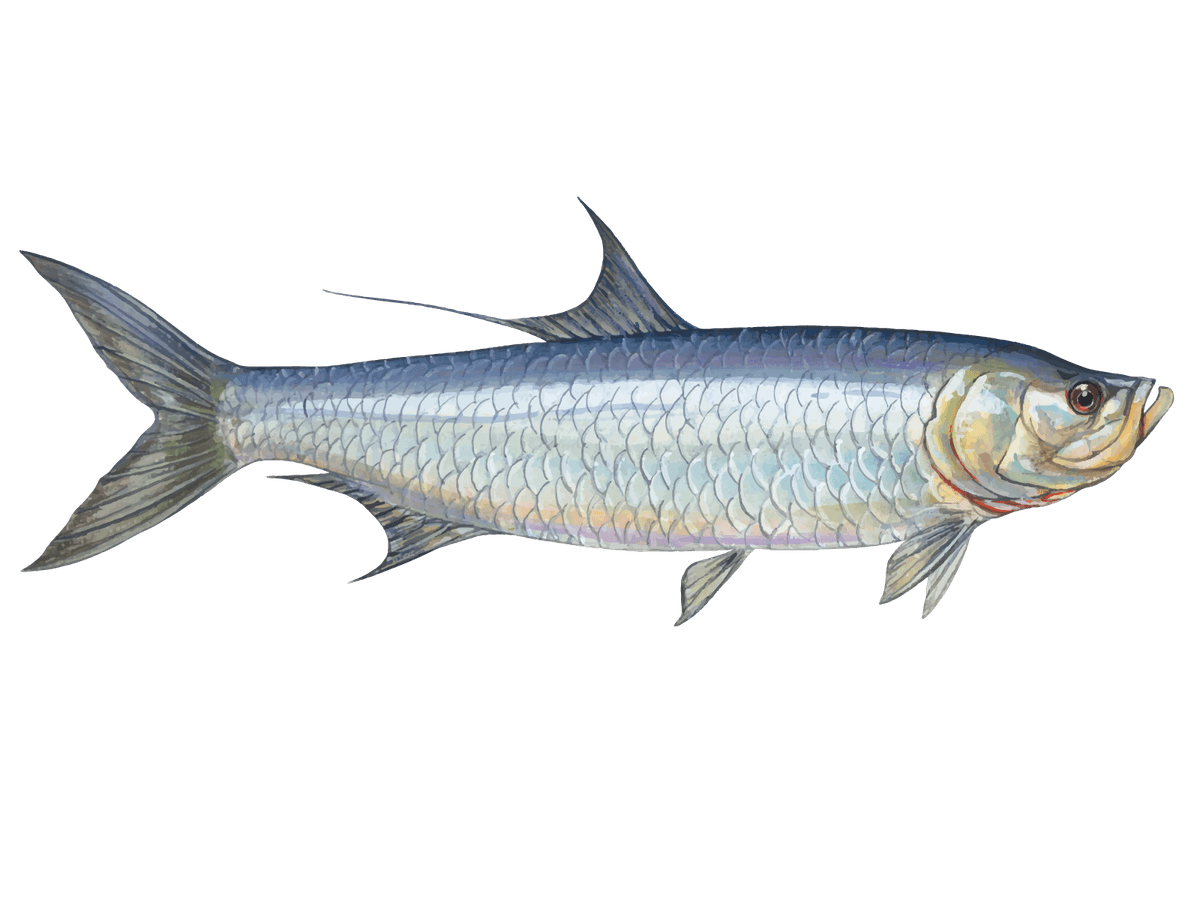
Tarpon are the silver kings for good reason – pure adrenaline on a fishing rod. Holiday's waters see both resident fish and migratory schools depending on the season. May through August is prime time when the big schools move through, but smaller resident fish are around most of the year. These fish are all about the fight, not the table – catch, photo, release is the standard practice. When a 100+ pound tarpon goes airborne six feet from your boat, you'll understand why people get addicted to this fishery. They're tough to hook and even tougher to land, with a success rate that keeps things interesting.
Redfish are the working angler's fish – consistent, hard-fighting, and found in a variety of habitats around Holiday. These copper-colored bruisers love shallow water, grass flats, and oyster bars. The best part about reds is their predictability; if you find good water, there are usually fish. They're sight-fishing targets in shallow water, which adds an exciting visual element to the experience. Slot fish (18-27 inches) are excellent eating, while the oversized bulls are pure muscle and perfect for photos. Fall and spring offer the best action, but you can find them year-round if you know where to look.
Cobia are the wildcards of Holiday's inshore scene – big, curious, and always a pleasant surprise. These brown sharks (as they're sometimes called) cruise the flats and nearshore waters, often following rays or just wandering around looking for an easy meal. Spring migration brings the best numbers, but resident fish can show up anytime. What makes cobia special is their personality – they'll often follow the boat, circle baits, and generally act more like a curious dog than a typical fish. They're excellent fighters and even better eating, with firm white meat that's hard to beat.
Time to Book Your Spot
Four hours on Holiday's inshore waters with everything included for $500 is tough to beat, especially with a captain who actually cares about putting you on fish. Whether you're new to saltwater fishing or just want a relaxed day without the pressure of a longer trip, this charter delivers. The variety of species keeps things interesting, the techniques keep you learning, and the results speak for themselves. Keep in mind that deposits are non
Learn more about the species
Cobia
Cobia are one of our most prized catches - think of them as the bulldogs of the Gulf. These dark brown, shark-looking fish average 30-50 pounds around Holiday, but we regularly see them pushing 60-80 pounds. They're loners that cruise near structure like buoys, wrecks, and channel markers in 15-50 feet of water. Spring migration from March through May offers our best shot, followed by summer when they hang around deeper reefs. What makes cobia special is their curious nature - they'll actually swim up to the boat to investigate - and their incredible fight that combines power with endurance. They're also phenomenal table fare, often called the poor man's lobster for their firm, sweet meat. Here's the trick: when you spot a cobia, resist the urge to cast immediately. Let them come closer and get a good look at the boat first - they're naturally curious and this patience often leads to an easy hookup.
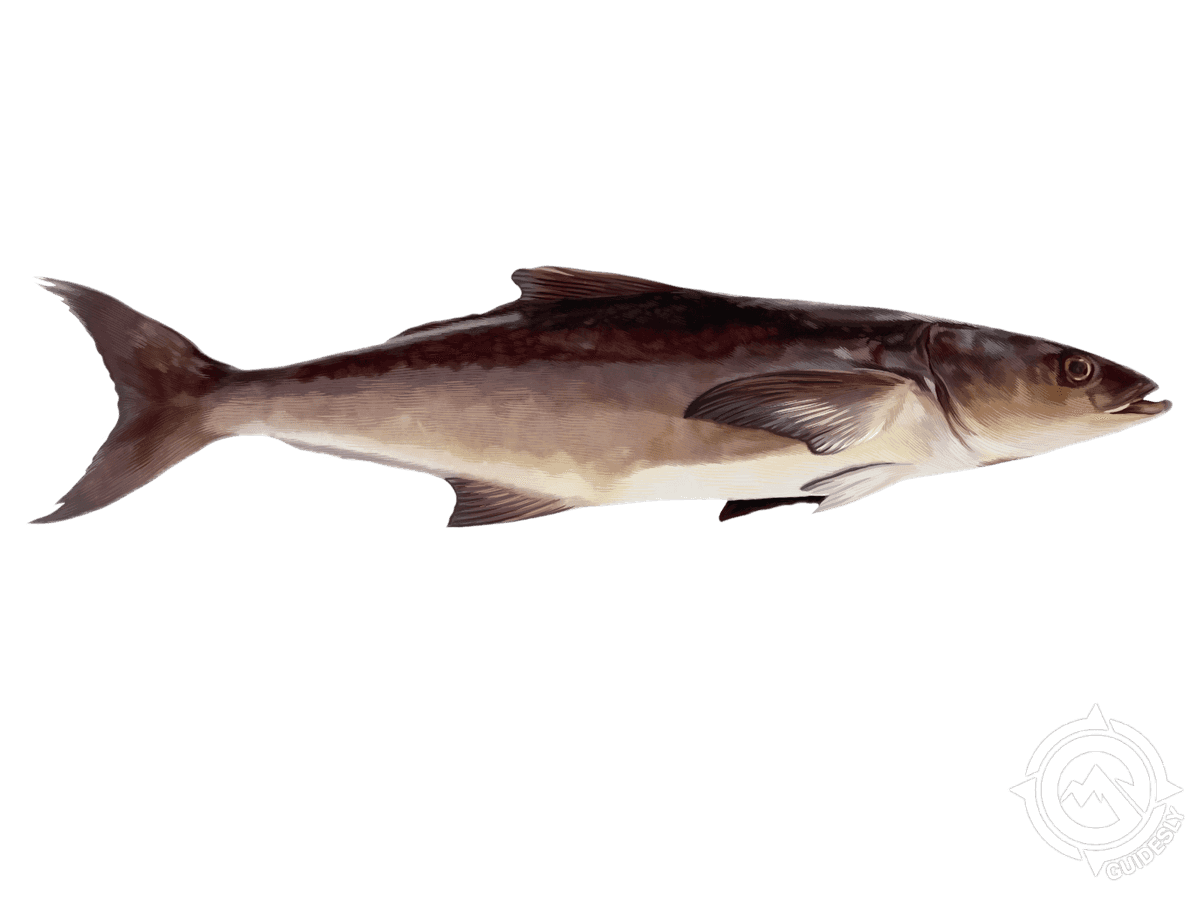
Grey Snapper
Grey snappers, or mangrove snappers as locals call them, are smart, scrappy fish that keep things interesting. Around Holiday, they average 12-16 inches and 1-2 pounds, though we occasionally hook bigger ones pushing 4-5 pounds near structure. These copper-red colored fish with that dark eye stripe love docks, bridges, mangrove shorelines, and rocky bottom in 5-20 feet of water. They bite year-round but really turn on during warmer months when they're more active. What guests love about them is their willingness to fight way above their weight class - they'll dive for cover and test your skills. They're also some of the best eating fish we catch, with sweet, flaky white meat. Pro tip: keep your bait still once it hits bottom. These opportunistic feeders are suspicious of anything moving too much, so let that live shrimp just sit there and wait for them to commit.
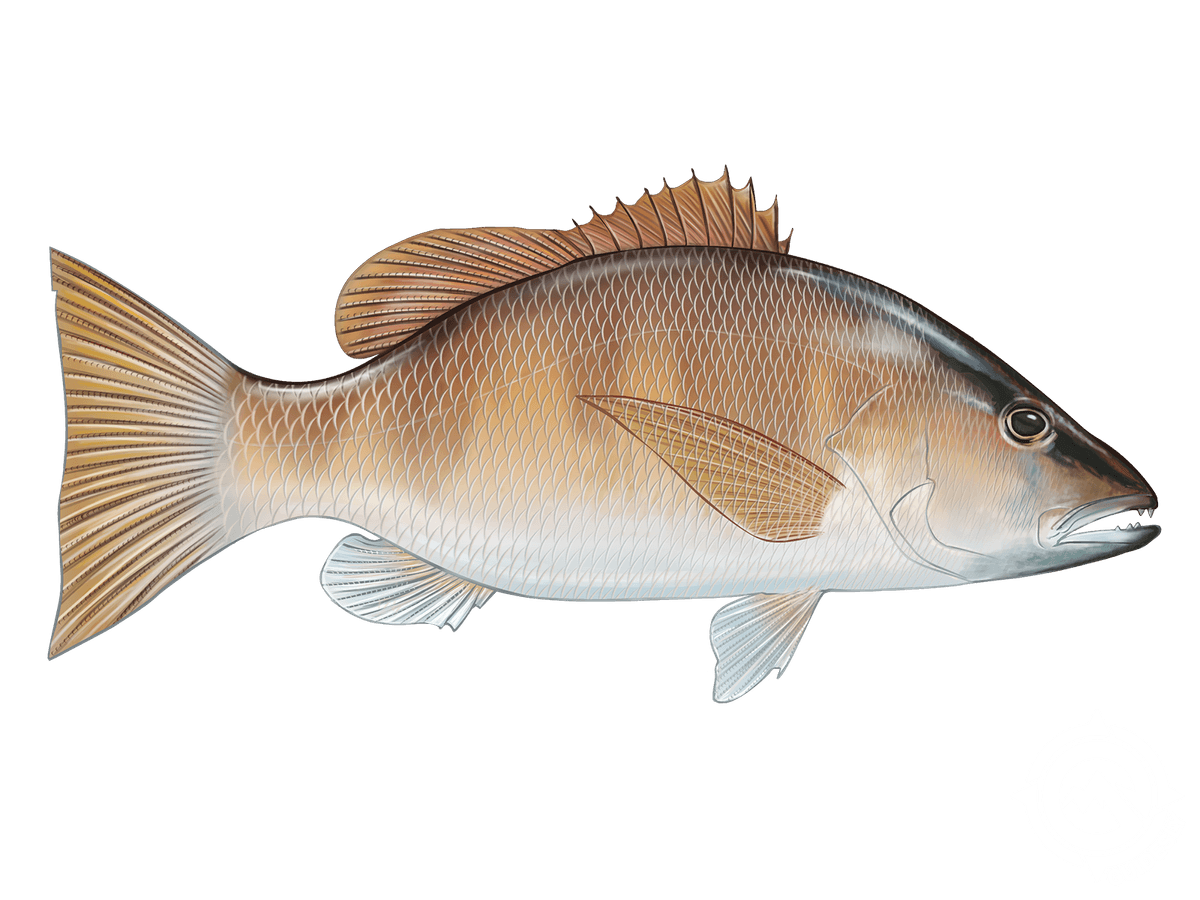
Redfish
Redfish are perfect for anglers wanting consistent action and great table fare. These copper-bronze beauties with distinctive black spots near their tail typically run 18-27 inches around Holiday's flats and grass beds. They love super shallow water - sometimes so shallow their backs stick out - around oyster bars, mangrove edges, and sandy flats in 1-4 feet. Fall and winter provide the hottest bite when they school up, but they're catchable year-round. What makes reds special is their aggressive strike and bulldogging fight - they'll peel drag and make long runs through the shallows. Plus, they're outstanding eating with mild, sweet meat. They're also great for sight fishing, which adds excitement when you spot their tails waving above the surface. Pro tip: when you see tailing redfish, cast well ahead of where they're moving and let your bait settle. They're feeding head-down and won't see anything behind them.
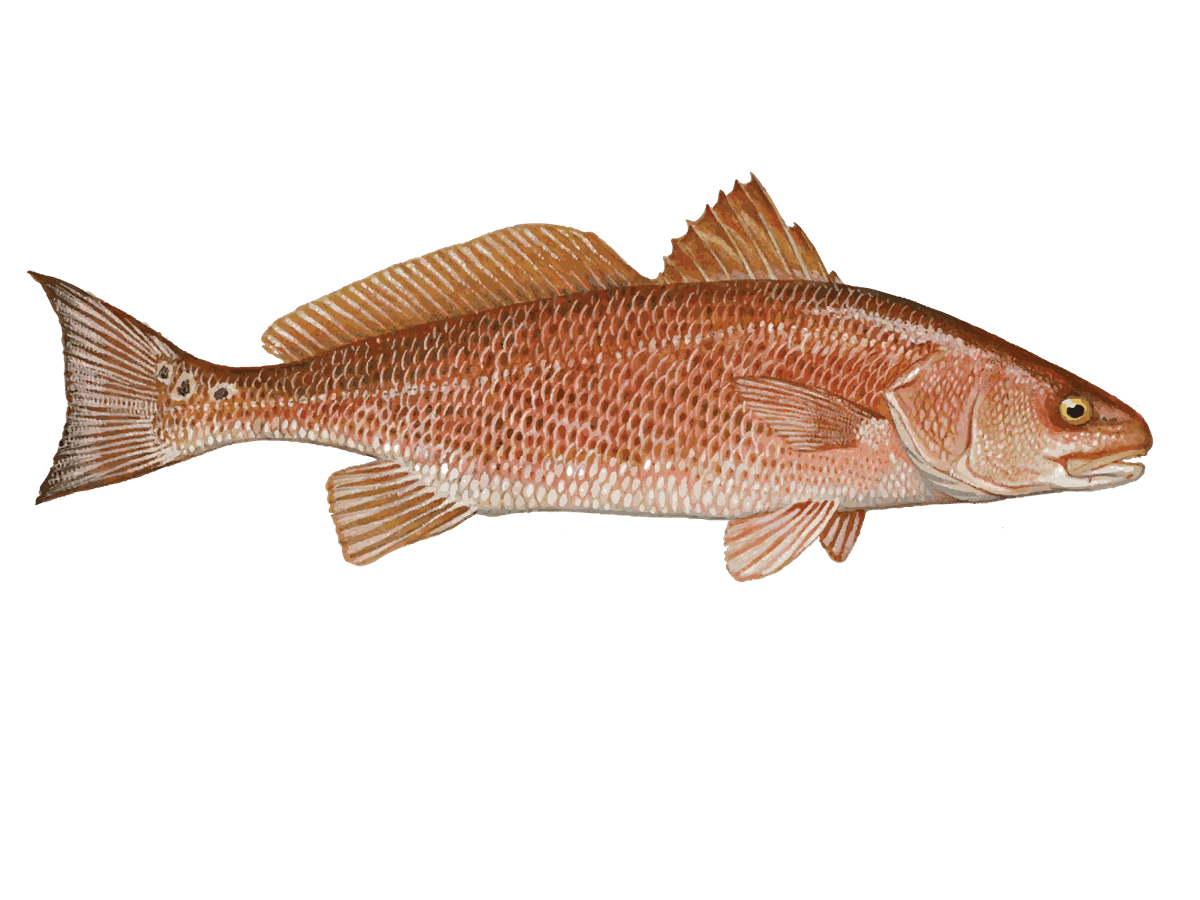
Snook
Snook are one of our most popular targets around Holiday's inshore waters. These sleek, golden fish with that distinctive black lateral line typically run 18-28 inches, though we see some pushing 3-4 feet. They love structure - mangroves, docks, bridges, and creek mouths where they ambush prey. Best action happens during moving tides, especially around dawn and dusk. Spring through fall gives us the most consistent bite when water temps stay above 70. What makes snook special is their explosive strike and acrobatic fight - they'll jump and make blistering runs that test your drag. Plus, they're excellent table fare with firm, white meat. Here's a local tip: when sight fishing snook in shallow water, cast past them and work your bait back into their strike zone. They spook easily if you land right on top of them.
Tarpon
Tarpon are the ultimate bucket-list fish - nothing quite matches watching a 100-pound silver king launch itself 6 feet out of the water. Around Holiday, we typically encounter fish ranging from 50-150 pounds, with some giants pushing 200. They cruise shallow flats, channels, and harbor areas in 3-15 feet of water, often rolling on the surface. Late spring through early fall brings the best action, especially during moving tides and around new and full moons. What makes tarpon special isn't just their size - it's their raw power and aerial displays that can last 30 minutes or more. They're strictly catch and release due to their bony meat and conservation status. Local secret: when you hook one, immediately bow to the fish during those first jumps - it reduces tension on the line and keeps them buttoned up. These prehistoric fish have been around 125 million years, so show them the respect they deserve.
About the Sports Coast Inshore Charters
%2F%2Fusers%2Fcd7f057a-4f6e-440b-a115-9f6203d0cdc7%2Fvehicle_picture%2F67891147_108805460463655_970830907189493760_n-mllxwxp2.jpg&w=1200&q=75)
Vehicle Guest Capacity: 4
Manufacturer Name: Yamaha
Maximum Cruising Speed: 45
Number of Engines: 1
Horsepower per Engine: 250