%2Ffit-in%2F250x250%2Fguide_websites%2F119357%2Fimages%2F1771060589629305768235_591808822667736_4251670508769787084_n.jpg&w=1200&q=100)
/users/cd7f057a-4f6e-440b-a115-9f6203d0cdc7/ratecard/15-mlm1juyj.jpg)
%2F300x300%2Fusers%2Fcd7f057a-4f6e-440b-a115-9f6203d0cdc7%2Fratecard%2F15-mlm1juyj.jpg&w=256&q=75)
%2F300x300%2Fusers%2Fcd7f057a-4f6e-440b-a115-9f6203d0cdc7%2Fimages%2Fanglers-reel-great-haul-2698.jpg&w=256&q=75)
%2F300x300%2Fusers%2Fcd7f057a-4f6e-440b-a115-9f6203d0cdc7%2Fimages%2Fsheepshead-hudson-fishing-2620.jpg&w=256&q=75)
%2F300x300%2Fusers%2Fcd7f057a-4f6e-440b-a115-9f6203d0cdc7%2Fimages%2Ftwo-sheepshead-hudson-fishing-3111.jpg&w=256&q=75)
%2F300x300%2Fusers%2Fcd7f057a-4f6e-440b-a115-9f6203d0cdc7%2Fimages%2Fsnook-fishing-hudson-2558.jpg&w=256&q=75)
%2F300x300%2Fusers%2Fcd7f057a-4f6e-440b-a115-9f6203d0cdc7%2Fimages%2Fspotted-weakfish-florida-fishing-2613.jpg&w=256&q=75)
%2F300x300%2Fusers%2Fcd7f057a-4f6e-440b-a115-9f6203d0cdc7%2Fimages%2Ffishing-hudson-river-2655.jpg&w=256&q=75)
%2F300x300%2Fusers%2Fcd7f057a-4f6e-440b-a115-9f6203d0cdc7%2Fimages%2Ffishing-hudson-waterfront-2736.jpg&w=256&q=75)
%2F300x300%2Fusers%2Fcd7f057a-4f6e-440b-a115-9f6203d0cdc7%2Fimages%2Fspotted-weakfish-hudson-fishing-2855.jpg&w=256&q=75)
%2F300x300%2Fusers%2Fcd7f057a-4f6e-440b-a115-9f6203d0cdc7%2Fimages%2Fgag-grouper-fishing-hudson-2677.jpg&w=256&q=75)
%2F300x300%2Fusers%2Fcd7f057a-4f6e-440b-a115-9f6203d0cdc7%2Fimages%2Fredfish-caught-hudson-2649.jpg&w=256&q=75)
Holiday FL Grouper Charter Sports Coast 4 Hours
 Hudson FL
What you will be catching:
 Cobia
Cobia Goliath Grouper
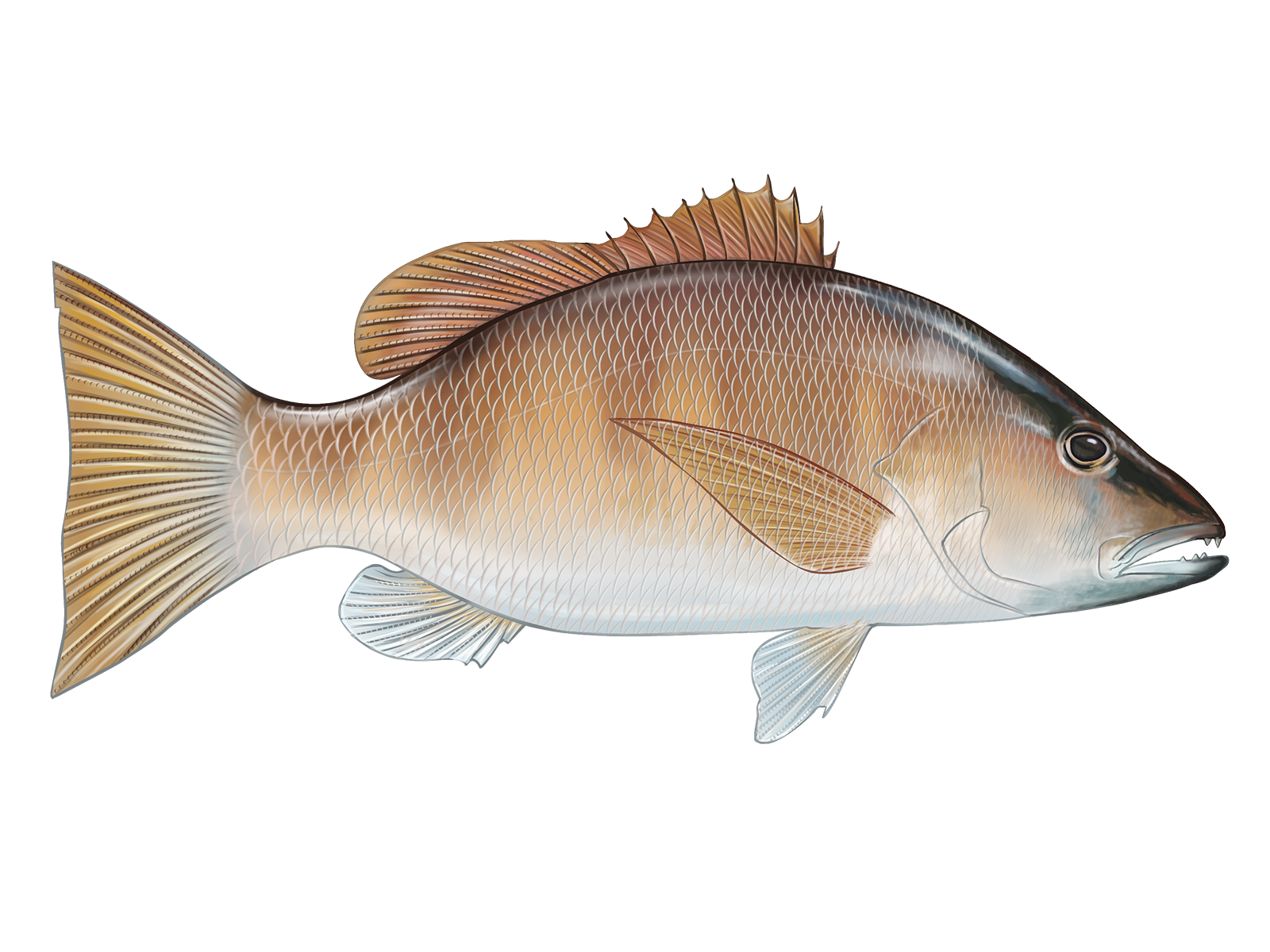 Grey Snapper
 Sheepshead
 Tarpon
- Four-hour grouper charter targeting bottom structure fish species
- All equipment, tackle, bait, and fishing licenses included
- Multiple fishing techniques adjusted based on conditions and depth
Trip Pricing and Availabilities:
Trip pricing information is temporarily unavailable.
Holiday FL 4 Hour Grouper Fishing Charter
Looking for a solid half-day fishing trip that gets you on the bottom dwellers without burning your whole day? This four-hour grouper charter out of Holiday, Florida is built for anglers who want results without the commitment of a full-day haul. We're talking about a private trip for up to two people, so you won't be elbow-to-elbow with strangers fighting over the best spots. At $550, you get a dedicated captain who knows exactly where these fish hang out along our nearshore structure, plus all the gear and licenses you need to make it happen.
What to Expect on the Water
This isn't your typical "let's see what happens" fishing trip. We're heading straight to the productive bottom structure where grouper, snapper, and other quality fish stack up. The Holiday area has some fantastic nearshore reefs and ledges that hold fish year-round, and our captain knows every bump and drop worth hitting. You'll spend most of your time working vertical presentations over structure, but don't be surprised if we mix in some trolling or even break out the fly rods when conditions are right. The beauty of a four-hour window is that we can stay focused and efficient – no wandering around hoping to stumble onto fish. We know where they live, and we're going straight there. Everything's included, from rods and reels to bait and tackle, so you can literally show up empty-handed and still have everything you need for a productive day.
Gear and Techniques
We fish smart out here, adjusting our approach based on what the fish want that day. Most of the time, you'll be bottom fishing with medium-weight spinning gear that's perfectly matched to the depths we're working. The tackle setup is dialed in for grouper and snapper – strong enough to pull fish away from structure but light enough that you actually get to enjoy the fight. When we're over productive bottom, we'll drop down cut bait, live shrimp, or whatever's working that week. If the current's moving and fish are active higher in the water column, we might switch to trolling or even sight fishing with spinning gear. The fly rod comes out when conditions line up – usually calmer days when we can spot fish cruising or when tarpon show up looking for an easy meal. Our captain reads the water and adjusts techniques throughout the trip, so you're always fishing the most effective method for the moment.
Species You'll Want to Hook
Grey Snapper are the bread and butter fish around Holiday's nearshore structure, and they're absolute fighters pound-for-pound. These fish range from keeper-sized two-pounders up to hefty five and six-pound slabs that'll test your drag system. They hang around rocky bottom, ledges, and artificial reefs, feeding on everything from small fish to crabs and shrimp. Spring through fall offers the most consistent action, but you can find them year-round if you know where to look. What makes grey snapper so popular with anglers is their aggressive bite and excellent table fare – they're one of the best eating fish in these waters, with firm white meat that's perfect for grilling or blackening.
Goliath Grouper are the giants of our nearshore waters, and hooking one is something you won't forget anytime soon. These massive fish can weigh several hundred pounds and provide an arm-burning battle that'll have you questioning your life choices. They're catch-and-release only, but the experience of fighting one of these prehistoric-looking fish is worth the trip alone. Goliaths hang around structure in 20 to 80 feet of water, often in predictable spots where they've claimed territory. Summer months bring the most consistent shots at these bruisers, though you can encounter them any time of year. The fight is pure power – no fancy runs or jumps, just straight-up bulldogging that'll test both your tackle and your endurance.
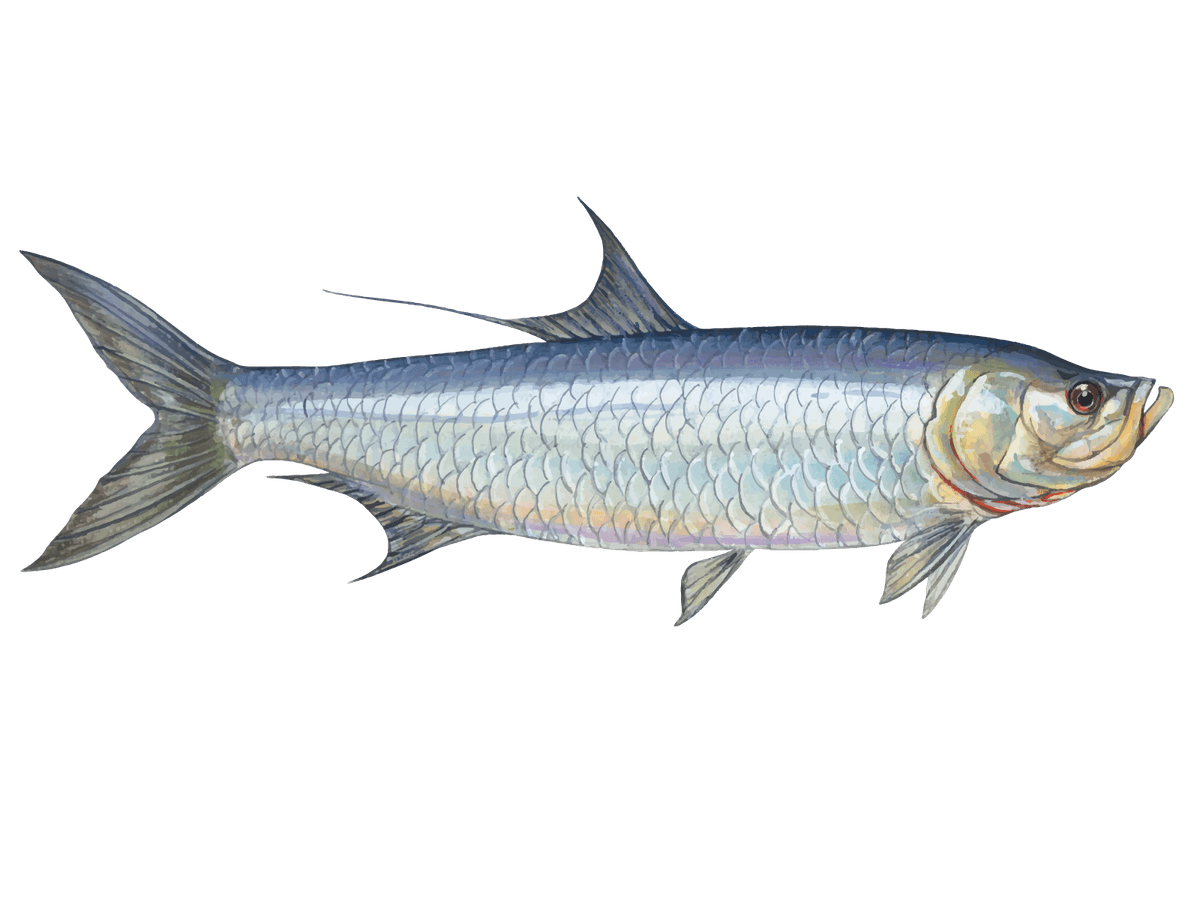
Tarpon show up as a bonus target depending on season and conditions, usually during warmer months when they're moving through our area. These silver kings range from juvenile fish in the 20 to 40-pound class up to adult tarpon pushing 100 pounds or more. What makes tarpon special isn't just their size – it's their aerial acrobatics when hooked. They'll clear the water multiple times, shaking their heads and gill-rattling in spectacular fashion. Tarpon fishing is typically best during late spring through early fall, with peak action in summer months. They're found around structure, but also cruise open water and shallow flats depending on tides and bait movement.
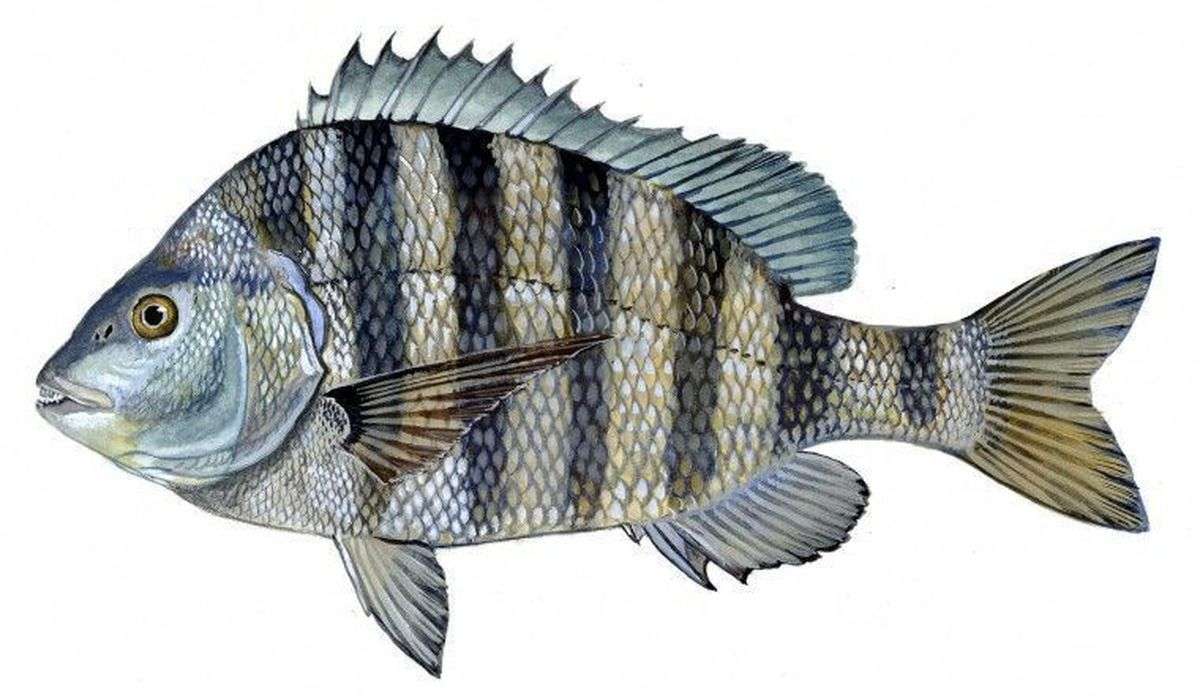
Sheepshead are the technical challenge on these trips – they're notorious bait stealers with small mouths and incredible sensitivity to pressure. These black and white striped fish hang tight to structure, feeding on barnacles, crabs, and other crustaceans. They rarely get huge – most run one to three pounds – but they're excellent eating and require real skill to hook consistently. Winter months are prime time for sheepshead fishing, when they school up around structure preparing for their spawning season. The key is using small hooks, light line, and hair-trigger hook sets because they'll spit a bait faster than you can blink.
Cobia are the wild cards that can show up any time and completely change your day. These brown sharks (as some folks call them) are curious, aggressive fish that often approach the boat and can be sight-cast to with spinning gear or fly rods. They range from 20-pound juveniles up to 50-pound adults that'll give you a sustained battle. Cobia are most common during warmer months, often following rays or cruising around structure looking for easy meals. They're excellent eating fish with firm, white meat that's often compared to shark or mahi-mahi. What makes cobia fishing exciting is their willingness to eat artificial lures and their habit of showing up when you least expect them.
Time to Book Your Spot
This four-hour grouper charter hits
Learn more about the species
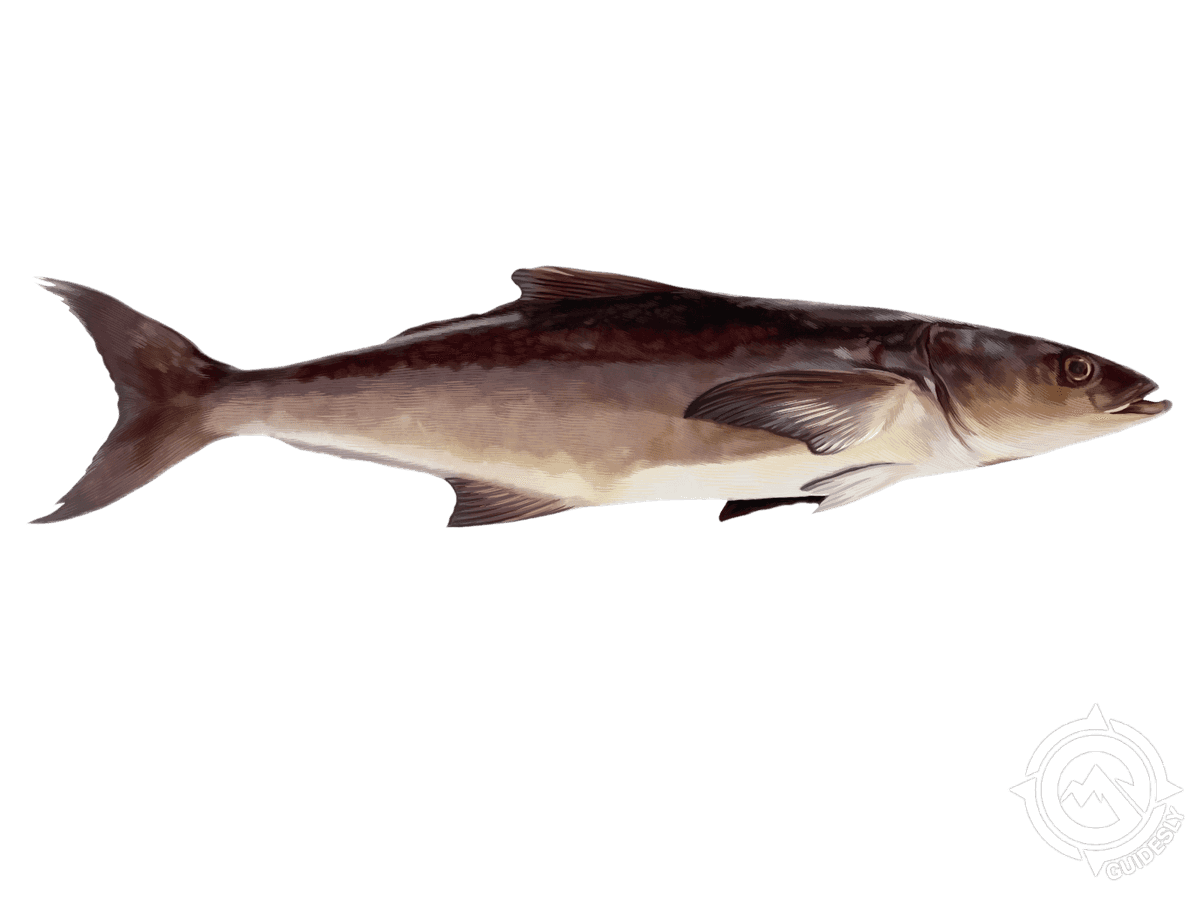
Cobia
These brown sharks look-alikes average 30-60 pounds and 4-5 feet long around Holiday. They're loners that cruise shallow reefs, wrecks, and structure in 20-50 feet of water. Spring and summer are best when they're migrating through and spawning. What makes cobia special is their curious nature - they'll often follow the boat - plus they're outstanding table fare with firm, white meat. Most are caught sight fishing when you spot them cruising just under the surface. A bucktail jig in 4-8 ounces works great, though color doesn't matter much. The key is making a good cast ahead of the fish and working the jig back steadily. Don't get excited and cast right on top of them - that spooks them every time. Lead them like a duck hunter and be patient with your retrieve.
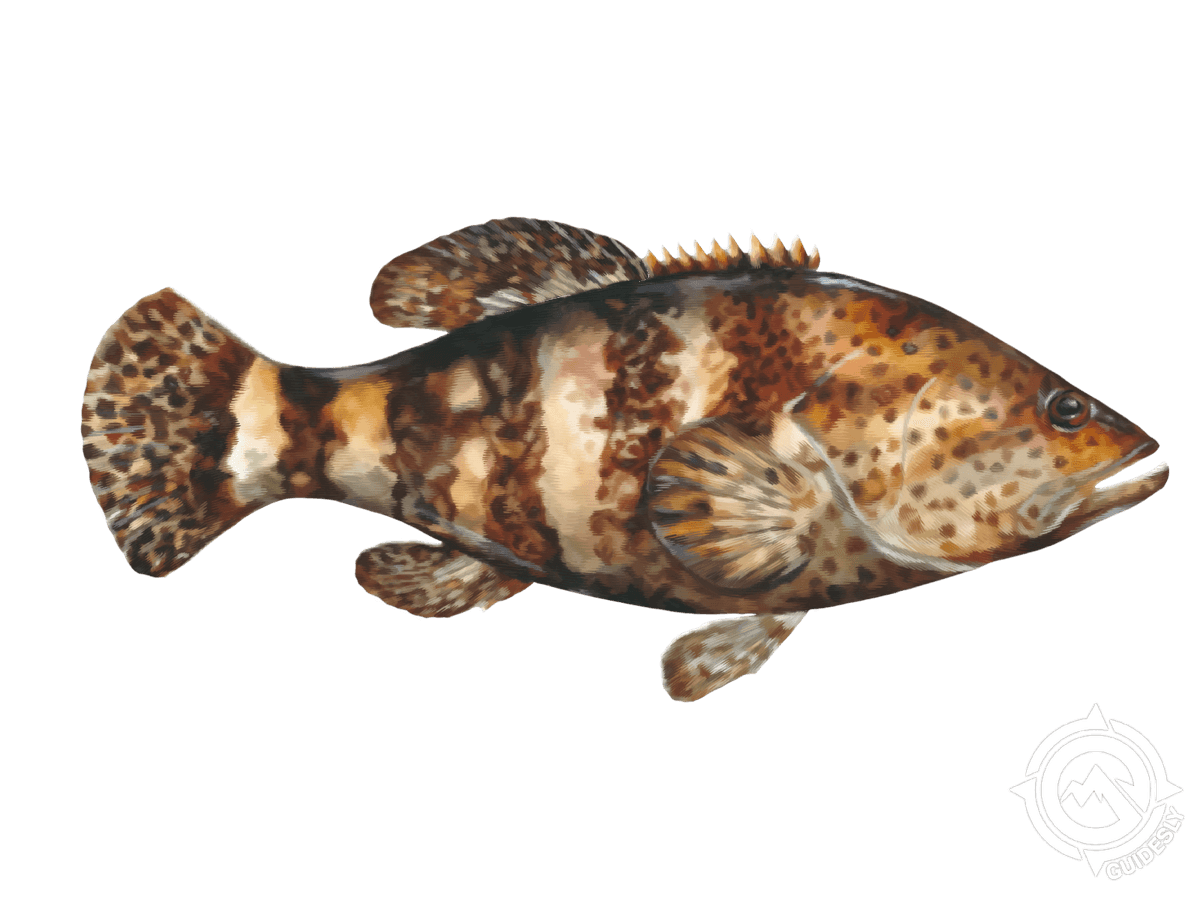
Goliath Grouper
These prehistoric giants can reach 8 feet and 800 pounds, though most we see run 100-300 pounds. They live around shallow reefs, wrecks, and structure in 20-150 feet of water. Summer months bring the best action when they're more active and feeding heavily. What guests love is that first pull - it's like hooking a truck. The fight is intense but usually short-lived. Remember, these are strictly catch and release - they're protected due to overfishing. Despite their size, you don't need crazy heavy gear. A strong rod with 50-80 class reel and 400-600 pound mono works. The key is anchoring just far enough from structure so you can pull them away before they break you off. Bounce your bait on bottom to create commotion - they're curious and have no fear.
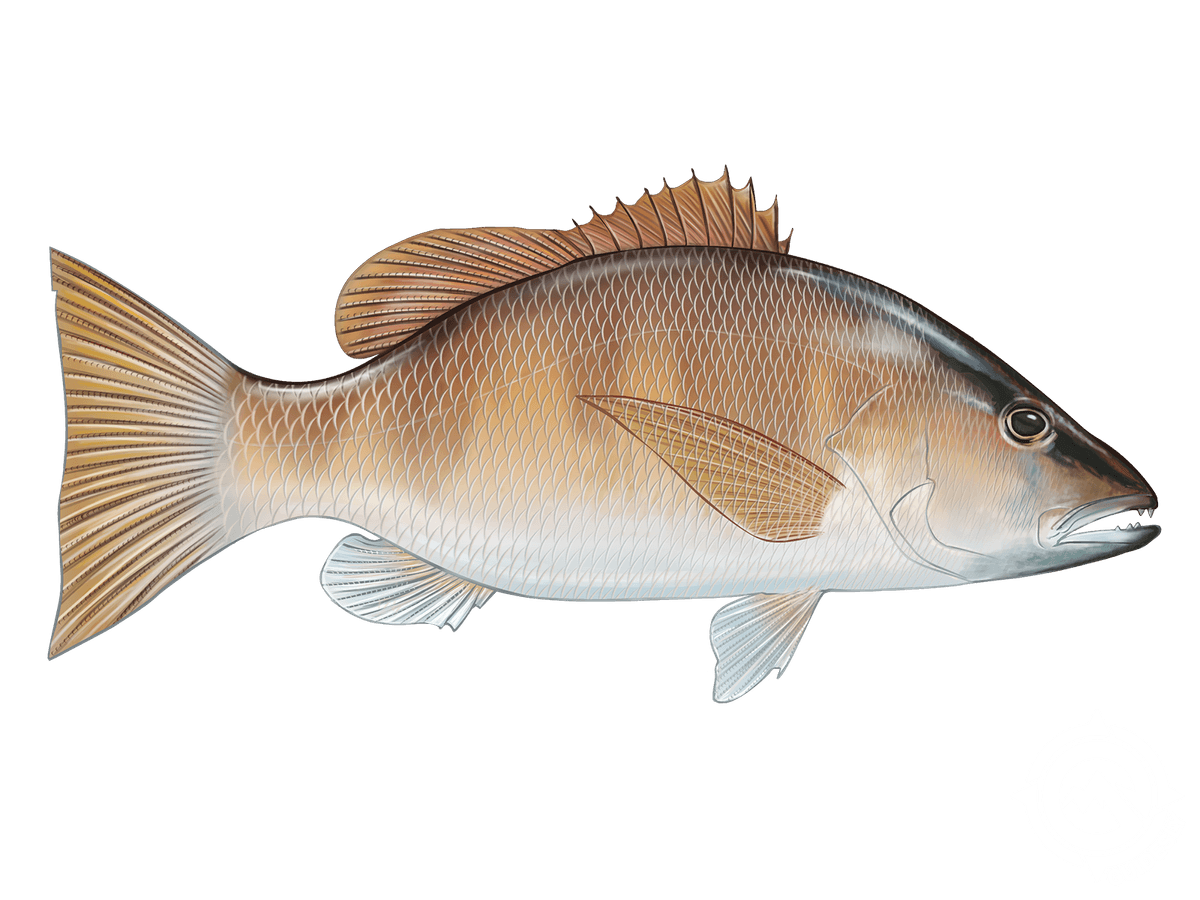
Grey Snapper
Also called mangrove snapper, these copper-red fish run 1-3 pounds inshore but can hit 20 pounds in deeper water. They're smart, opportunistic feeders that hang around structure - docks, reefs, mangroves - waiting to ambush crabs and smaller fish. Best fishing happens at night when they're most active, though we catch plenty during the day. What makes them popular is their excellent white, flaky meat and the challenge of outsmarting these wary fish. They'll steal bait all day if you're not paying attention. My tip: use a 4/0 circle hook with live shrimp hooked through the tail, let it sink to bottom, then bring it up a foot. Keep it still - too much movement spooks them. When you feel that tap, don't jerk - just start reeling steadily to set the hook.
Sheepshead
These "convict fish" with their black stripes and human-like teeth typically run 2-8 pounds around here, though 20-pounders are possible. They live around any structure - docks, bridges, pilings, reefs - feeding on barnacles, crabs, and shrimp. Spring months from February through April are prime time when they're spawning and concentrated around structure. Guests love them for their excellent white meat and the challenge of their notorious bait-stealing habits. They'll nibble your bait clean off the hook if you're not ready. Use small hooks with fiddler crabs or shrimp, get as close to structure as possible, and set the hook hard the moment you feel weight. Fish different depths since they suspend anywhere in the water column. My secret: scrape some barnacles off pilings to create a chum slick - they'll come running.
Tarpon
The silver king averages 80-100 pounds but can reach 280. These acrobatic fish migrate through our waters mainly in warmer months, hanging around channels, flats edges, and deeper holes near structure. What makes tarpon special is their jumping ability - they'll leap 10 feet out of the water trying to throw the hook. Most anglers target them for the fight, not the table since they're bony and not great eating. A medium spinning setup with 5000-7000 reel handles most situations. Live bait works best - pinfish, mullet, or crabs. The trick is keeping steady pressure but letting them run when they jump. Don't horse them - that's when you lose fish. Best fishing is early morning or late evening when they're rolling on the surface. Look for that telltale silver flash.
About the Sports Coast Inshore Charters
%2F%2Fusers%2Fcd7f057a-4f6e-440b-a115-9f6203d0cdc7%2Fvehicle_picture%2F67891147_108805460463655_970830907189493760_n-mllxwxp2.jpg&w=1200&q=75)
Vehicle Guest Capacity: 4
Manufacturer Name: Yamaha
Maximum Cruising Speed: 45
Number of Engines: 1
Horsepower per Engine: 250