%2Ffit-in%2F250x250%2Fguide_websites%2F119357%2Fimages%2F1771060589629305768235_591808822667736_4251670508769787084_n.jpg&w=1200&q=100)
/users/cd7f057a-4f6e-440b-a115-9f6203d0cdc7/ratecard/5-mllzyuev.jpg)
%2F300x300%2Fusers%2Fcd7f057a-4f6e-440b-a115-9f6203d0cdc7%2Fratecard%2F5-mllzyuev.jpg&w=256&q=75)
%2F300x300%2Fusers%2Fcd7f057a-4f6e-440b-a115-9f6203d0cdc7%2Fimages%2Fanglers-reel-great-haul-2698.jpg&w=256&q=75)
%2F300x300%2Fusers%2Fcd7f057a-4f6e-440b-a115-9f6203d0cdc7%2Fimages%2Fsheepshead-hudson-fishing-2620.jpg&w=256&q=75)
%2F300x300%2Fusers%2Fcd7f057a-4f6e-440b-a115-9f6203d0cdc7%2Fimages%2Ftwo-sheepshead-hudson-fishing-3111.jpg&w=256&q=75)
%2F300x300%2Fusers%2Fcd7f057a-4f6e-440b-a115-9f6203d0cdc7%2Fimages%2Fsnook-fishing-hudson-2558.jpg&w=256&q=75)
%2F300x300%2Fusers%2Fcd7f057a-4f6e-440b-a115-9f6203d0cdc7%2Fimages%2Fspotted-weakfish-florida-fishing-2613.jpg&w=256&q=75)
%2F300x300%2Fusers%2Fcd7f057a-4f6e-440b-a115-9f6203d0cdc7%2Fimages%2Ffishing-hudson-river-2655.jpg&w=256&q=75)
%2F300x300%2Fusers%2Fcd7f057a-4f6e-440b-a115-9f6203d0cdc7%2Fimages%2Ffishing-hudson-waterfront-2736.jpg&w=256&q=75)
%2F300x300%2Fusers%2Fcd7f057a-4f6e-440b-a115-9f6203d0cdc7%2Fimages%2Fspotted-weakfish-hudson-fishing-2855.jpg&w=256&q=75)
%2F300x300%2Fusers%2Fcd7f057a-4f6e-440b-a115-9f6203d0cdc7%2Fimages%2Fgag-grouper-fishing-hudson-2677.jpg&w=256&q=75)
%2F300x300%2Fusers%2Fcd7f057a-4f6e-440b-a115-9f6203d0cdc7%2Fimages%2Fredfish-caught-hudson-2649.jpg&w=256&q=75)
Port Richey 2 Hour Inshore Sports Coast Charter
 Hudson FL
What you will be catching:
 Cobia
Cobia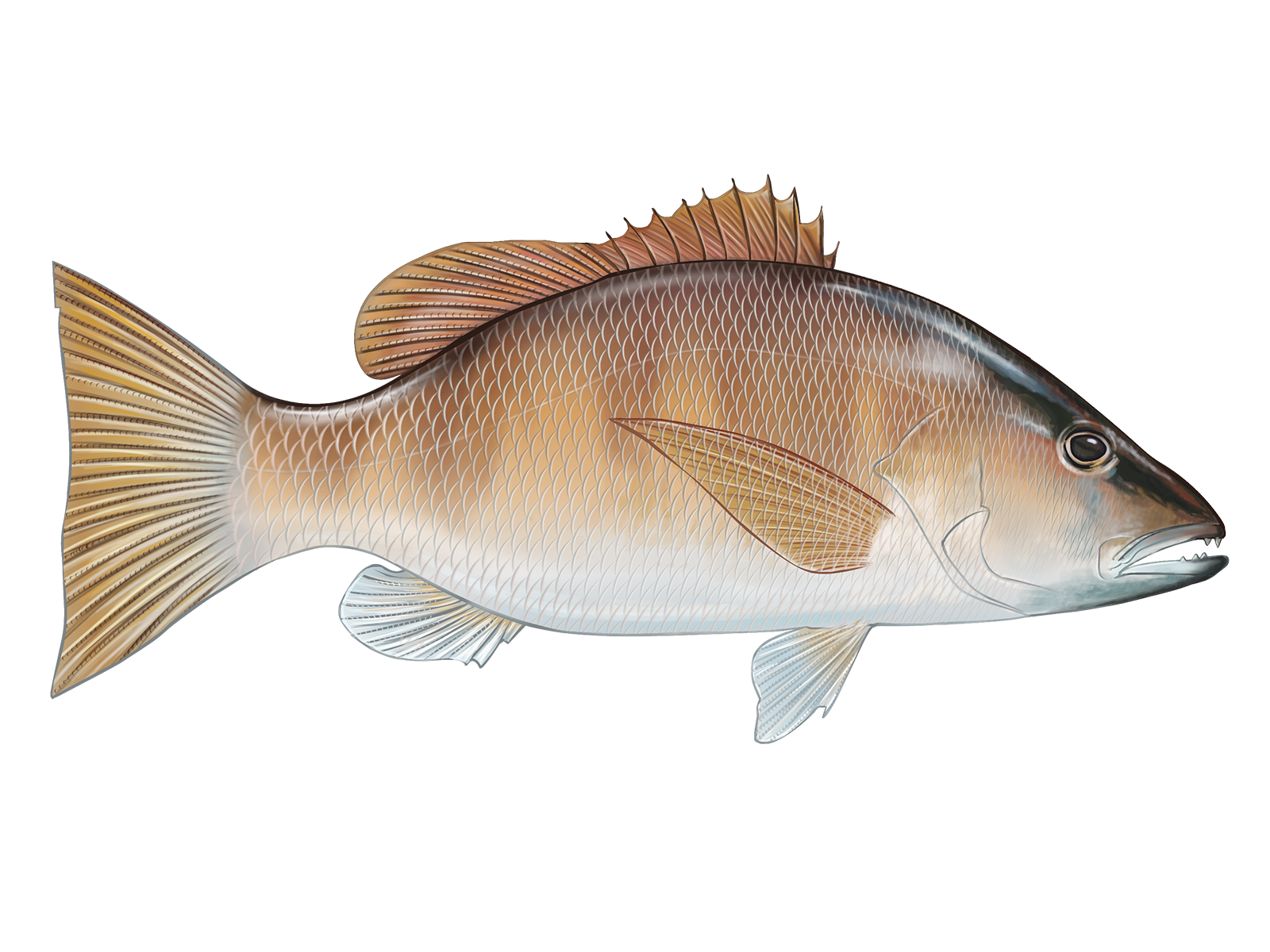 Grey Snapper
 Redfish
 Snook
Snook Tarpon
- 2-hour inshore charter targeting snook, redfish, tarpon, and seatrout
- All gear, bait, and licenses provided by experienced captain
- Beginner-friendly trip perfect for couples and small groups
Trip Pricing and Availabilities:
Trip pricing information is temporarily unavailable.
Port Richey 2-Hour Inshore Fishing Charter
Looking for a quick fishing fix without burning your whole day? This two-hour inshore charter out of Port Richey hits the sweet spot for anyone wanting to get on the water fast and hook into some serious fish. We're talking about a no-nonsense trip that gets you fishing within minutes of leaving the dock at Bayview Street, targeting some of Florida's most sought-after gamefish in the productive waters around the Nature Coast. Perfect for couples, beginners, or locals who just want to squeeze in some fishing between other plans.
What to Expect on the Water
This trip is all about efficiency and action. At $300 for up to two guests, you're getting maximum fishing time with zero hassle – we provide everything from rods and reels to bait and licenses. The Pithlachascotee River system and surrounding flats offer some of the most consistent inshore fishing on Florida's west coast, and we know exactly where to find the fish based on tides, seasons, and recent patterns. Don't expect a leisurely cruise; we're here to fish hard and make every cast count. The shallow waters around Port Richey warm up early in spring and stay productive well into winter, making this a year-round fishery that delivers results whether you're visiting in January or July.
Techniques & Tackle Setup
We run a mix of light tackle techniques depending on what's biting and where we find the fish. Bottom fishing with live shrimp or pinfish works great for snapper and cobia, while spinning gear loaded with soft plastics is deadly on redfish and trout cruising the grass flats. When tarpon are rolling, we'll switch to heavier tackle and present live bait or jigs near structure. Fly fishing is always an option if you're up for it – watching a redfish crush a spoon fly in two feet of crystal-clear water never gets old. The beauty of Port Richey's inshore waters is the variety: one minute you're sight-casting to tailing reds, the next you're working a oyster bar for snook. We keep multiple rods rigged and ready so you can switch tactics as conditions and fish behavior change throughout the trip.
Top Catches This Season
Snook are the kings of our local waters, and for good reason. These ambush predators love hanging around docks, mangrove shorelines, and bridge pilings where they can dart out to nail unsuspecting baitfish. Spring through fall offers the best snook action, with fish ranging from schoolie-sized juveniles to trophy specimens pushing 40 inches. What makes snook special is their fighting ability – they'll jump, run, and try every trick to throw your hook. The slot limit keeps things interesting since only fish between 28 and 33 inches can be harvested, but honestly, most anglers prefer the photo and release anyway.
Grey snapper might not be the flashiest fish in these waters, but they're reliable producers and excellent table fare when regulations allow. These bottom-dwellers stack up around structure, especially during warmer months, and they'll hit everything from live shrimp to cut bait. Mangrove snapper, as locals call them, are smart cookies – they'll inspect your bait carefully and won't hesitate to steal it without getting hooked. When you do connect, expect a solid fight and some of the best eating fish in the Gulf.
Tarpon fishing around Port Richey is legendary, particularly during the spring and summer migration when massive schools of "silver kings" cruise through our waters. These prehistoric gamefish can exceed 100 pounds and launch themselves completely out of the water when hooked. Even the smaller resident tarpon we catch year-round provide world-class sport on appropriate tackle. There's nothing quite like the moment a tarpon realizes it's hooked – the explosion of water and raw power will get your heart pounding every time.
Redfish are the bread and butter of inshore fishing, and Port Richey's grass flats, oyster bars, and mangrove creeks hold healthy populations year-round. These copper-colored bruisers are perfect for beginners since they're aggressive feeders and put up a determined fight without the acrobatics of snook or tarpon. Fall brings some of the best redfish action as schools of "bull reds" move through the area, with fish commonly exceeding 30 inches. The sight-fishing opportunities are outstanding when conditions are right – watching a big red slowly cruise a flat and then crush your lure is pure magic.
Cobia are the wildcards of this fishery – you never know when one might show up, but when they do, it's game on. These brown sharks of the inshore world are curious fish that will often approach the boat for a close look. Spring migration brings the best cobia fishing as they move through our waters heading north, but we see them sporadically throughout the warmer months. Cobia are excellent fighters and even better on the dinner table, making them a true bonus catch on any trip.
Time to Book Your Spot
Two hours might not sound like much, but you'll be amazed how much fishing you can pack into a focused trip with an experienced guide who knows these waters. This charter works perfectly for testing out inshore fishing before committing to longer trips, introducing kids or nervous spouses to the sport, or just scratching that fishing itch when time is tight. Port Richey's location gives us access to incredible diversity – shallow grass flats, deep channels, mangrove creeks, and nearshore structure all within minutes of the launch. Book your trip today and discover why anglers have been coming to the Nature Coast for generations. Remember, deposits are non-refundable, so pick your dates carefully and come ready to fish hard.
Learn more about the species
Cobia
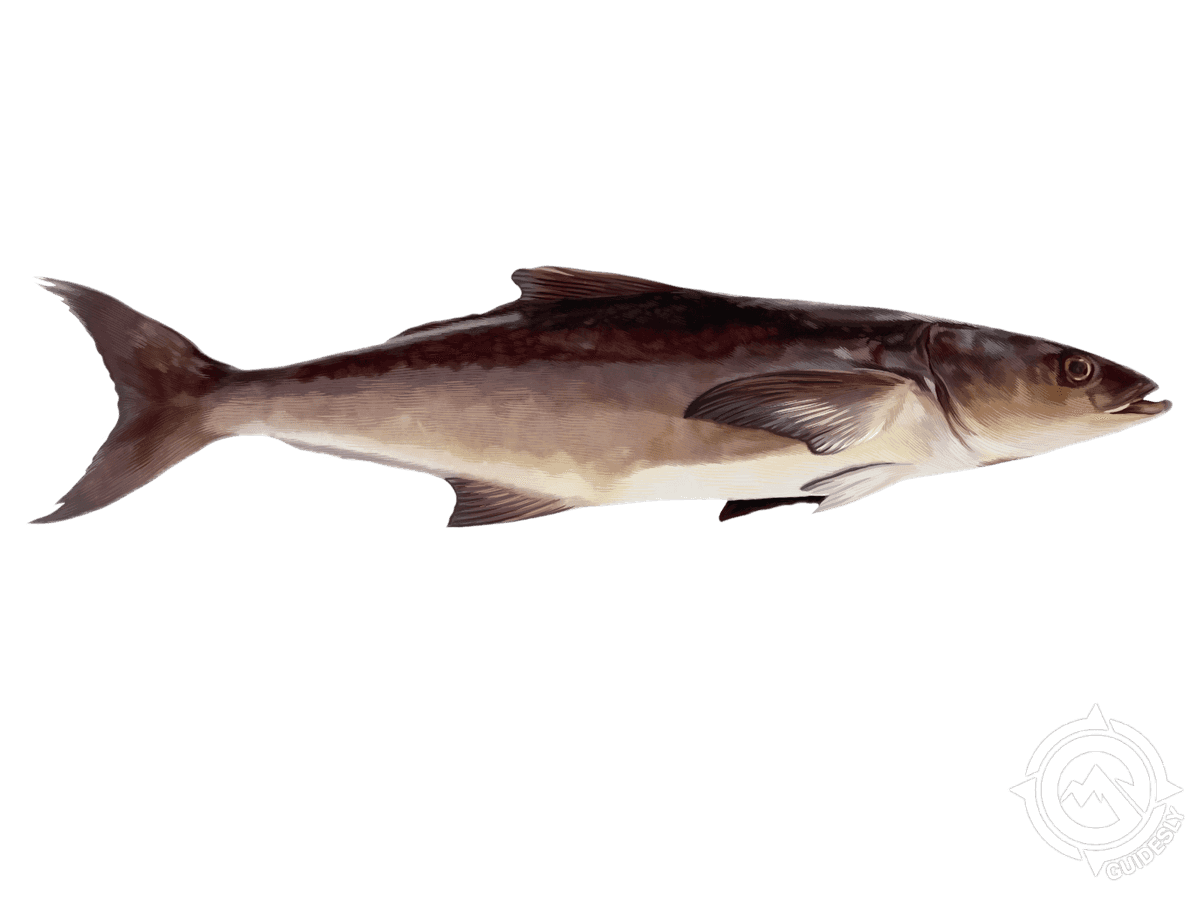
Cobia are the brown sharks that aren't sharks - their dark color and single dorsal fin fool a lot of people at first glance. These fish average 3-5 feet and can push 50-80 pounds, making them one of our strongest fighters. They show up spring through fall around structures like channel markers, bridges, and nearshore reefs in 20-60 feet of water. What makes cobia special is their curiosity - they'll often follow the boat right up to see what's going on. Plus, they're some of the best eating fish in the Gulf with firm, white meat that tastes like a cross between grouper and mahi. They're usually alone, not in schools. Best technique is sight fishing with bucktail jigs - when you see one, drop that jig right in front of its nose and work it slow.
Grey Snapper
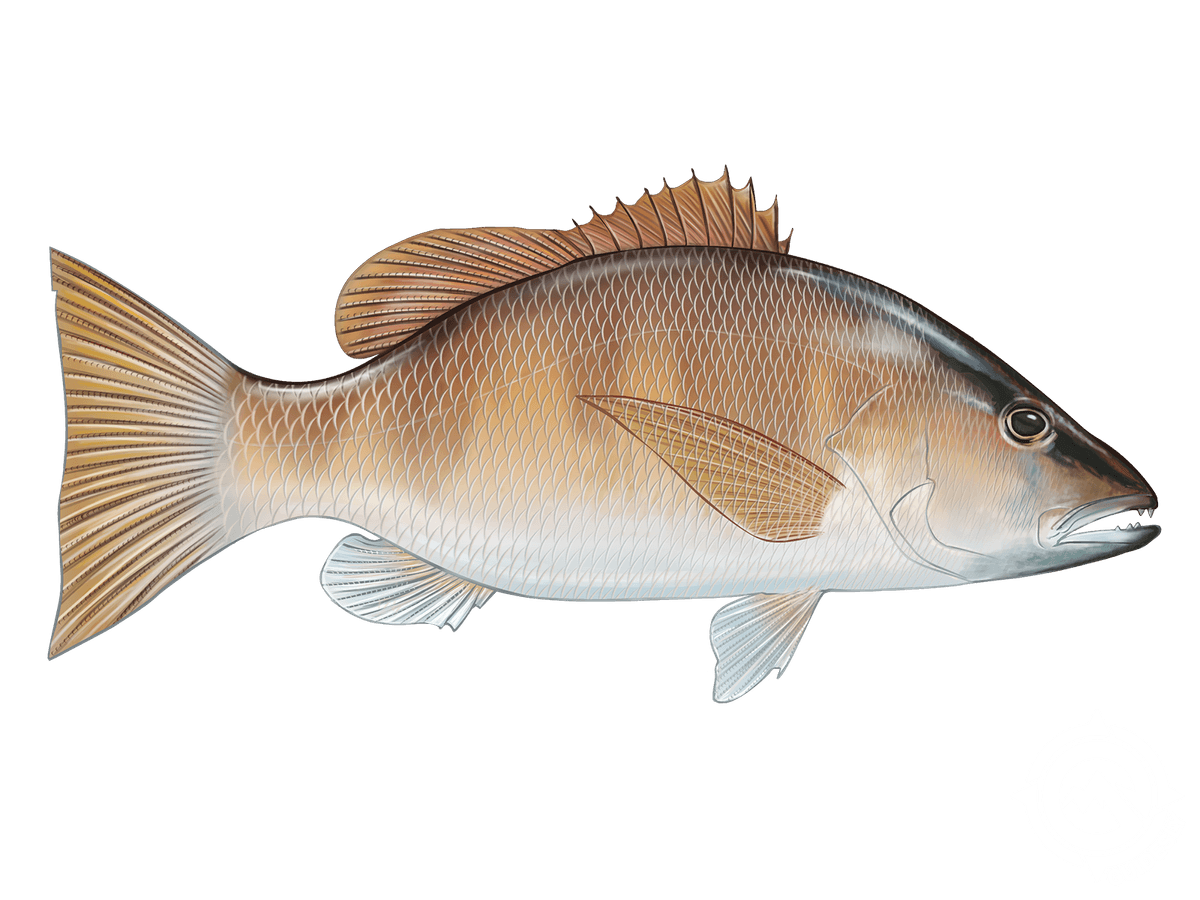
Mangrove snapper are perfect for our short trips since they're around year-round and always hungry. Most run 10-14 inches inshore, though we occasionally see bigger ones pushing 3-4 pounds. They hang around any structure - docks, rocks, grass flats - and love to ambush prey from cover. These guys are nocturnal feeders, so early morning and late afternoon trips often produce the best action. What guests love is the steady bite and excellent table fare - sweet, flaky white meat that's hard to beat. They're also great for beginners since they're not too finicky. Here's the key: use live shrimp on a light hook, let it sink to the bottom, then reel up just a foot or two. Keep it still - too much movement spooks them off.
Redfish
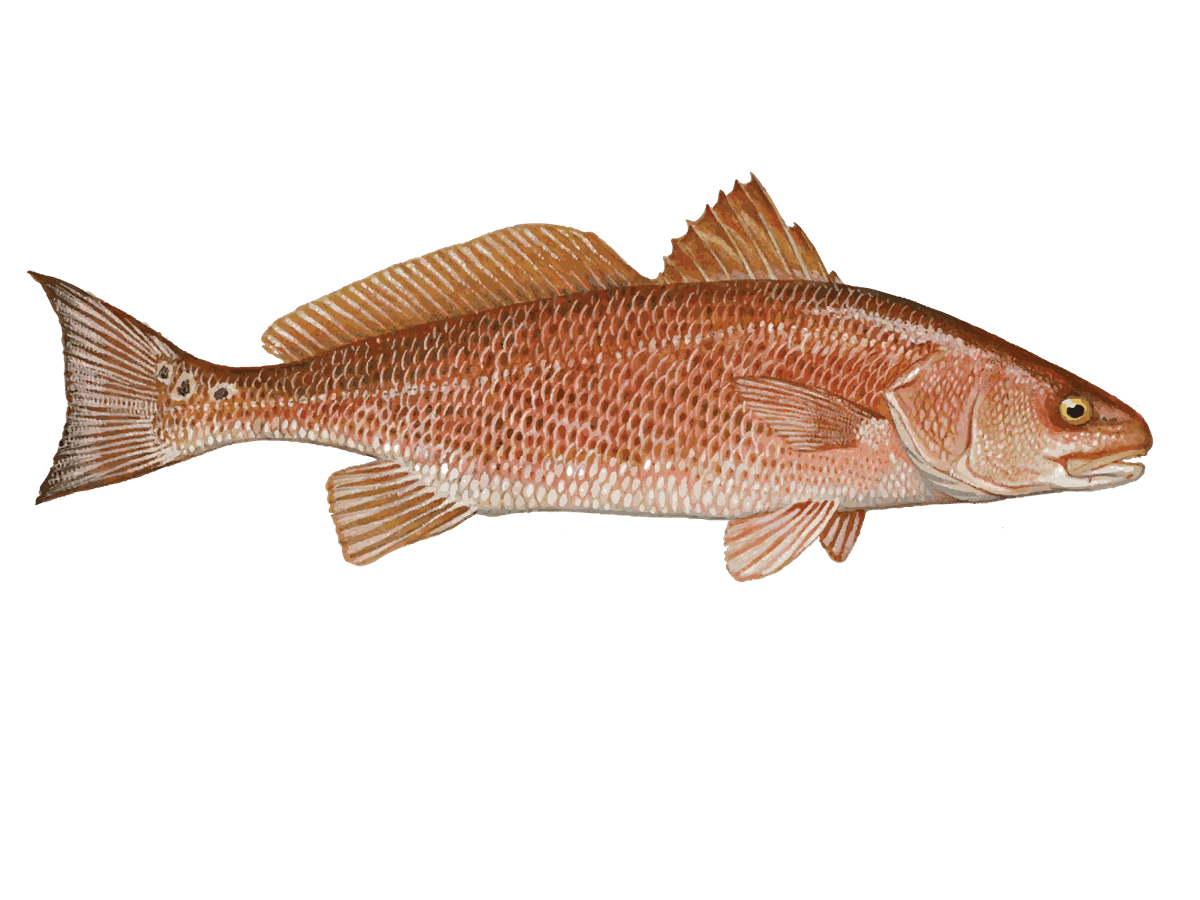
Redfish are the workhorses of our flats, easily spotted by their copper-red backs and distinctive black spot near the tail. Most inshore reds run 18-28 inches and put up a serious fight on light tackle. They love super shallow water - sometimes so shallow their backs stick out - around oyster bars, grass flats, and mangrove shorelines. Spring through fall offers the best action, especially on moving tides when they're actively feeding. Guests love them because they eat almost anything, fight hard, and make excellent table fare with mild, sweet meat. They're also great for sight fishing, which adds excitement when you can actually see the fish before casting. Pro tip: when you spot a redfish tailing in shallow water, cast well ahead of where it's moving and let your bait settle quietly.
Snook
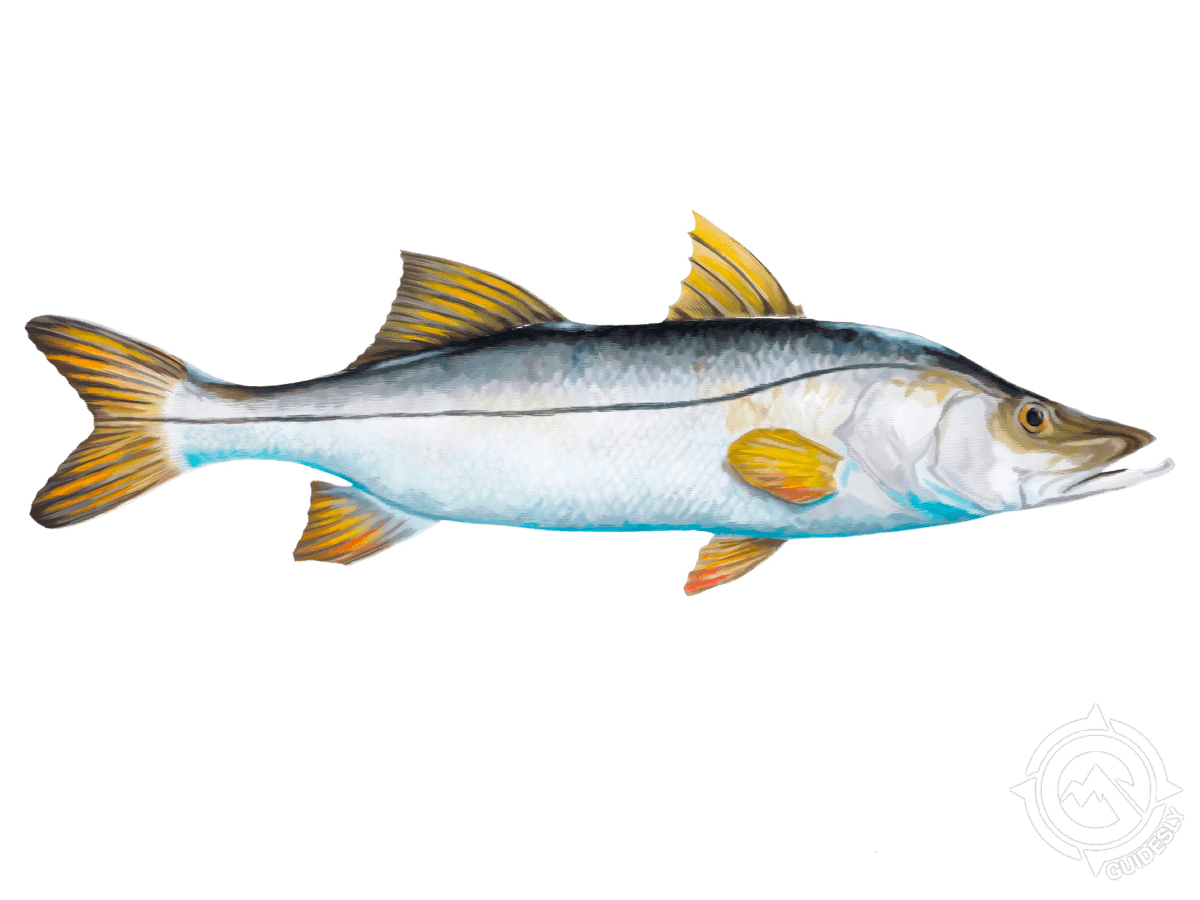
Snook are one of our most sought-after inshore fish, running 1-4 feet with that distinctive black lateral line and golden coloring. They love structure - docks, mangroves, creek mouths - anywhere they can ambush baitfish in shallow water. You'll find them in both salt and fresh water around here, especially during warmer months when they're most active. What makes snook special is their explosive strike and acrobatic fight, plus they're curious enough to hit topwater lures, which always gets guests excited. They're also great eating with firm, white meat. One tip I always share: when you hook one near structure, keep steady pressure and try to turn their head quickly - they'll wrap you up in the mangroves if you give them slack.
Tarpon
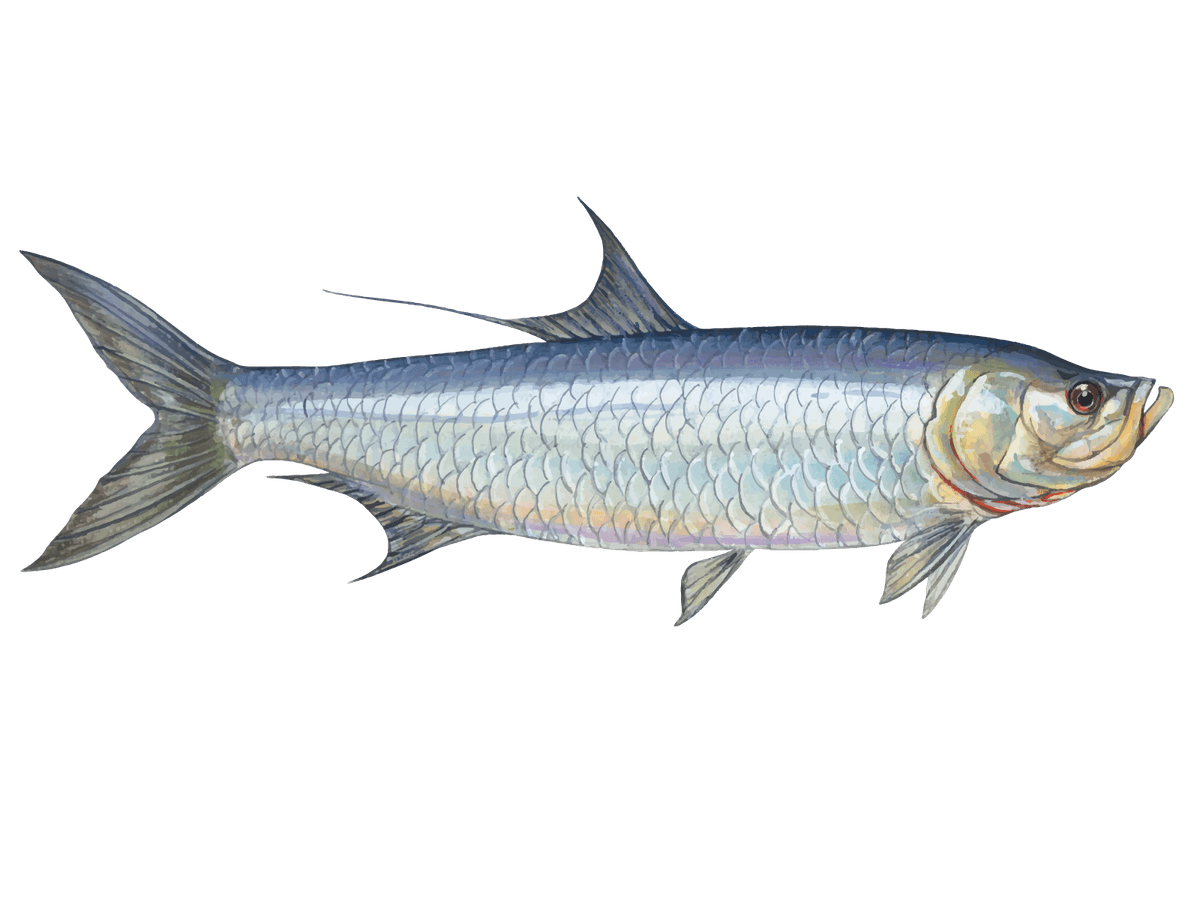
Tarpon are the silver kings of inshore fishing, and even the smaller ones we see here will give you a fight to remember. Most range 3-5 feet and 50-100 pounds, known for their silver sides and massive scales. They migrate through our waters spring through fall, holding in deeper channels, around bridges, and along grass flats. What makes tarpon fishing special is the jump - they'll clear the water multiple times trying to throw your hook. While they're not great eating due to their bony meat, the fight is pure adrenaline. We practice catch and release to protect these ancient fish. The trick with tarpon is keeping your rod tip down when they jump - "bow to the king" as we say. This keeps tension off the line and prevents them from throwing the hook.
About the Sports Coast Inshore Charters
%2F%2Fusers%2Fcd7f057a-4f6e-440b-a115-9f6203d0cdc7%2Fvehicle_picture%2F67891147_108805460463655_970830907189493760_n-mllxwxp2.jpg&w=1200&q=75)
Vehicle Guest Capacity: 4
Manufacturer Name: Yamaha
Maximum Cruising Speed: 45
Number of Engines: 1
Horsepower per Engine: 250