%2Ffit-in%2F250x250%2Fguide_websites%2F119357%2Fimages%2F1771060589629305768235_591808822667736_4251670508769787084_n.jpg&w=1200&q=100)
/users/cd7f057a-4f6e-440b-a115-9f6203d0cdc7/ratecard/4-mllz49tq.jpg)
%2F300x300%2Fusers%2Fcd7f057a-4f6e-440b-a115-9f6203d0cdc7%2Fratecard%2F4-mllz49tq.jpg&w=256&q=75)
%2F300x300%2Fusers%2Fcd7f057a-4f6e-440b-a115-9f6203d0cdc7%2Fimages%2Fanglers-reel-great-haul-2698.jpg&w=256&q=75)
%2F300x300%2Fusers%2Fcd7f057a-4f6e-440b-a115-9f6203d0cdc7%2Fimages%2Fsheepshead-hudson-fishing-2620.jpg&w=256&q=75)
%2F300x300%2Fusers%2Fcd7f057a-4f6e-440b-a115-9f6203d0cdc7%2Fimages%2Ftwo-sheepshead-hudson-fishing-3111.jpg&w=256&q=75)
%2F300x300%2Fusers%2Fcd7f057a-4f6e-440b-a115-9f6203d0cdc7%2Fimages%2Fsnook-fishing-hudson-2558.jpg&w=256&q=75)
%2F300x300%2Fusers%2Fcd7f057a-4f6e-440b-a115-9f6203d0cdc7%2Fimages%2Fspotted-weakfish-florida-fishing-2613.jpg&w=256&q=75)
%2F300x300%2Fusers%2Fcd7f057a-4f6e-440b-a115-9f6203d0cdc7%2Fimages%2Ffishing-hudson-river-2655.jpg&w=256&q=75)
%2F300x300%2Fusers%2Fcd7f057a-4f6e-440b-a115-9f6203d0cdc7%2Fimages%2Ffishing-hudson-waterfront-2736.jpg&w=256&q=75)
%2F300x300%2Fusers%2Fcd7f057a-4f6e-440b-a115-9f6203d0cdc7%2Fimages%2Fspotted-weakfish-hudson-fishing-2855.jpg&w=256&q=75)
%2F300x300%2Fusers%2Fcd7f057a-4f6e-440b-a115-9f6203d0cdc7%2Fimages%2Fgag-grouper-fishing-hudson-2677.jpg&w=256&q=75)
%2F300x300%2Fusers%2Fcd7f057a-4f6e-440b-a115-9f6203d0cdc7%2Fimages%2Fredfish-caught-hudson-2649.jpg&w=256&q=75)
Premium 10 Hour St Pete Inshore Charter
 Hudson FL
What you will be catching:
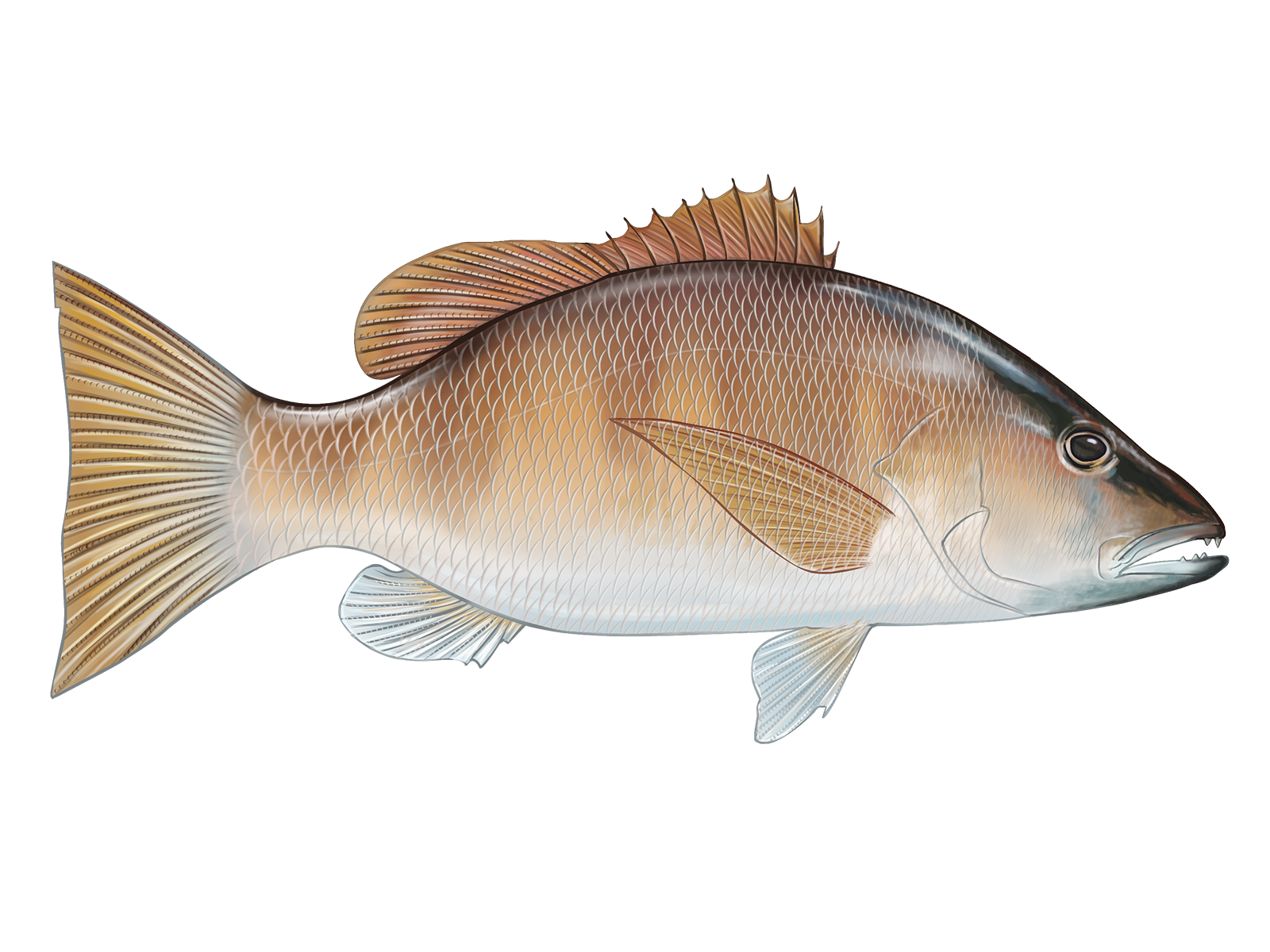 Grey Snapper
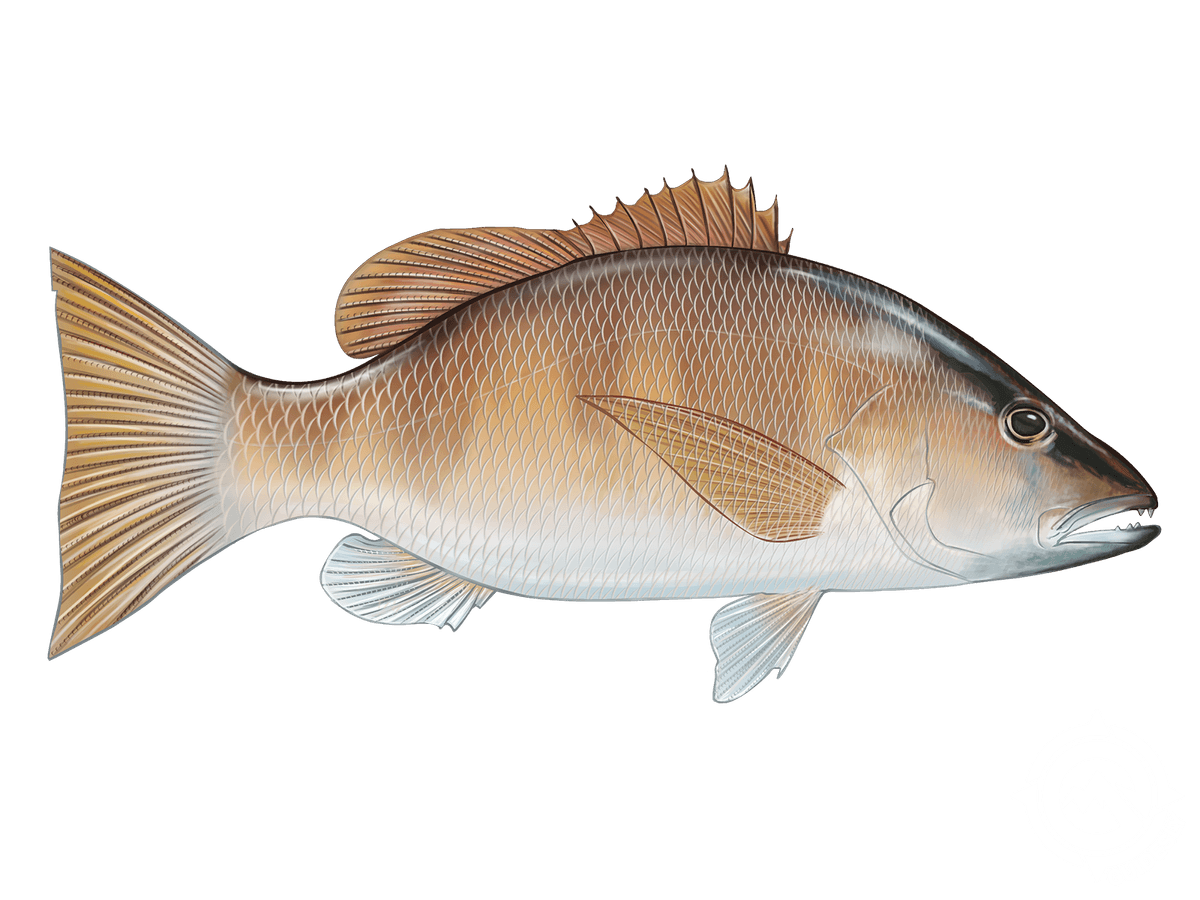
 Redfish
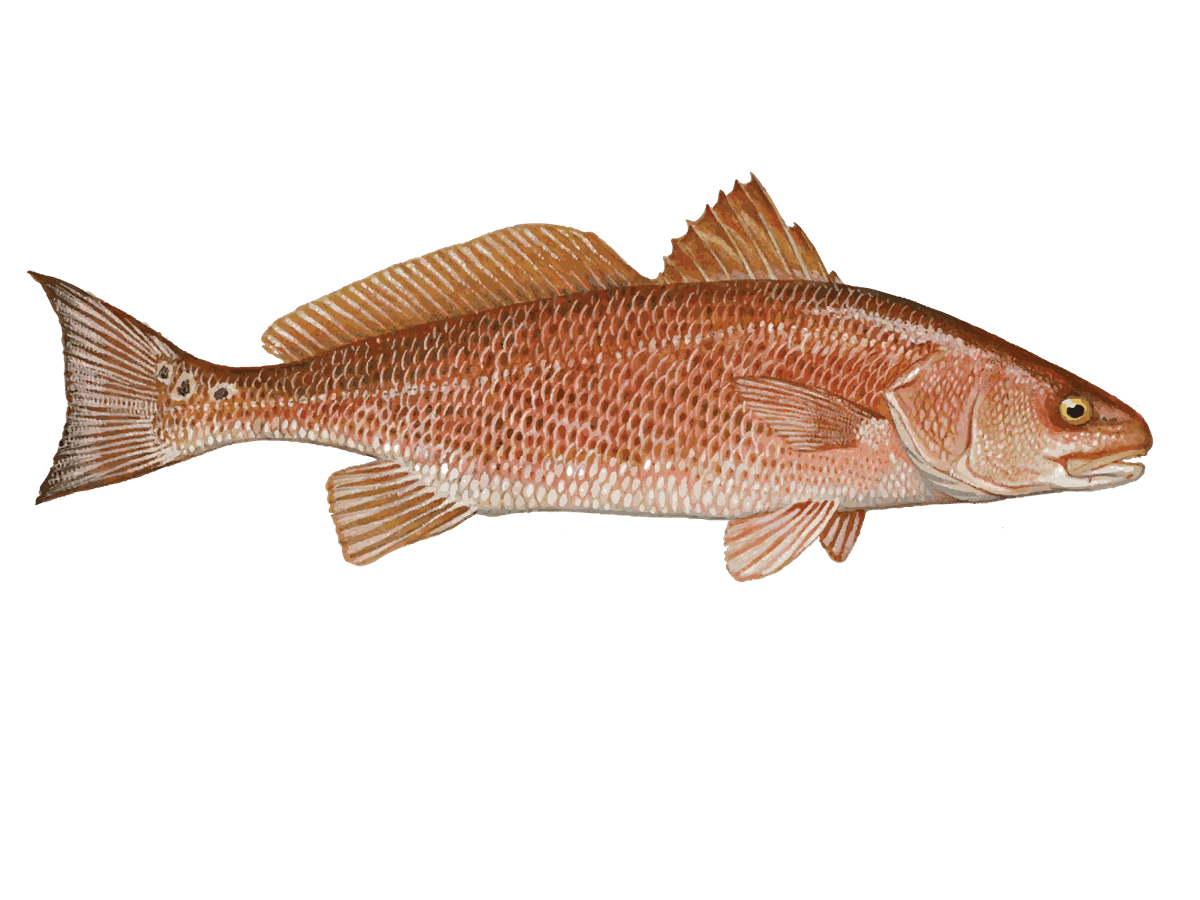
 Snook
Snook Spanish Mackerel
 Tarpon
- 10-hour private charter accommodates up to four anglers maximum
- Targets snook, redfish, tarpon using multiple fishing techniques
- All equipment, bait, and licenses included in charter package
Trip Pricing and Availabilities:
Trip pricing information is temporarily unavailable.
St Petersburg 10 Hour Inshore Fishing Charter
When you want to really dial in on St Petersburg's legendary inshore fishery, this 10-hour charter gives you the time to do it right. Sports Coast Inshore Charters runs this top-rated experience from mid-April through August, hitting the prime window when snook, redfish, tarpon, and mackerel are most active in our shallow waters. With just four anglers max, you'll have plenty of room to work and the captain's full attention as you target multiple species using light tackle techniques that make every fish feel like a monster.
What to Expect on the Water
This isn't your typical rushed half-day trip where you're checking your watch. Ten hours gives you the luxury of fishing multiple tide changes, exploring different flats and structure, and really getting dialed in on what's working. Your captain will adjust the game plan throughout the day based on conditions, tides, and what's biting. Morning might start with topwater action for snook around mangrove shorelines, then shift to deeper grass flats for redfish as the sun climbs higher. The extended time frame means you're not just hitting one or two spots – you're getting a comprehensive tour of St Pete's most productive inshore waters. Everything's included: rods, reels, tackle, bait, and licenses, so you just need to show up ready to fish.
Light Tackle Techniques
The beauty of inshore fishing around St Petersburg lies in the variety of approaches that work depending on conditions and target species. Your guide will have you throwing everything from topwater plugs and soft plastics to live bait under popping corks. Light spinning tackle keeps the fight sporting – a 25-inch redfish on 10-pound test will test your drag and your patience in the best possible way. Bottom fishing comes into play when targeting snapper around structure, while trolling covers water efficiently when searching for mackerel or tarpon. If conditions are right and you're up for it, fly fishing opportunities abound, especially for snook and redfish in skinny water. The captain reads the conditions and adjusts techniques accordingly, teaching you the nuances that separate good days from great ones.
Top Catches This Season
Spanish Mackerel show up in good numbers once water temperatures climb into the mid-70s, typically by late April in our area. These silver rockets hit fast-moving lures with authority and make screaming runs that'll wake up anyone dozing in the sun. They're perfect for getting kids or nervous first-timers hooked on fishing – fast action and excellent table fare. Look for them around grass flats and channel edges, especially when baitfish are thick.
Snook are the crown jewel of Florida inshore fishing, and St Petersburg's mangrove shorelines and dock lights hold some beauties. These ambush predators love structure and moving water, making them a thinking angler's fish. They're most active during the warmer months when this charter runs, and nothing beats the thrill of watching a big snook blow up on a topwater lure in two feet of water. Their distinctive black lateral line and golden flanks make them unmistakable, and their acrobatic fights keep you on your toes.
Grey Snapper, or mangrove snapper as locals call them, are year-round residents that really turn on during summer months. These clever fish require finesse and patience – they'll inspect your bait like marine biologists before deciding to bite. But when they do commit, they fight hard for their size and make outstanding table fare. Find them around any structure: docks, rocks, bridges, and mangrove roots.
Tarpon are the undisputed kings of inshore gamefish, and St Pete's waters host both juvenile and adult fish during the charter season. Juvenile tarpon in the 10-40 pound range provide world-class action on light tackle, jumping repeatedly and testing every knot in your rig. Adult fish over 100 pounds show up in summer and provide the fight of a lifetime. Even seasoned anglers get shaky when a big silver king rolls behind their bait.
Redfish, or red drum, are the most reliable performers in our inshore waters. These copper-colored bruisers inhabit grass flats, oyster bars, and shallow mangrove creeks year-round. Bull reds over 27 inches provide serious battles on light tackle, often making multiple runs before coming to the boat. Their distinctive black spots and bronze coloration make them one of the most beautiful inshore species, and they're renowned for their dogged, determined fights.
Time to Book Your Spot
At $1,200 for up to four anglers, this 10-hour adventure breaks down to just $300 per person when you fill the boat – that's exceptional value for a full day with a professional guide in some of Florida's most productive inshore waters. The season runs from April 15th through August 1st, covering the absolute best months for inshore action around St Petersburg. With deposits being non-refundable, you'll want to be sure of your dates, but the extended trip length and prime seasonal timing make this a customer favorite that books up quickly. Don't let another season slip by wondering what you missed – reserve your spot and experience why St Pete's inshore fishing keeps anglers coming back year after year.
Learn more about the species
Grey Snapper
Grey snapper, also called mangrove snapper, are smart little fighters that'll test your patience and skills. Most inshore fish run 10-14 inches and 1-2 pounds, with their greyish-red color and that dark eye stripe making them easy to spot. They hang around structure like docks, bridges, and oyster bars in 5-20 feet of water, always looking for an easy meal. These guys are active year-round in our warm waters, but they're most cooperative during warmer months when they move closer to shore. Anglers love them because they're scrappy fighters and excellent eating - sweet, white, flaky meat that's hard to beat. The trick with these smart fish is to let your bait sit still on the bottom near structure. They're opportunistic but cautious, so too much movement will spook them. Use live shrimp and be patient.
Redfish
Redfish are copper-colored beauties with distinctive black spots near their tails, and they're one of our most reliable inshore targets. Most slot fish run 18-27 inches, perfect for the table, while the big bulls can push 40+ inches and 30 pounds. They love super shallow water - grass flats, oyster bars, mangrove shorelines - often in just 1-4 feet where you can see their backs. Spring through early summer is fantastic when they're actively feeding and easier to spot on the flats. What makes redfish special is they're great fighters, excellent eating, and you can sight-fish them in shallow water. They have sweet, mild meat that's perfect blackened or grilled. Here's my go-to method: look for tailing fish on low tide over grass flats, then cast a gold spoon or live shrimp just ahead of where they're heading - not right on top of them.
Snook
Snook are the ultimate inshore predator with that distinctive black lateral line and big mouth perfect for ambushing prey. Most run 18-28 inches around here, though the big females can push 40 inches and really bend your rod. They love structure - mangroves, docks, bridges, oyster bars - anywhere they can hide and ambush passing baitfish. April through August is perfect timing since they're active and feeding hard before spawning season. What gets people hooked on snook fishing is their explosive strikes and acrobatic fights in shallow water. They're also excellent table fare with sweet, white meat. Here's a local trick: work your lure or bait right along the mangrove edge on moving water, but be ready - when they hit, they'll try to run straight back into the roots to break you off.
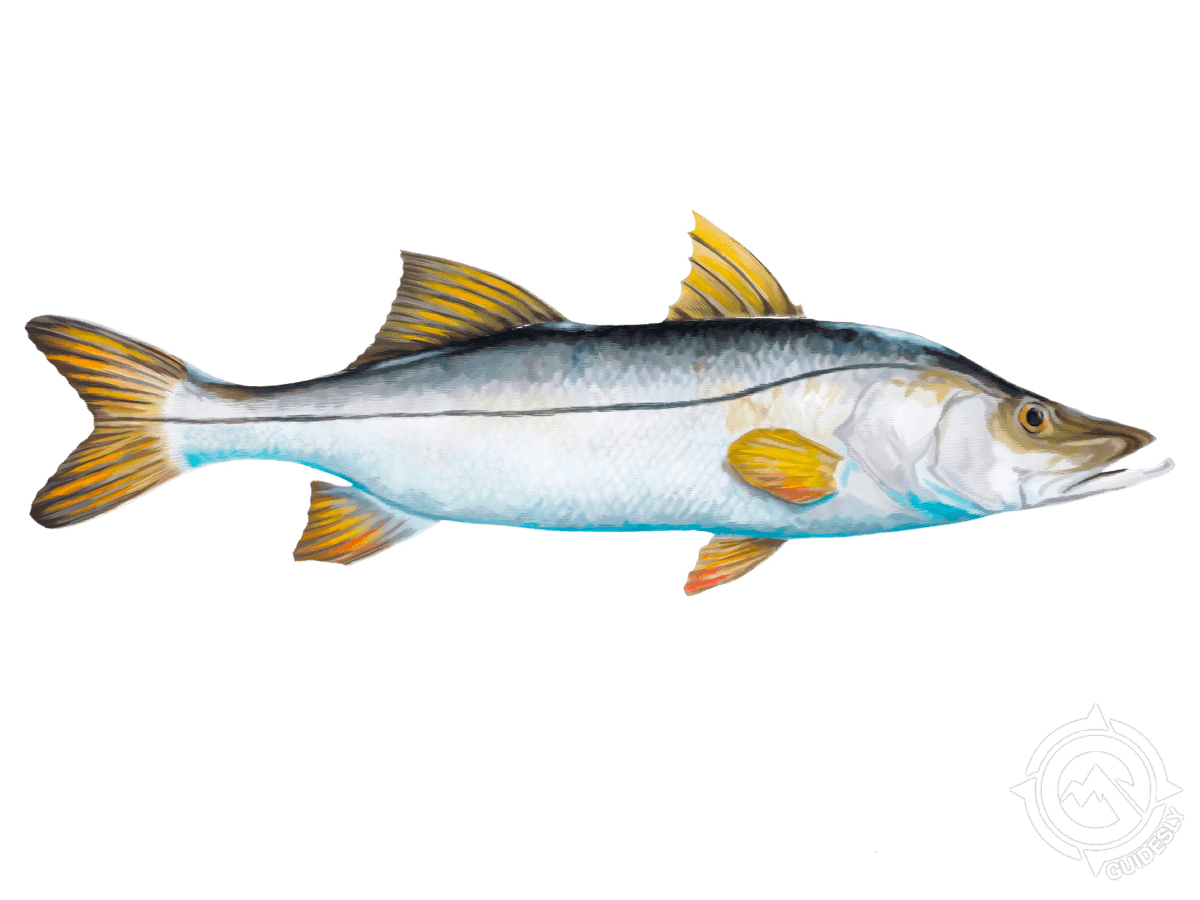
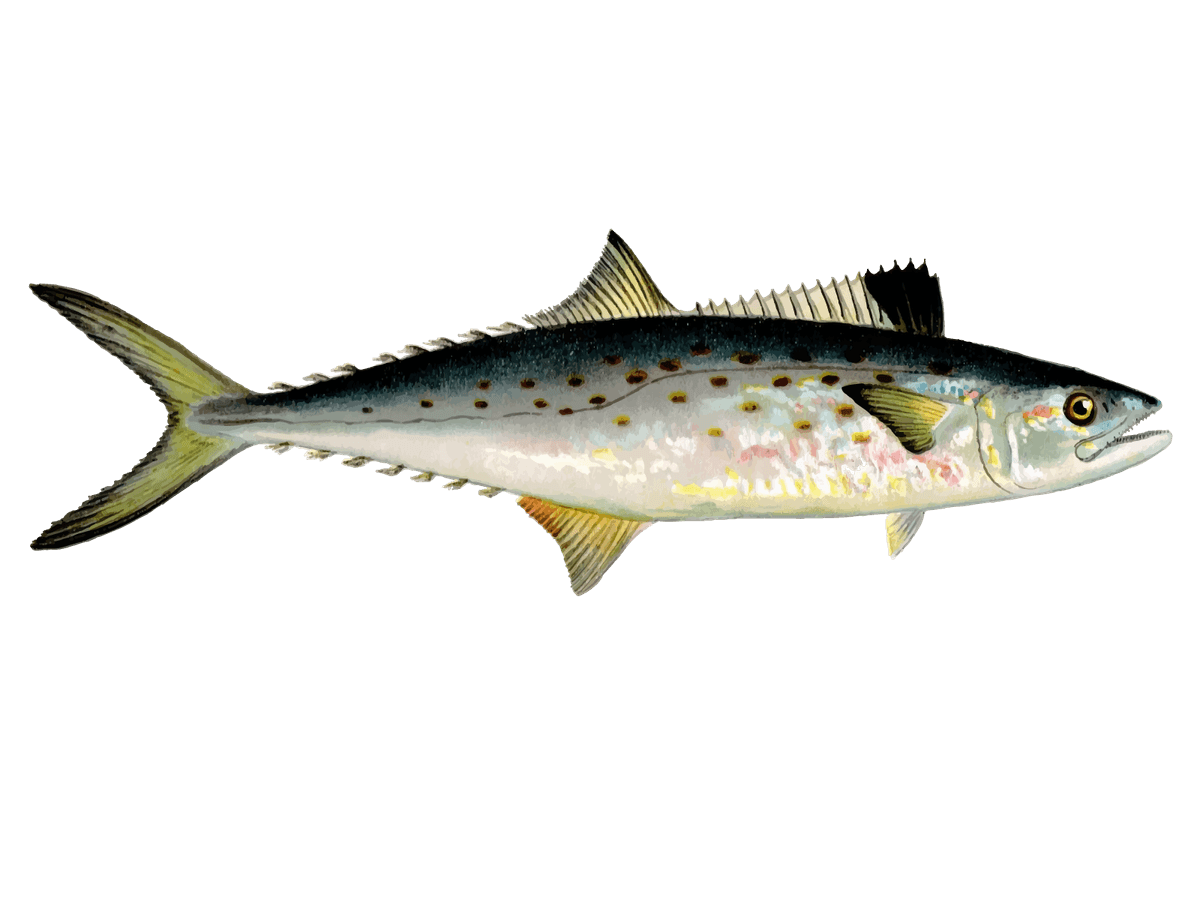
Spanish Mackerel
Spanish mackerel are streamlined silver rockets with yellowish spots that'll give you a real workout on light tackle. These fast swimmers typically run 1-2 feet long and weigh 2-3 pounds, though bigger ones show up offshore. Around St Pete, they cruise near-surface waters in large schools, especially around structure like bridges and piers. Spring through early summer is prime time when they're feeding heavily on baitfish. What makes them fun to target is their speed - they hit hard and make blistering runs that'll test your drag. Plus they're fantastic eating with mild, flaky white meat that's perfect grilled or blackened. Pro tip: when you see diving birds working bait, get there fast and troll small spoons or jigs through the school - but don't run right into them or you'll spook the whole bunch.
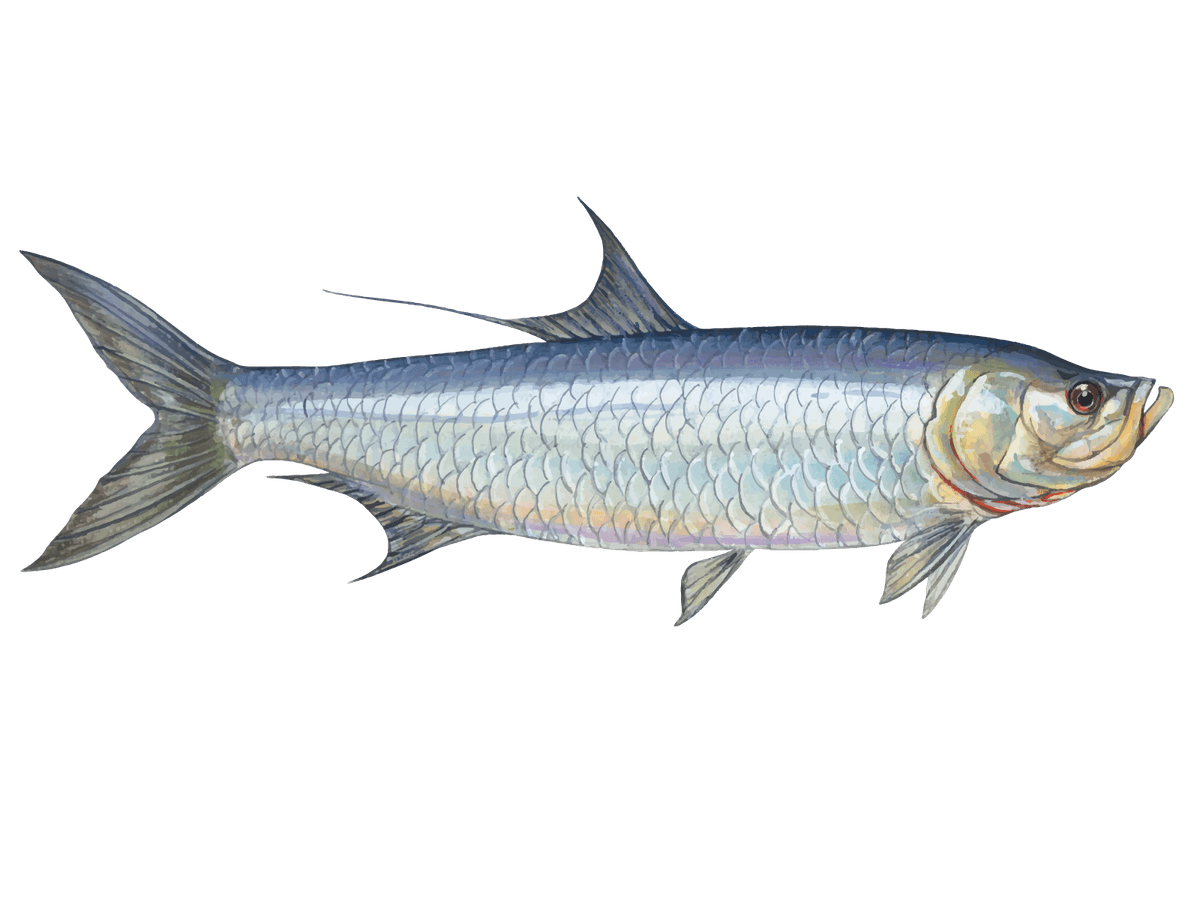
Tarpon
Tarpon are the ultimate bucket-list fish - silver giants that can reach 6 feet and over 100 pounds, famous for their spectacular jumps when hooked. Around St Pete, we see them in shallow bays, channels, and near bridges where they roll and gulp air at the surface. Late spring through summer is prime time when they're moving through on their migration routes. What makes tarpon fishing so special isn't the eating - most get released - but the pure adrenaline of hooking into something that can jump 10 feet out of the water. These prehistoric fish have been around 125 million years and they fight like it. The key is staying calm when one jumps - keep your rod tip down and don't try to muscle them. They'll wear themselves out with those acrobatics, but you need patience and a smooth drag to land one of these beauties.
About the Sports Coast Inshore Charters
%2F%2Fusers%2Fcd7f057a-4f6e-440b-a115-9f6203d0cdc7%2Fvehicle_picture%2F67891147_108805460463655_970830907189493760_n-mllxwxp2.jpg&w=1200&q=75)
Vehicle Guest Capacity: 4
Manufacturer Name: Yamaha
Maximum Cruising Speed: 45
Number of Engines: 1
Horsepower per Engine: 250